
Last updated November 23, 2026
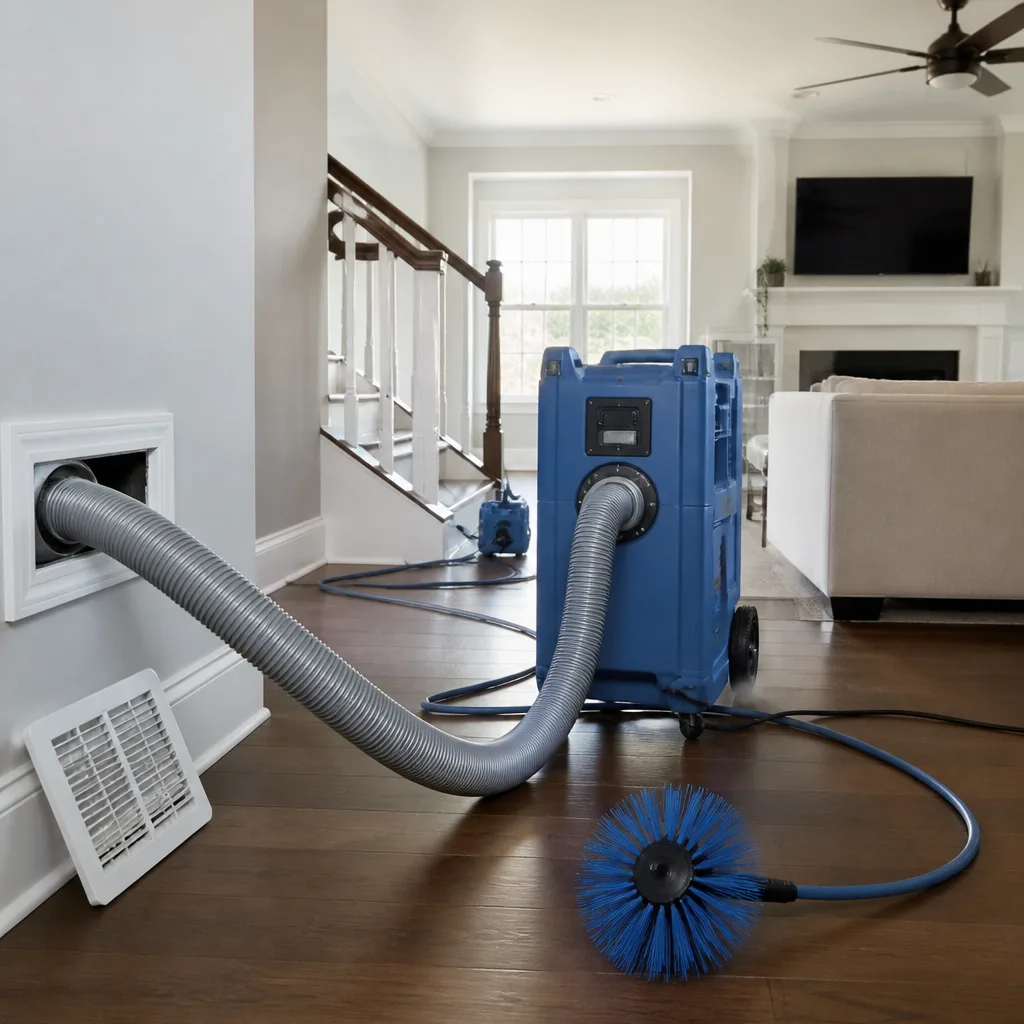 Whole-home duct cleaning
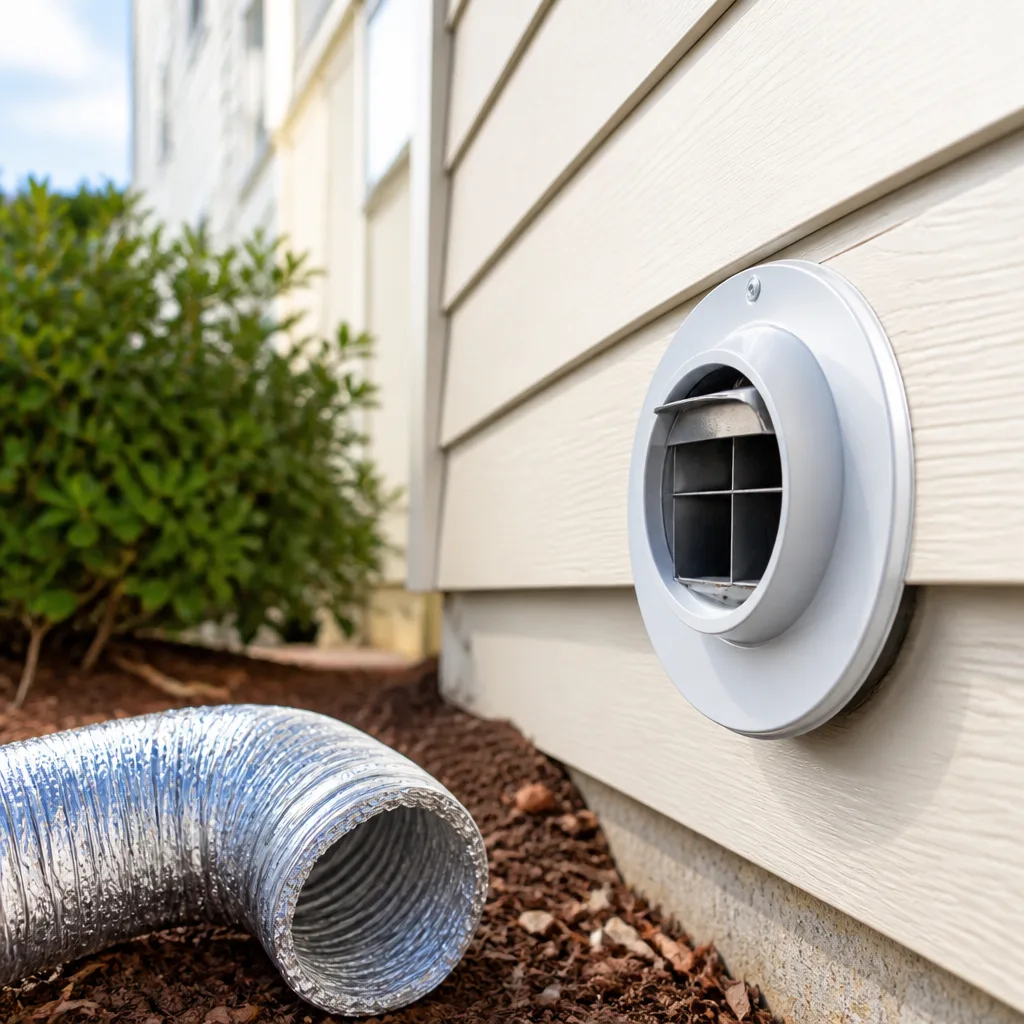 Dryer vent cleaning
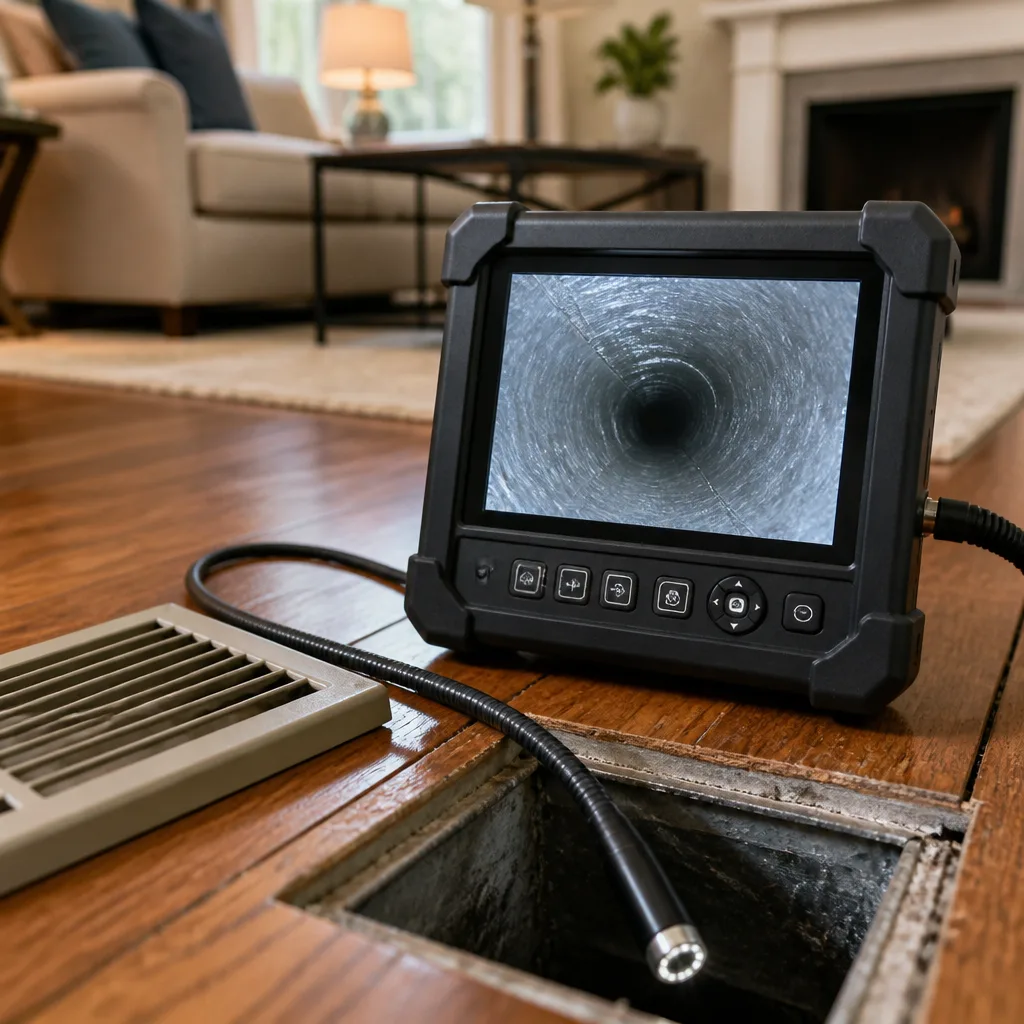 Camera inspection
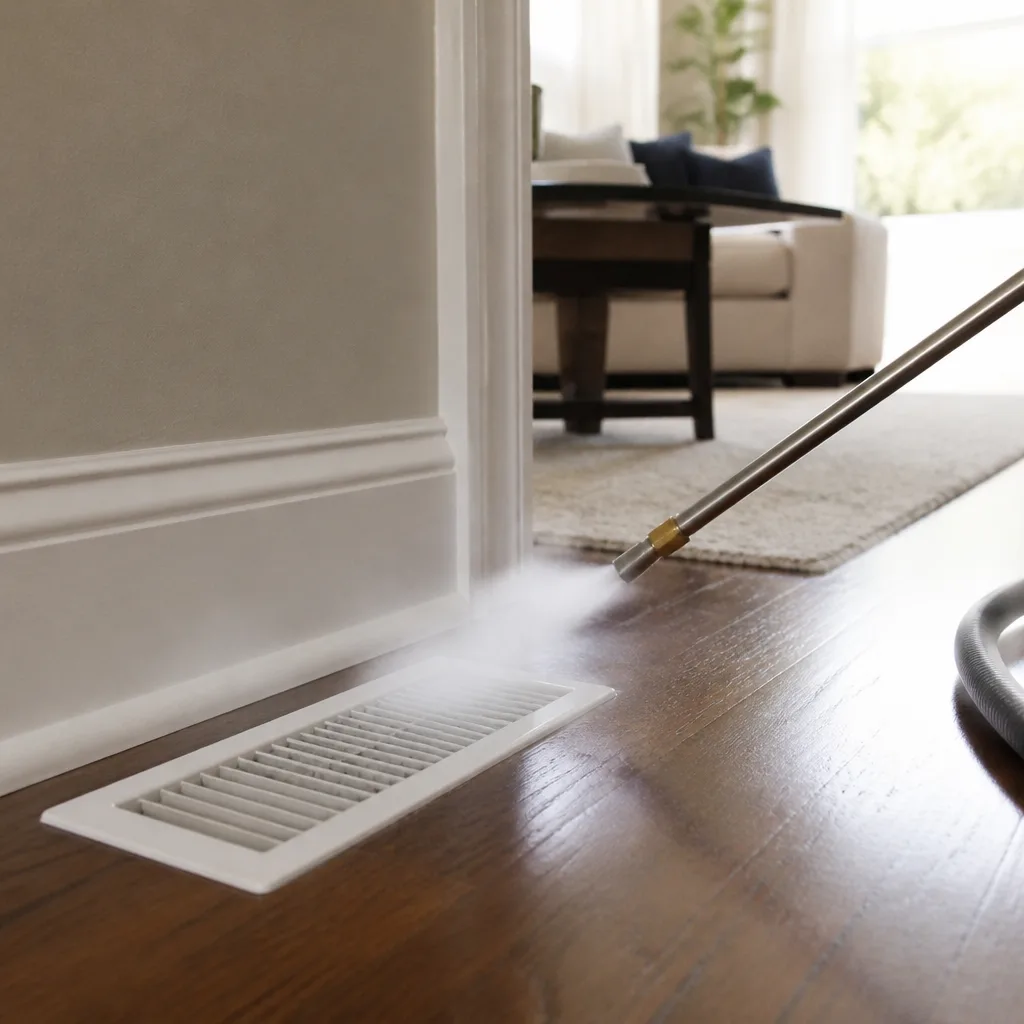 Sanitizing & deodorizing
Whole-system duct and dryer vent check with before-and-after photos - you see exactly what came out of your vents
That "$99 whole-house special" is a bait ad - the real number appears once they are in your hallway, or the "clean" is a shop-vac at the register. We photograph the inside of your ducts before and after instead.
Air Duct Cleaning Maintenance Schedule: What to Do and When
The most quoted number in this trade is “every three to five years,” and it’s the number we trust least. That guideline describes an average household, and averages don’t live in houses. A home with two shedding dogs and ductwork from the late seventies is not the same system as a new build with no pets and a well-sealed return. Treating them the same is how people end up either wasting money on unnecessary cleaning or breathing through a system that reloaded with dust two winters ago. What follows is a schedule built from variables instead of a calendar: what changes the interval in a Kent home, what you can do yourself between visits, and what a technician should document so the next cleaning starts with evidence rather than guesswork.
Quick Answer
Most Kent homes should have ducts professionally cleaned every three to five years, but that interval shortens to every two to three years with pets, smokers, recent renovation, or allergy sufferers in the house, and to as often as annually in heavy-shedding or high-occupancy homes. Between professional cleanings, change filters every one to three months, vacuum registers monthly, and inspect for moisture each October before the wet season sets in. The right schedule is set by the conditions inside your ductwork, not by a fixed number of years.
Styles & brands we work with
- Whole-home duct cleaning
- Dryer vent cleaning
- Camera inspection
- Sanitizing & deodorizing
Table of Contents
- Why the “3 to 5 Years” Rule Doesn’t Fit Every Kent Home
- The Variable-Interval Framework: What Actually Moves Your Date
- Your Monthly and Seasonal Maintenance Checklist
- How Filter Choice and MERV Rating Change Everything
- What a Technician Should Document at Every Cleaning
- Kent’s Wet Season: The October to March Moisture Window
- The Parts of Your System With Their Own Schedules
- After a Renovation or Move-In: The Reset Cleaning
Why the “3 to 5 Years” Rule Doesn’t Fit Every Kent Home
The three-to-five-year figure is widely repeated as if it were a code requirement. It isn’t. It originated as a rough general recommendation for households with no unusual dust load, and it gets applied to every house regardless of what’s actually inside the ducts. Two identical floor plans on the same Kent street can need very different schedules, because what matters is what goes into the return air and what the system does with it.
Duct contamination is cumulative. Every hour the furnace fan runs, air moves through the return, past the filter, and into the supply trunk. Whatever the filter misses settles on the galvanized steel or flex liner. Pet dander, skin cells, cooking aerosol, candle soot, and construction dust all settle at different rates. A system that stays dry and filtered may stay reasonably clean for six years. The same system in a home with three cats and a filter changed twice a year will load its return plenum in eighteen months.
Duct material and age matter just as much. Older rigid duct in Kent homes, particularly in neighborhoods with housing from the sixties through the eighties, often has taped or mastic joints that have dried and opened. Gaps at those joints pull attic or crawlspace air into the system, so the ducts aren’t just collecting dust, they’re importing it. Flex duct that has sagged or been crushed behind a joist collects debris on the low side of every run. Neither problem shows up in a calendar.
Houses around Kent vary in ways that shape how a system loads: the older housing stock near downtown, the larger newer builds toward the East Hill, and the rentals and multi-unit properties in between. A property manager overseeing several units needs a schedule that accounts for turnover cleanings and tenant pet policies, not a single blanket rule. The practical point is simple. Start with the general interval, then adjust it based on the factors below.
The Variable-Interval Framework: What Actually Moves Your Date
Instead of asking “when was it last cleaned,” ask which of these risk factors apply to your home. Each one shortens the interval. Three or more together and you’re in the annual-to-biennial range.
- Pets: One shedding dog or cat pushes you toward every two to three years. Two or more, especially double-coated breeds, pushes toward an annual cleaning. Dander is sticky and bonds to duct walls.
- Smokers in the home: Tobacco smoke leaves a residue that coats duct surfaces and holds odor. Plan on an annual cleaning and pair it with air quality work rather than cleaning alone.
- Recent renovation: Drywall dust, sawdust, and insulation fibers are the heaviest loads a residential duct system will ever see. See the reset-cleaning section below.
- Allergy or respiratory sufferers: If someone in the home reacts to dust or pollen indoors, treat cleaning as part of their environment management and lean toward the shorter interval.
- Duct age and material: Ducts older than roughly thirty years, or any flex duct that has been crushed or poorly supported, warrant a sooner inspection regardless of the last cleaning date.
- Occupancy density: More people means more skin cells, more cooking, and more moisture. A five-person household loads a system faster than a two-person one in the same square footage.
- Filter discipline: A homeowner who changes filters on schedule can stretch the interval. One who changes it when they remember cannot.
A practical way to use this: start from three to five years as a baseline, subtract roughly a year for each strong risk factor, and treat two years as your floor unless a technician finds a specific problem. If you’re not sure where you land, an inspection answers it faster than speculation. We work with air duct cleaning equipment that lets us show you what’s actually in the system before you commit to anything.
Your Monthly and Seasonal Maintenance Checklist
The work you do between professional cleanings has more influence on your interval than most homeowners realize. These tasks are simple, take minutes, and directly reduce how fast the ducts reload.
Monthly Tasks
- Change or check the furnace filter. Hold it up to a light. If you can’t see through it, it’s done. In a pet household, monthly is realistic.
- Vacuum the return registers. The return grille is where dust enters the system. A brush attachment and thirty seconds per register keeps the plenum from becoming a settling tank.
- Wipe the supply registers. Dust streaks on the vanes show you the supply side is moving dirty air. Clean them so you can spot changes later.
- Look for moisture. A quick visual pass around registers, the air handler, and any visible duct. Damp spots or rust mean stop and inspect.
Seasonal Tasks
- Before heating season starts: Confirm the filter, check the air handler cabinet for a clean seal, and make sure return grilles aren’t blocked by furniture or rugs.
- Each October: Do the moisture inspection described in the wet-season section below. In Kent, this is the single most valuable thing you can do on your own.
- After any renovation or major deep clean: Vacuum registers and change the filter, then consider whether a professional cleaning is due sooner than your normal interval.
None of this replaces a professional cleaning, and it’s important to be clear about that. Register vacuuming doesn’t reach the trunk line or the plenum. But it slows the load, and it lets you notice changes earlier, which is worth more than it sounds.
How Filter Choice and MERV Rating Change Everything
Your filter is the first line of defense and its rating determines how much reaches the ducts. Too low a rating and dust sails past. Too high a rating on an undersized system and you can choke airflow, which creates its own problems with pressure and blower wear. The right choice sits between those extremes, and it’s a genuine part of the maintenance plan.
MERV ratings describe a filter’s ability to capture particles of a given size. Higher MERV captures more, but increases resistance to airflow. A standard furnace blower has a design range for that resistance. The mistake we see most often in Kent homes is a homeowner buying the highest-MERV filter on the shelf because it sounds better, then wondering why the house heats unevenly. The system is starved for air.
The better approach is to match the filter to the system and to the load. Homes with pets or allergy sufferers benefit from a higher rating, provided the blower can handle it. Homes with older or restrictive systems are often better served by a moderate filter changed frequently than an aggressive one changed rarely.
- Pet or allergy households: A higher-MERV pleated filter, changed on a strict schedule, reduces the particulate load reaching the ducts.
- Older or restrictive systems: A moderate-rated filter changed monthly often outperforms a high-MERV filter that’s starved for airflow.
- Where filtration alone isn’t enough: A whole-home purifier or media cabinet, integrated at the point of service, keeps the duct system cleaner as a side effect. We work with the Honeywell and Aprilaire product lines for exactly this, and it’s a conversation worth having at the same time as a cleaning rather than as an afterthought.
Filter discipline is the part of maintenance that costs the least and does the most. If you do nothing else from this guide, get the filter right and change it on time.
What a Technician Should Document at Every Cleaning
Here’s where most schedules break down: each cleaning starts from zero, with no record of what the last one found. If you don’t have documentation, you can’t tell whether your interval is too long or too short. Ask what will be recorded before the work starts. We use Rotobrush and Nikro systems, which have HEPA-level containment, and part of what those tools enable is a clear before-and-after record rather than a verbal all-done.
A thorough document set at each cleaning includes:
- Photographs of before and after, per system. Not a single glamour shot. Supply and return, plenum, and any visible problems.
- Measured dust load notes. The technician’s written description of what they found where. Light, moderate, heavy, and by region of the system.
- Condition of duct joints and seals. Gaps, failing tape, crushed flex, disconnected runs.
- Contamination type. Dust, pet dander, soot, moisture staining, or biological growth. The classification drives the recommendation.
- Moisture readings and observations. Especially valuable in a wet climate.
- Filter type and MERV rating, plus the date. So the next visit knows what was in the system and how fast it loaded.
- Findings, not just a summary. What was corrected on the spot and what needs follow-up.
This is where repair and sealing belong. When an inspection turns up a disconnected run or a gap at a joint, the value of the visit is halting the infiltration, not just noting it. That’s why duct repair and sealing sit in the same scope as cleaning. We fix what we find rather than handing you a punch list and a recommendation to book someone else. If your system has gaps, fixing them changes your interval going forward, and the documentation proves it.
Kent’s Wet Season: The October to March Moisture Window
Duct contamination is one problem. Duct moisture is a different one, and it’s the one that turns a routine cleaning into a bigger job. From October through March, the region runs wet. Rain is frequent, humidity stays high, and crawlspaces and attics hold moisture that dry-summer months let go of. This is the window when moisture intrusion should be caught, before it becomes a mold event.
Where moisture gets in around ducts:
- Crawlspace and attic runs. Unsealed or poorly insulated duct in a damp crawlspace condenses moisture on the cold outer surface during heating season.
- Failed duct seals. A gap at a joint lets humid outside air into the return, where it condenses on cold duct interiors.
- Air handler condensate. A clogged or slow condensate drain keeps the cabinet and plenum damp.
- Roof and envelope leaks. Water that reaches duct insulation in an attic creates a wet pocket the system then blows through.
The practical routine is a quick October inspection: look for rust at registers, water stains on visible duct insulation, condensation on cold surfaces, and any musty smell when the system starts up. Do it before the wet season hits full stride. If you find any of it, get a professional inspection, because damp duct interiors support biological growth that cleaning alone won’t resolve. That’s why sanitizing sits alongside cleaning in our scope. It’s addressing the post-moisture condition rather than the dust. In Kent, this October check is the highest-value habit in the entire schedule.
The Parts of Your System With Their Own Schedules
Ductwork isn’t the only component running on a clock. Two others deserve their own line items on your maintenance calendar, and they’re often neglected because they’re out of sight.
Dryer Vent Cleaning
A clogged dryer vent is a leading cause of residential fires, and lint accumulation in the vent run is the fuel. It’s also the maintenance item most homeowners skip entirely. Clean the lint trap after every load. Have the vent run cleaned annually or sooner if you notice longer dry times or a hot dryer cabinet. The duct cleaner who treats this as a checkbox is doing you a disservice. Treat it as its own scheduled service, with its own record. We list dryer vent cleaning as a dedicated offering for that reason.
HVAC Cleaning
The air handler, evaporator coil, and blower wheel sit at the center of the system and collect dust and biological growth as certainly as the ducts. A blower wheel caked with dust moves less air and works harder. A coil matted with debris loses capacity. Plan on HVAC cleaning when you clean the ducts, or at the same interval at minimum. Keeping the coil and blower clean extends the life of the equipment and keeps the air your system moves at a consistent quality.
The Maintenance Calendar at a Glance
- Monthly: Filter check and change as needed, register vacuuming, visual moisture check.
- Annually: Dryer vent cleaning, pre-heating-season filter and seal check.
- Each October: Moisture inspection before the wet season.
- Every 3 to 5 years, shortened by risk factors: Full air duct cleaning plus HVAC cleaning, with documentation on file.
- After renovation or move-in: Reset cleaning as described below.
The right blend of all of these is one call, complete job. Separately they each matter; together they cover the whole duct ecosystem that most homeowners never see. Kent Air Duct Cleaning Pros handles all five services so you’re not coordinating multiple providers. Our technicians have up to 13 years of experience with this equipment, and the difference between a system-wide approach and a single-service visit shows in what the documentation records.
After a Renovation or Move-In: The Reset Cleaning
A renovation pushes so much dust into the duct system that it resets the clock, regardless of when the last cleaning was. Drywall dust is fine, abrasive, and travels. It coats the plenum first and works downstream. Insulation fibers linger. If the work was done with the HVAC running at any point, the system pulled all of it in. This is true whether you’re in an older Kent home or a newer build toward the East Hill.
The reset-cleaning sequence:
- Seal or cover supply and return registers during demolitions and drywall work. This is the single best preventive step.
- Change the filter the moment the work is done. You’ll likely be changing it again shortly afterward.
- Book a professional cleaning before you fully move into the space. Furniture and daily life make it harder to clear the house for the visit.
- Have the technician document starting conditions. Fresh cleaning plus a fresh baseline gives you a clean comparison going forward.
- Sanitize if the work involved moisture or the property has been vacant. Addressing the condition, not just the dust, is the point.
A move-in is a similar reset. You don’t know the previous occupants’ pet situation, smoking, or filter habits, so start from a known condition. We hear this from property managers around Kent repeatedly: turnover is exactly the moment a system’s history resets, so a documented baseline at handover is a real management asset.
Common Mistakes to Avoid
- Relying on a fixed number of years. The three-to-five-year default ignores pets, occupancy, and duct age. Use the variable framework and adjust.
- Chasing the aggressive filter without checking airflow. A high-MERV filter on a system that can’t handle the resistance starves the blower and can create uneven temperatures. Match the filter to the system.
- Skipping the dryer vent. It’s the highest-stakes maintenance item in the house and the most commonly ignored in Kent. Schedule it annually, not as an upsell.
- Ignoring the October moisture check. In a wet-season climate, a moisture problem found in October is a cleaning. One found in February is often more than that.
- Not asking for documentation. A cleaning with no photos or load notes has no value for setting the next interval. Ask before the work starts.
- Cleaning the ducts but leaving the HVAC coil and blower. The system’s center holds contamination too. Keep the scope whole.
- Letting a contractor clean with shop-vac gear. Consumer equipment can’t reach the ductwork or contain what it loosens. Professional-grade equipment is not optional for a real cleaning, which is why we use Rotobrush, Nikro, and Abatement Technologies systems.
See the difference
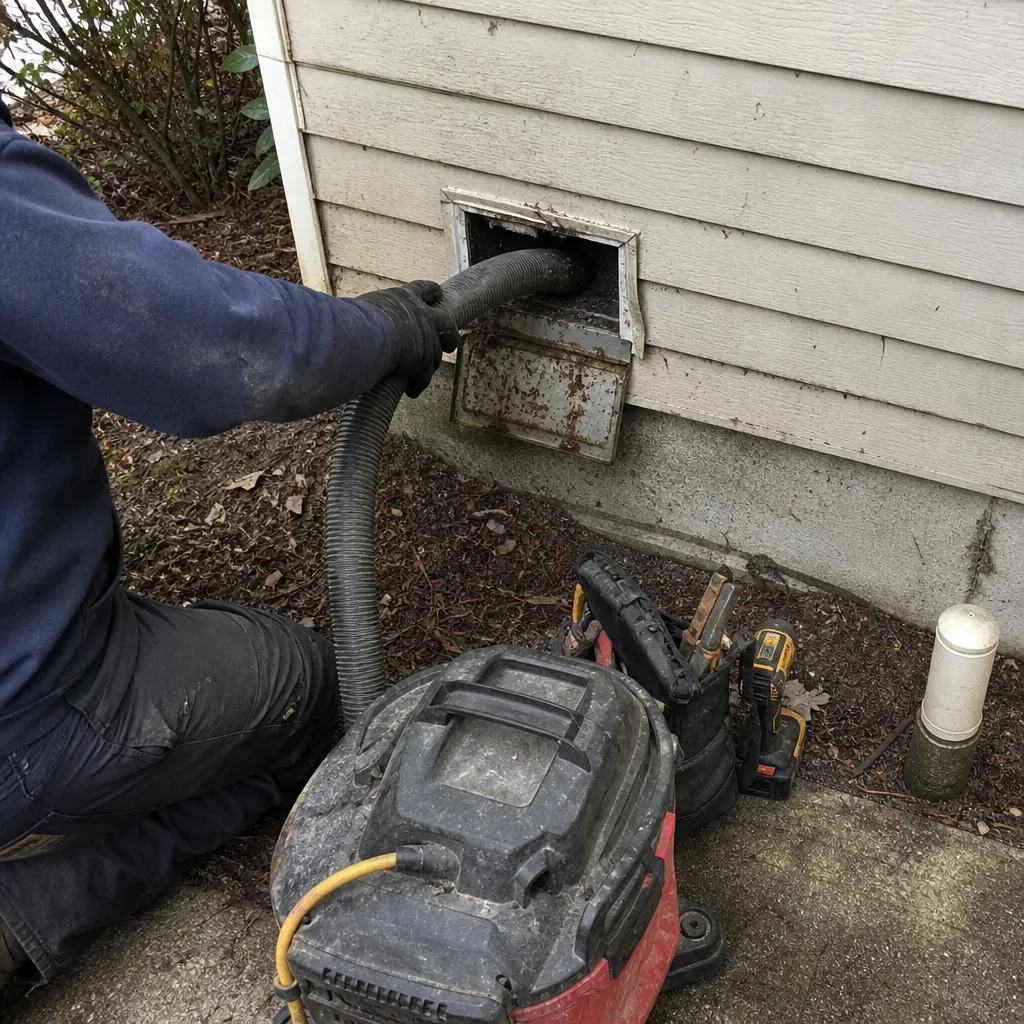 Before
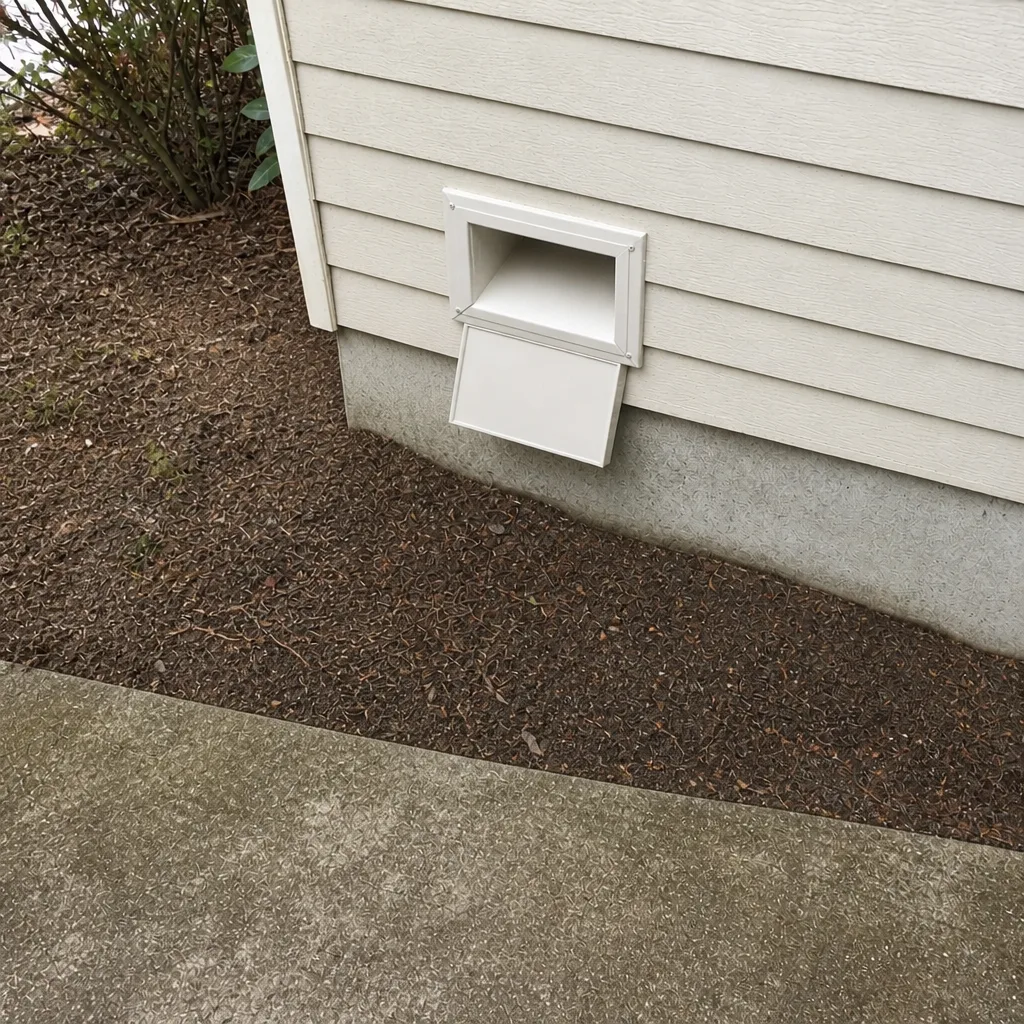 After
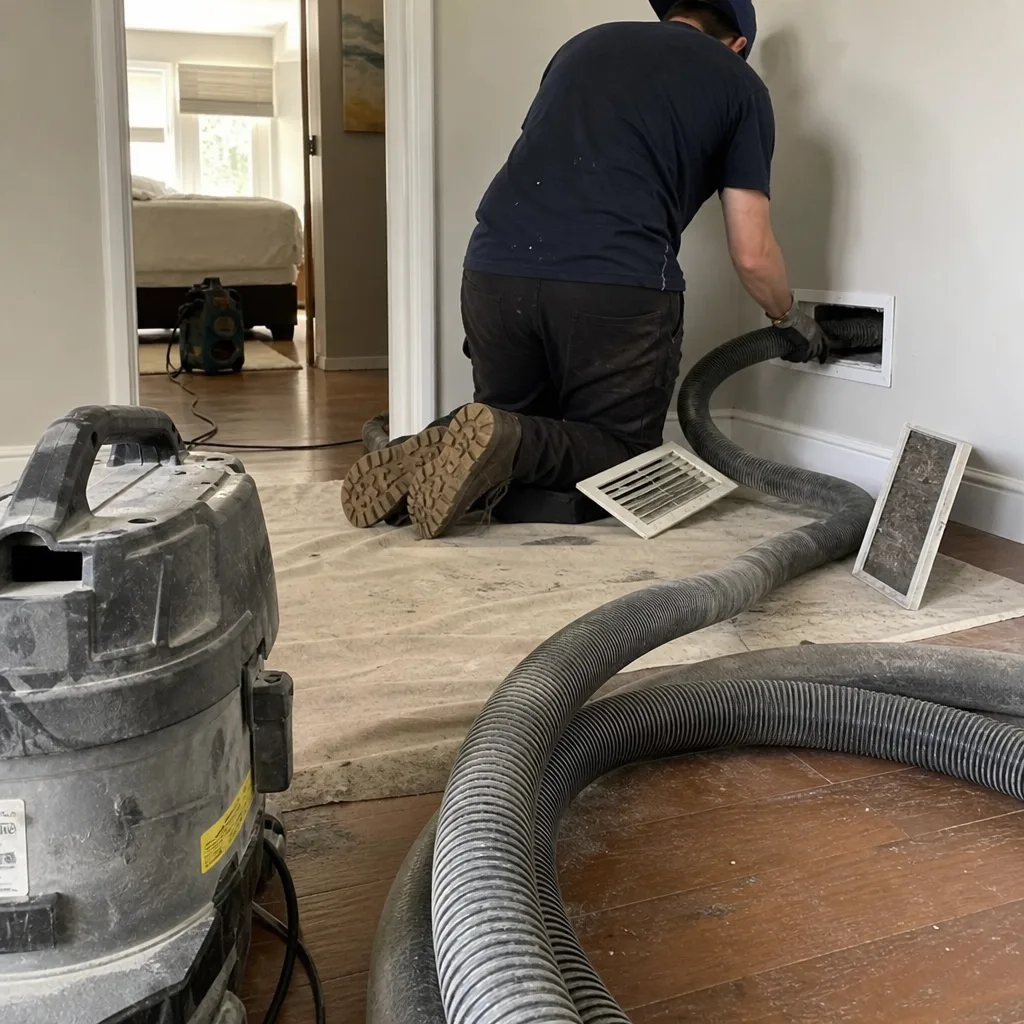 Before
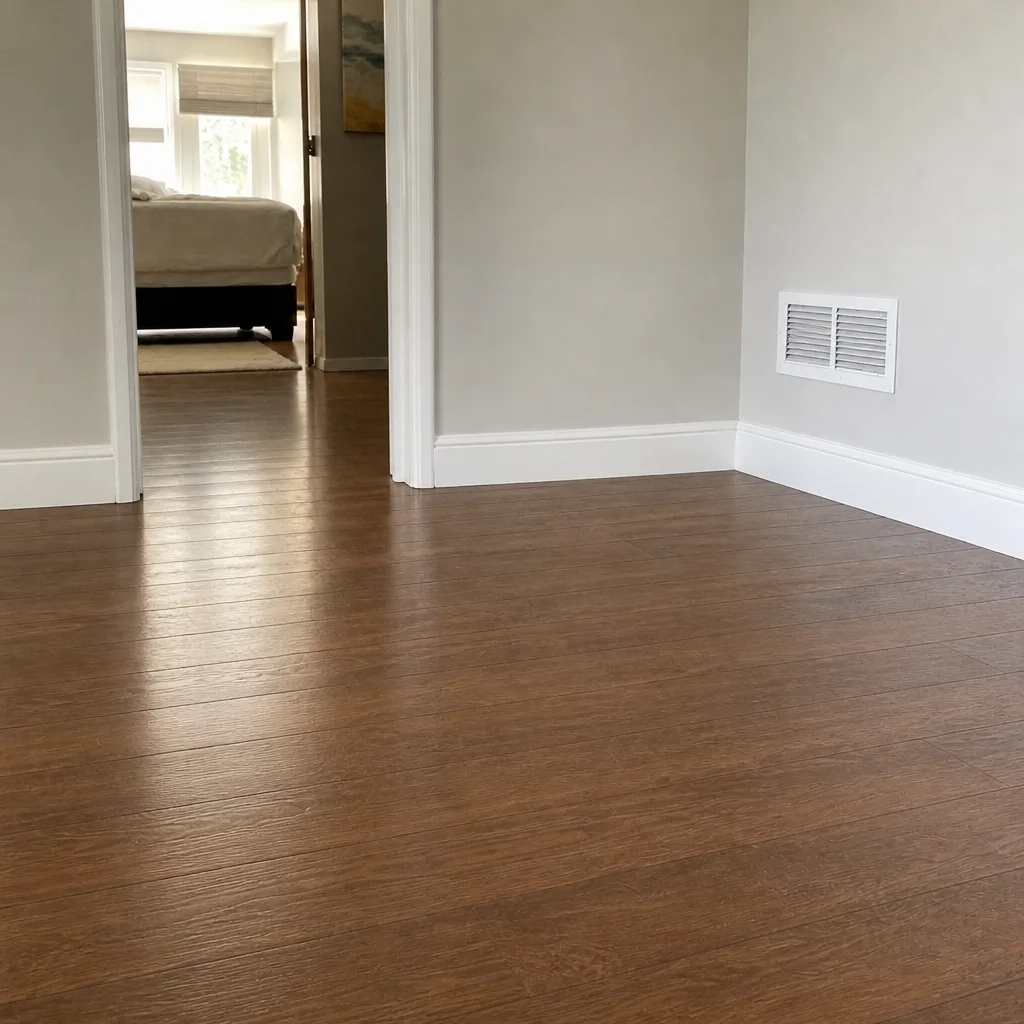 After
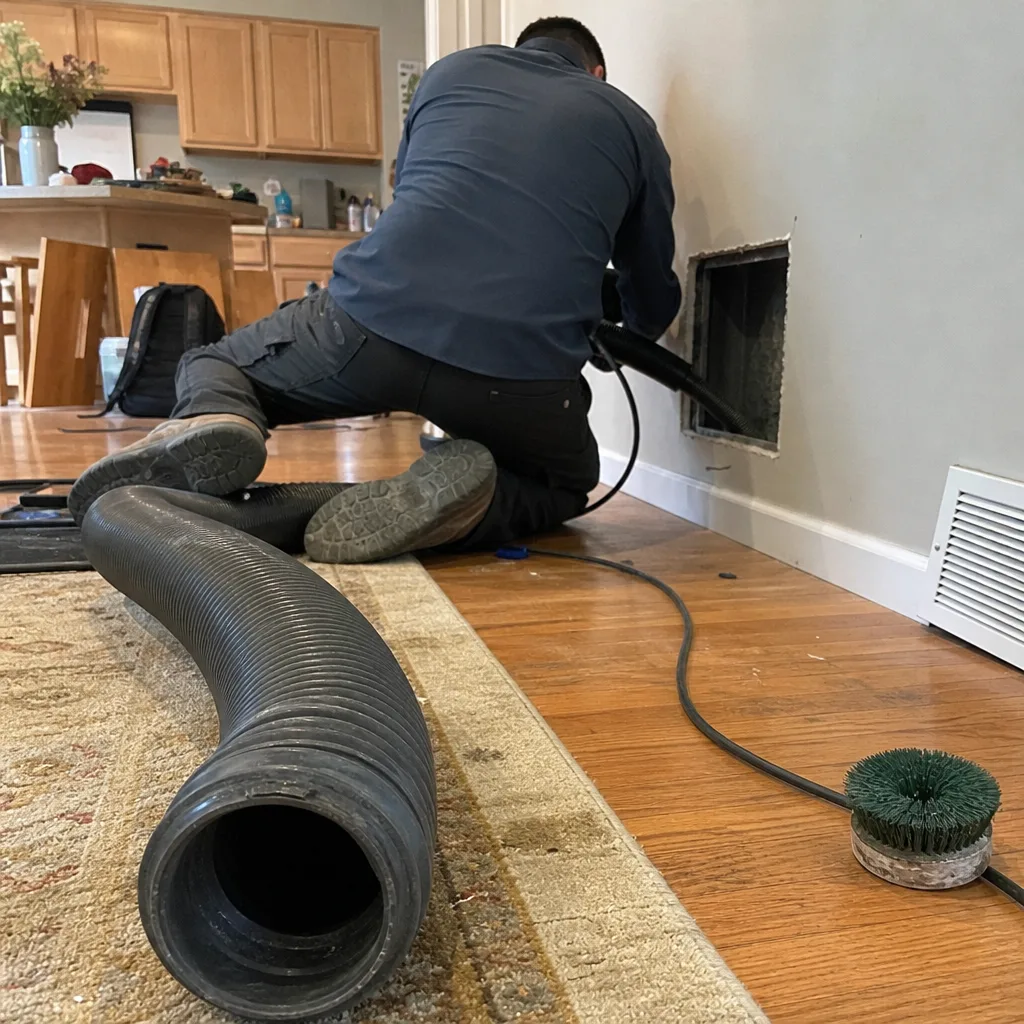 Before
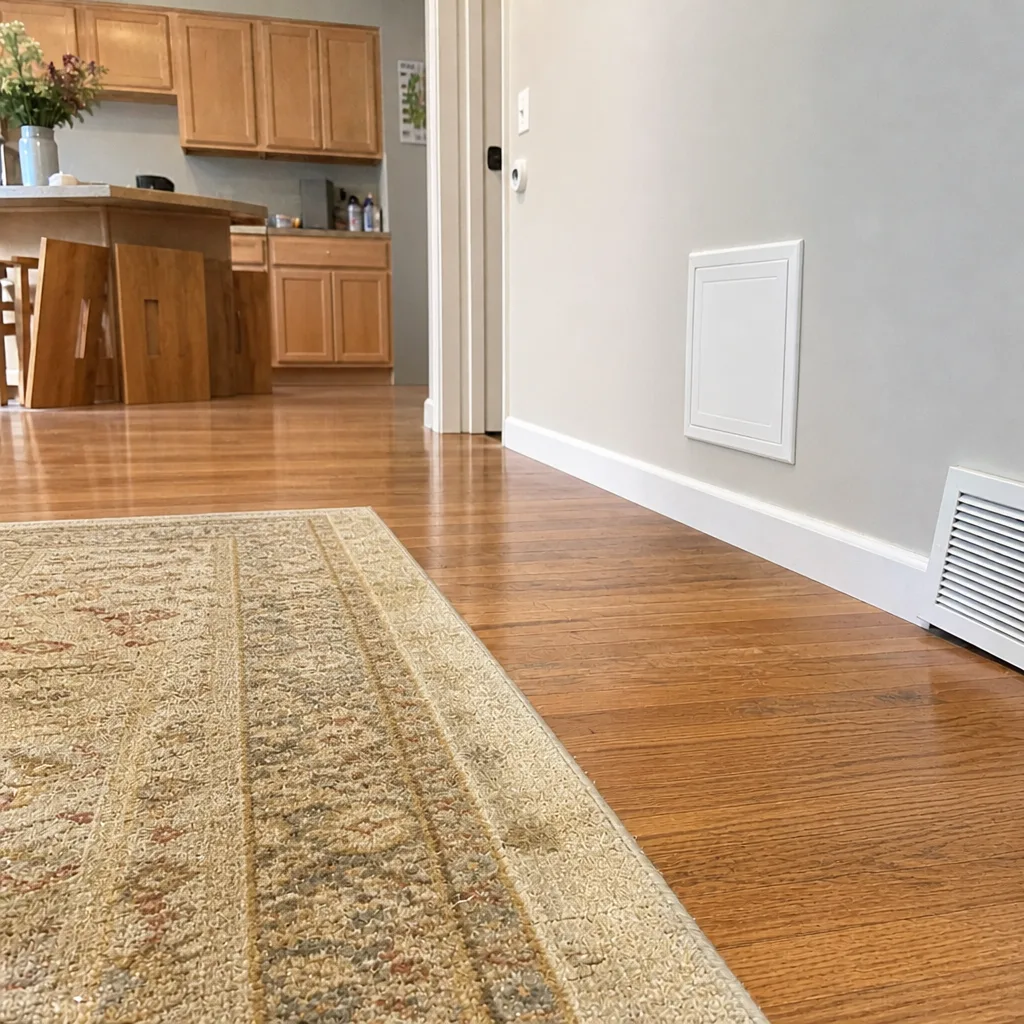 After
When to Call a Professional
Call for a professional inspection when you notice dust blowing from registers right after a filter change, visible streaking on supply vanes, a musty smell when the system starts, or any sign of moisture in or around ductwork. Book a cleaning when your interval has come due under the framework above, after a renovation, or at a move-in. Book a dryer vent cleaning on an annual schedule or immediately if dry times have lengthened. If you find rust or condensation during your October check, stop and get it inspected, because a moisture source has to be fixed before cleaning means anything. Call (855) 550-7709 for a free estimate. We answer 24/7. Fast dispatch from 7am to 7pm, Sunday through Friday.
Frequently Asked Questions
Most Kent homes land on every three to five years, shortened to every two to three years with pets, smokers, allergy sufferers, or recent renovation, and to annually in high-load homes. The right interval is set by the risk factors in your home, not a calendar. Call (855) 550-7709 for a free estimate and a recommendation based on your system.
We price per job by written estimate after looking at the system, so the number reflects what your ducts actually need rather than a flat retail figure. That protects you from the pattern this industry is known for, where a low teaser price becomes a far larger invoice on site. One flat price per system, agreed before work starts. Call (855) 550-7709 for an exact quote, and estimates are free.
Low quotes usually mean a partial cleaning with equipment that can’t reach or contain the full ductwork, plus add-ons priced after the technician is in your home. A real full-system cleaning with professional-grade, HEPA-level containment costs what it costs. One flat price per system agreed up front, with before-and-after photos of your own ducts, is how you avoid the bait-and-switch. Call (855) 550-7709 for a straight answer.
Ask for before-and-after photographs of your system and the technician’s written findings at each cleaning. We document condition, contamination type, seal condition, and filter details so the next visit has a baseline. No documentation means you can’t verify anything. Call (855) 550-7709 and we’ll walk you through exactly what gets recorded.
Yes, within limits. A properly matched higher-MERV filter changed on schedule reduces the particulate reaching your ducts and can stretch the interval, but a filter too restrictive for your system starves airflow and creates its own problems. Match the filter to the blower. Call (855) 550-7709 if you want a recommendation on what your system can handle.
It changes what you inspect for, even if it doesn’t change the cleaning date. From October through March, damp air and frequent rain make moisture intrusion the real risk, and a quick October check catches condensation, rust, and water staining before they turn into biological growth. If you find moisture, get it inspected. Call (855) 550-7709 to book the check.
No, it runs on its own faster clock. Dryer vents should be cleaned annually, or sooner if dry times lengthen or the dryer cabinet feels hot. Lint buildup is a leading cause of residential fires, so it deserves its own scheduled service rather than being folded into duct cleaning. Call (855) 550-7709 to book both.
The Bottom Line
The right duct cleaning schedule is built from what’s inside your home, not from a number someone repeats. Use three to five years as a starting point, subtract time for pets, smokers, allergy sufferers, duct age, and renovation, and let documentation carry each cleaning forward so the next one starts with evidence. Stay disciplined about filters, run the October moisture check, keep dryer vents and HVAC components on their own clocks, and treat a cleaning as a system-wide visit rather than a single chore. That schedule will serve any Kent home better than a calendar ever could.
Call (855) 550-7709 for a free estimate. We answer 24/7. Fast dispatch from 7am to 7pm, Sunday through Friday.
Written by the team at Kent Air Duct Cleaning Pros.