
Last updated November 23, 2026
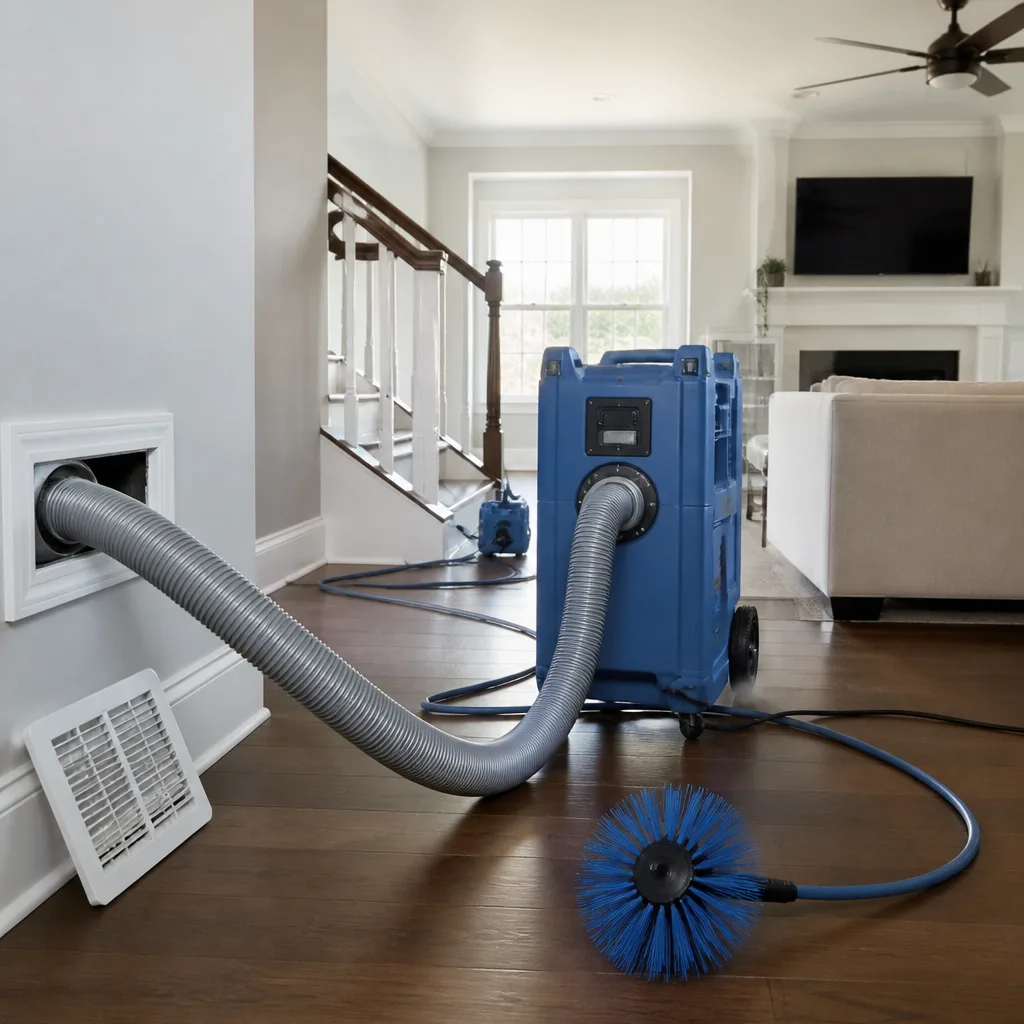 Whole-home duct cleaning
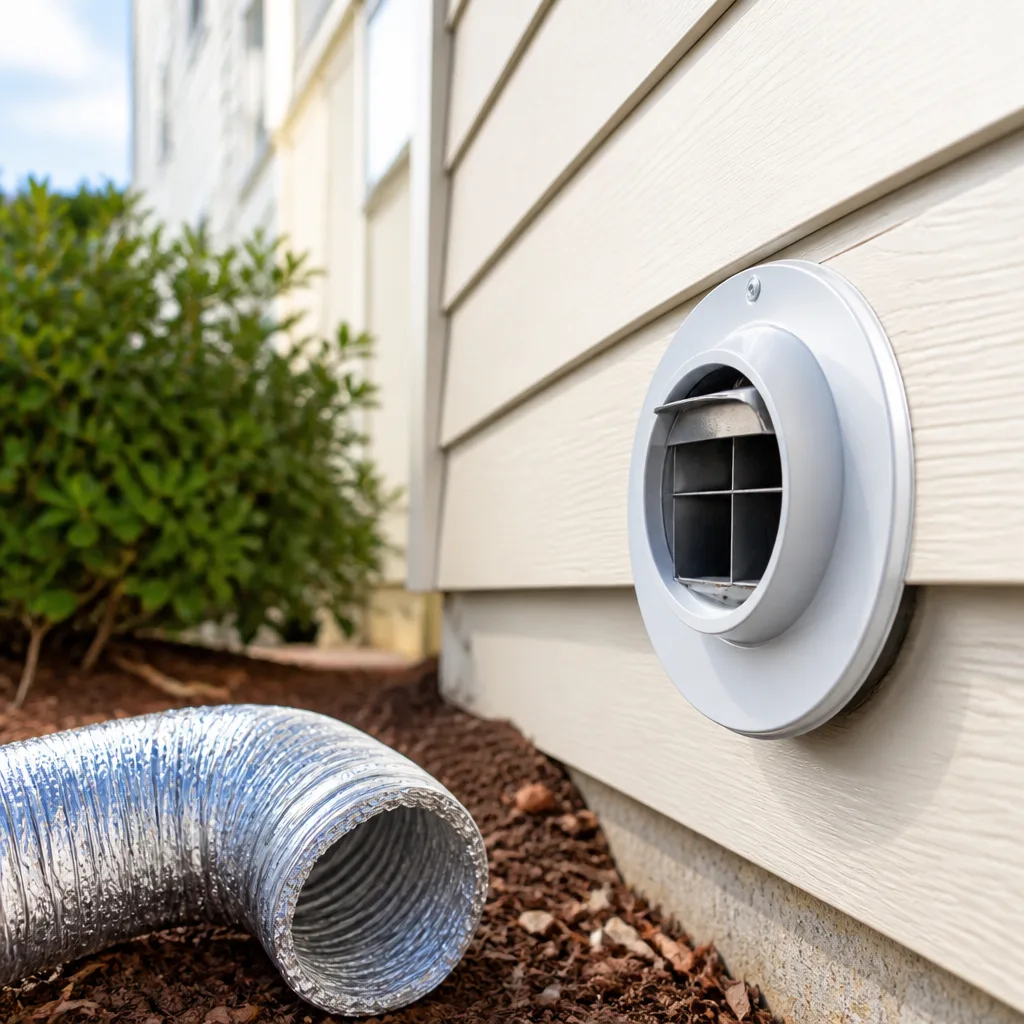 Dryer vent cleaning
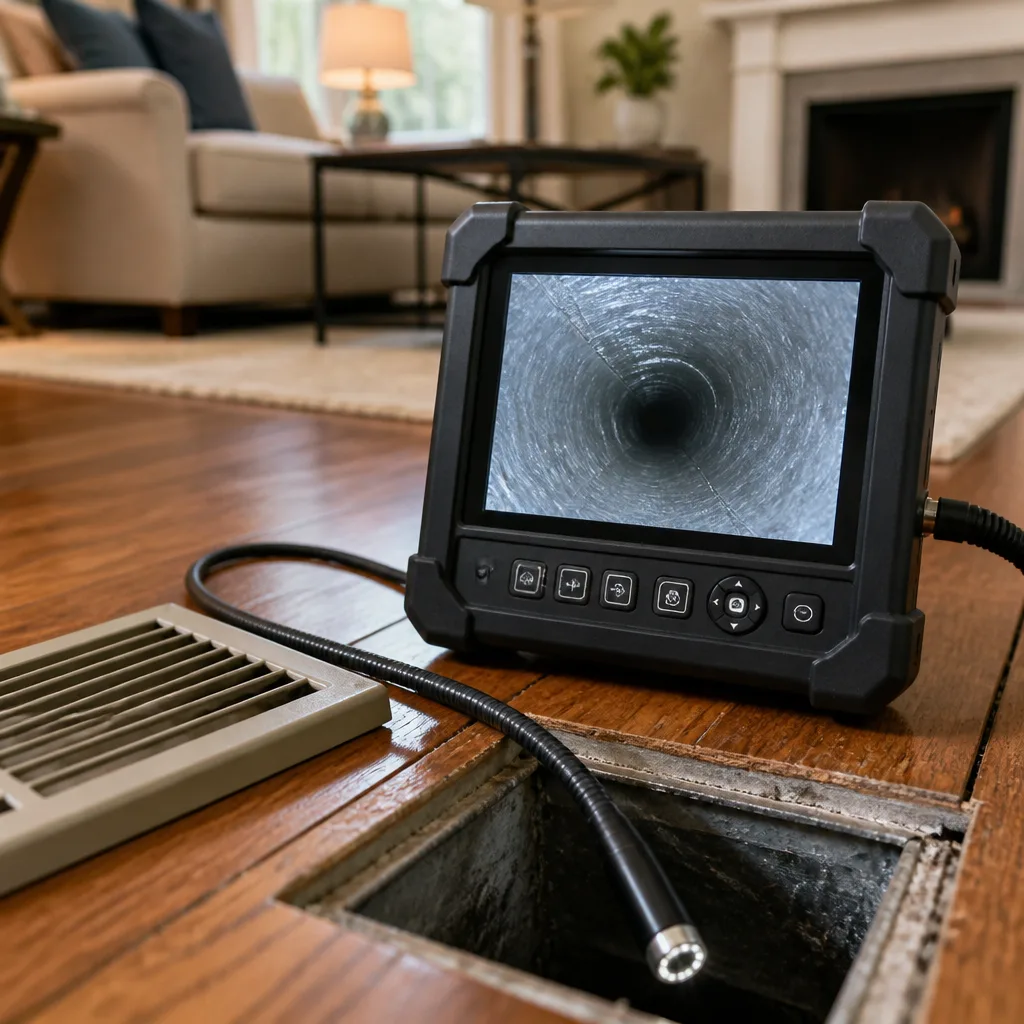 Camera inspection
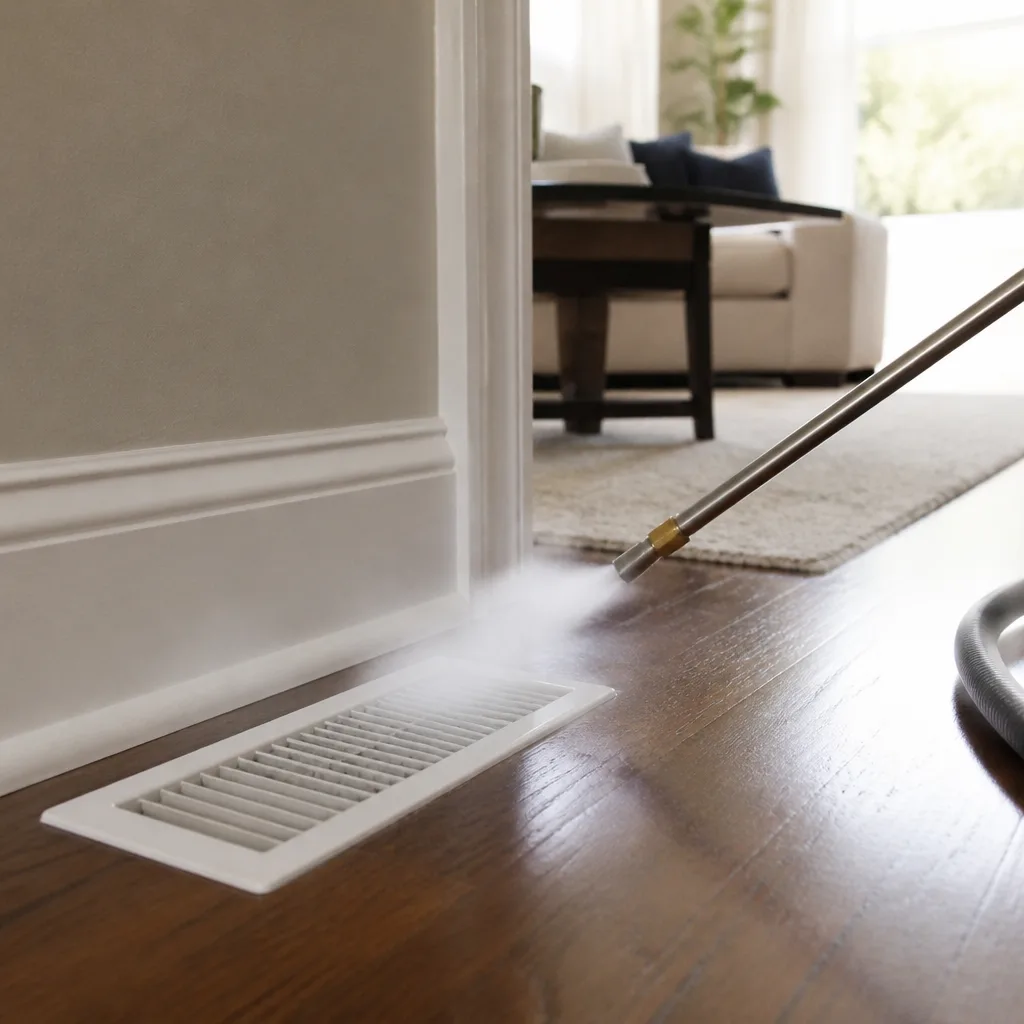 Sanitizing & deodorizing
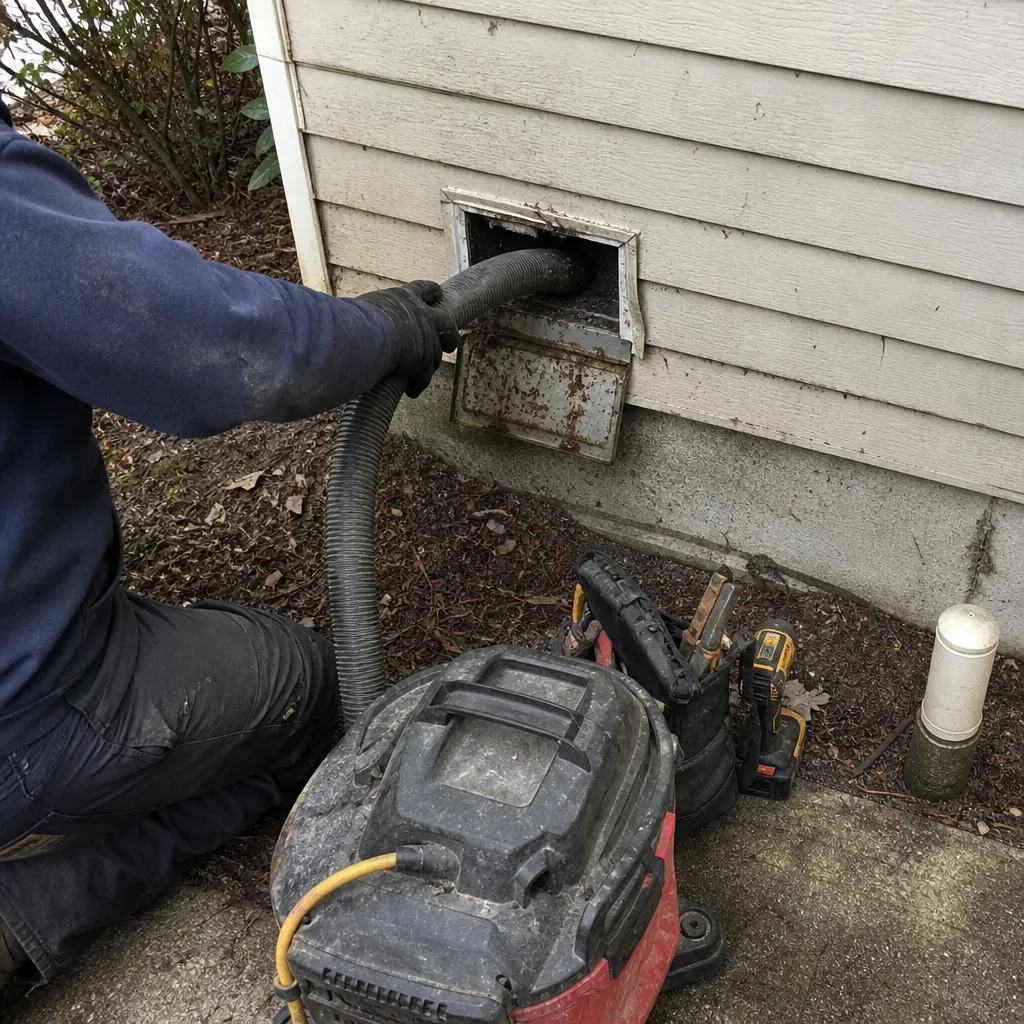
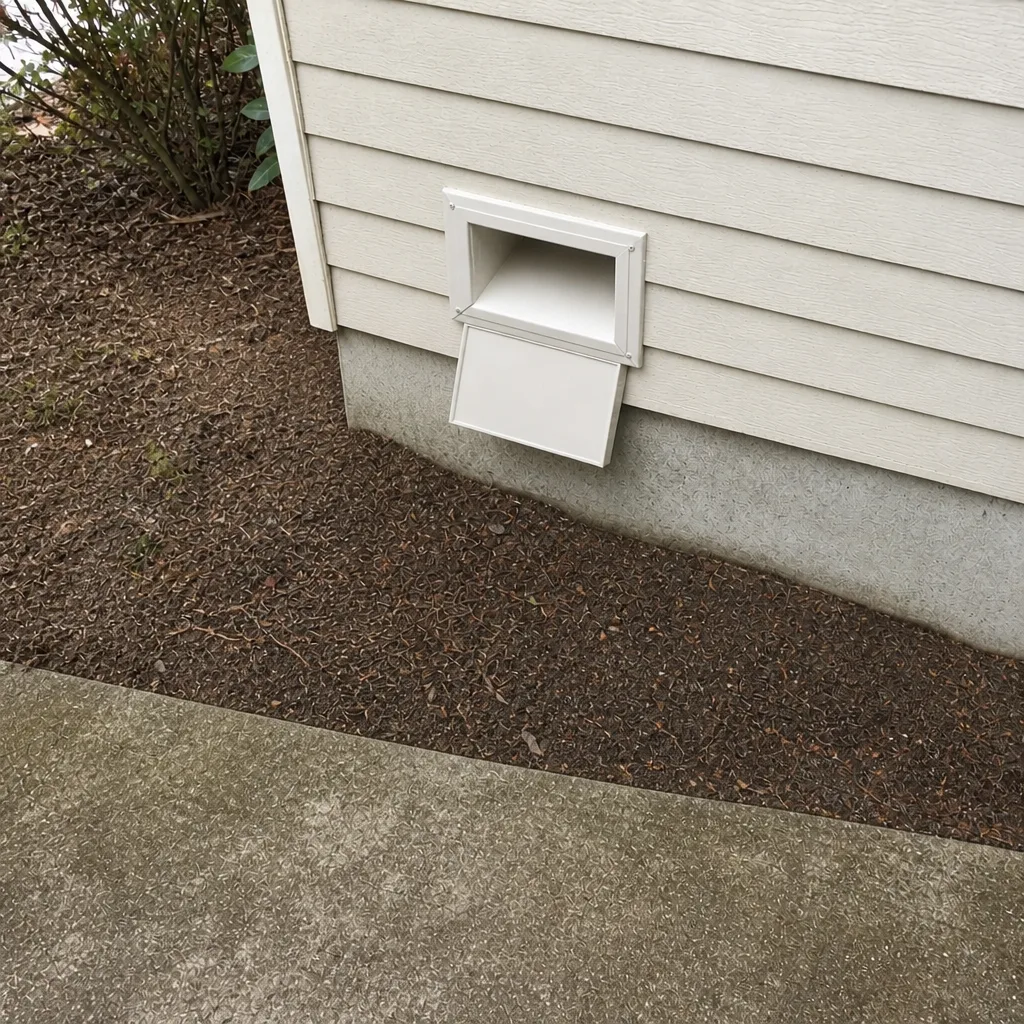
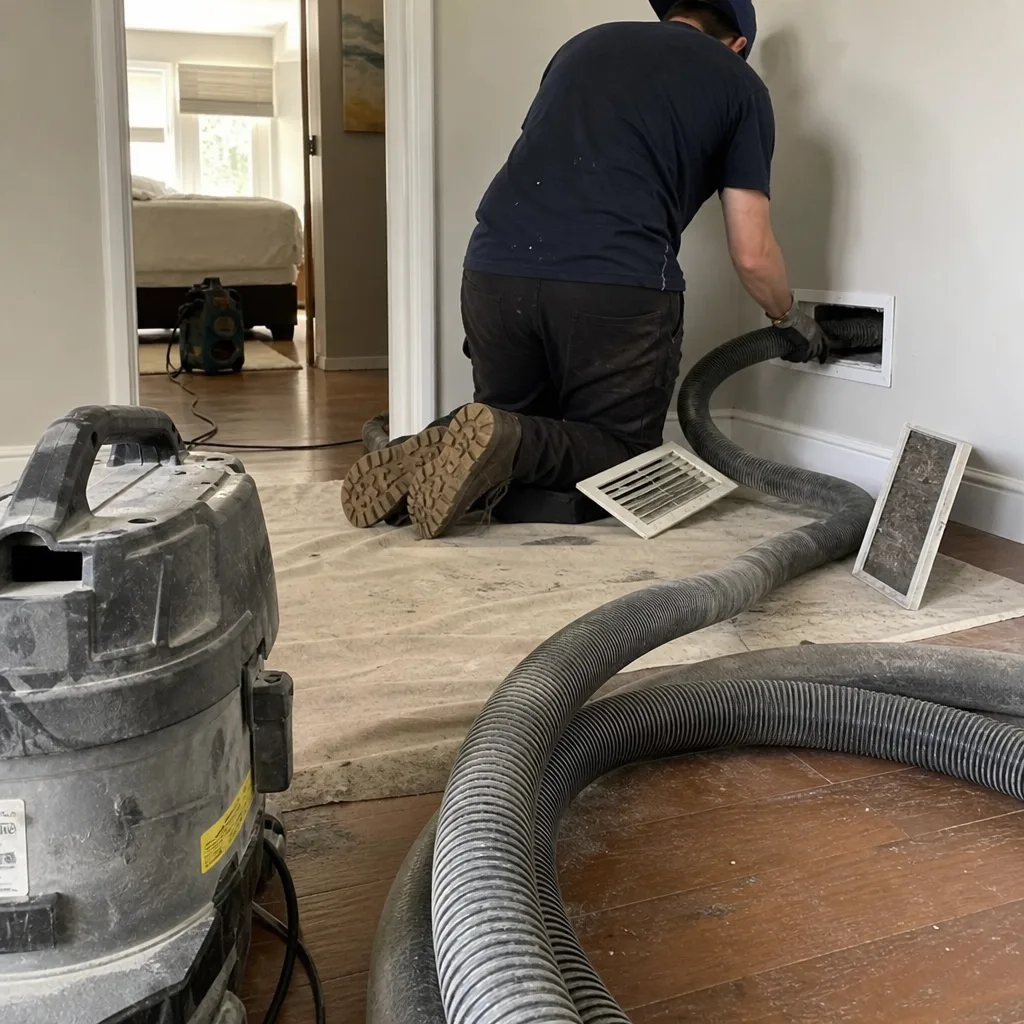
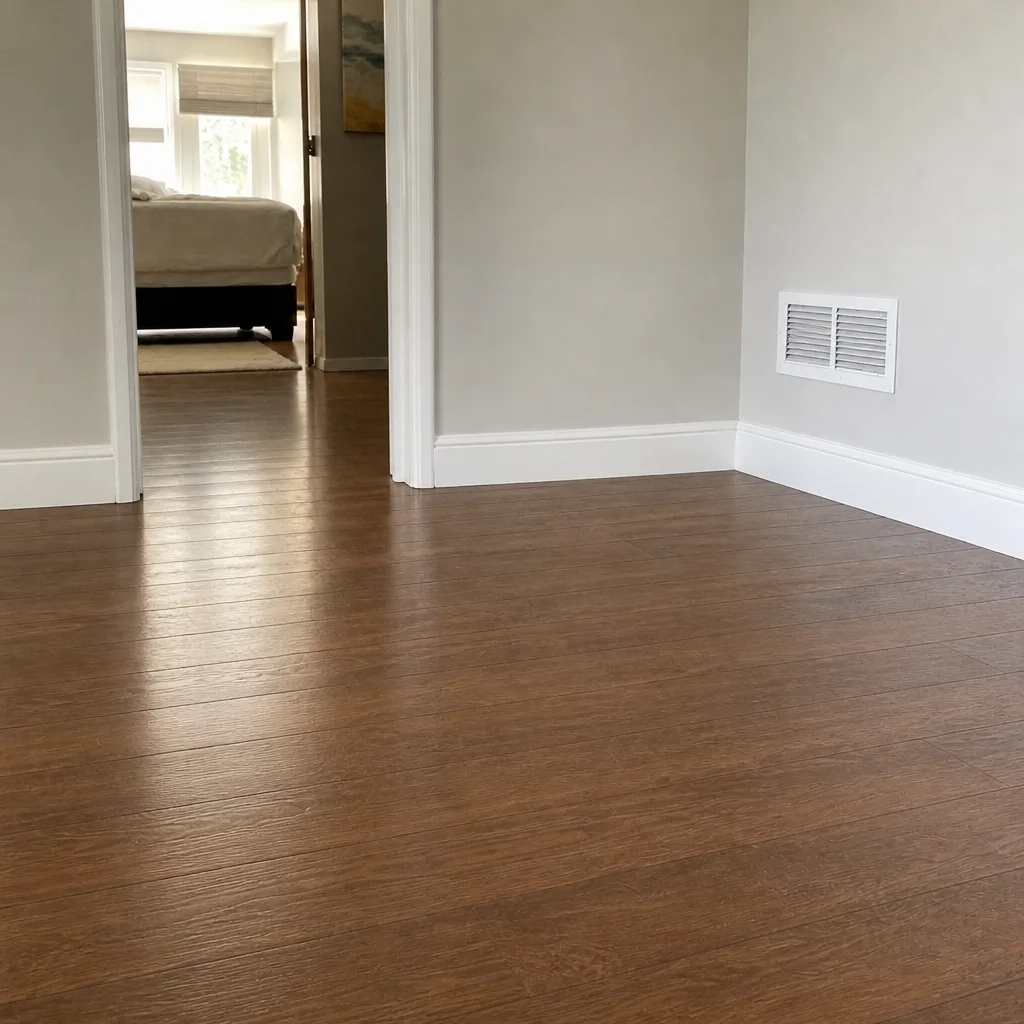
Whole-system duct and dryer vent check with before-and-after photos - you see exactly what came out of your vents
That "$99 whole-house special" is a bait ad - the real number appears once they are in your hallway, or the "clean" is a shop-vac at the register. We photograph the inside of your ducts before and after instead.
Air Duct Cleaning Warning Signs: A Kent Homeowner’s Reference Guide
Visible dust on supply registers is one of the least reliable warning signs for duct contamination. Registers dust up from ordinary room use, and in many Kent homes the filter grille is doing exactly what it should. Meanwhile the two problems that carry the biggest cost – microbial growth inside the duct lining and leakage pulling in attic or crawlspace air – produce no visible signal at all until they’re advanced. This guide separates the signs that are actually diagnostic from the noise, and shows you how to check the mechanical indicators yourself with nothing more than your hands, a thermostat, and an hour of observation.
Quick Answer
The warning signs worth acting on in a Kent home are airflow disparity between rooms, odor that changes taste or type when the system runs, symptom patterns that track with HVAC cycles rather than seasons, a recent event like renovation or water intrusion, and rising runtime on your thermostat with no change in settings. Visible dust, in most cases, is not one of them.
Styles & brands we work with
- Whole-home duct cleaning
- Dryer vent cleaning
- Camera inspection
- Sanitizing & deodorizing
Table of Contents
- Airflow Disparity Between Rooms: The Most Diagnostic Sign
- Odor Differentiation: Musty, Burning, Chemical
- Symptom Patterns Timed to HVAC Operation
- Recent Events That Reset the Contamination Clock
- Runtime Creep Without Thermostat Changes
- What a Real Inspection Actually Checks
- Low-Signal Signs vs. High-Signal Signs
Airflow Disparity Between Rooms: The Most Diagnostic Sign
Uneven airflow is the single most useful thing a homeowner can observe. A duct system that leaks, or a branch run that’s partially blocked by debris or a collapsed flex liner, tends to show up first as a room that never quite keeps up. In Kent, tall older homes near the East Hill and downtown blocks often have long, convoluted branch runs, and those runs are where leakage and blockage live. If your north bedroom is always two or three degrees behind the rest of the house, you have a mechanical signal, not a comfort complaint.
The Door-Gap Pressure Test
This is a quick, low-effort check that shows the system is under pressure imbalance:
- Close every interior door in the house and shut all windows.
- Run the HVAC fan continuously for a few minutes.
- Stand in a closed room and place your hand along the gap under the door.
- Note whether air is pulled into the room or pushed out of it – and how strongly.
- Repeat in two or three rooms. Big differences in the direction or strength of that draft suggest leakage or blockage on that branch.
The test doesn’t tell you which duct is leaking. It tells you the balance is wrong. That’s enough to justify a professional look, and it’s the kind of physical measurement no register dust count will ever give you. When we scope a system, air duct cleaning includes a full inspection of each run and a look at how each branch is responding.
One note on Kent housing stock: many mid-century ramblers and split-levels were built with attic runs that have been patched or rerouted over the decades. A recent slight change in one room’s airflow can be the duct liner separating at a seam. That’s a duct integrity issue, and it falls squarely into what HVAC cleaning and duct sealing are designed to catch and fix.
Odor Differentiation: Musty, Burning, Chemical
Odor is useful only when you can tell the types apart. “Something smells off” gets you nowhere; “it’s musty and only appears on startup” points to a specific part of the system. Here’s how each smell maps to a mechanical cause.
- Musty or earthy: points to moisture. Microbial growth in duct lining, coil condensate pans that don’t drain, or a crawlspace pulling air into the return. Common in Kent homes with crawlspaces and in basements that see damp autumn months.
- Burning or hot dust: typically a first-run-of-the-season dust burn-off, but if it persists beyond a few cycles, it suggests dust accumulation on the heat exchanger or in the plenum. Worth a look before it sets into the system.
- Chemical or solvent: almost always a source issue outside the ducts – new cabinets, paint, cleaning products drawn into the return. Not a duct-cleaning problem; a ventilation and filtration problem.
- Rotten or sewage: usually a drain trap or sewer gas issue, not a duct issue, though a return near a bathroom can carry it to the whole house.
How to Test the Source
Run the fan by itself with the heat and cooling off. If the odor appears, the culprit is in the duct path or the air handler. If it only appears when heat or cooling is calling, it’s more likely the coil or heat exchanger. That distinction changes what the technician inspects, and it’s the single most useful piece of information you can bring to the call.
Once the source is located, our sanitizing stage uses professional equipment including Abatement Technologies systems for negative air pressure, so contaminants stay contained during the work rather than spreading through the house.
Symptom Patterns Timed to HVAC Operation
Allergy complaints are everywhere and most of them are not duct-sourced. The pattern that separates duct contamination from ambient irritants is timing. If you wake with a stuffy nose in any season and any room, that’s likely pollen, dust mites, or air quality from outside. If your symptoms reliably begin within twenty to thirty minutes of the system running and ease when it cycles off, that’s a pattern pointing to what’s inside the ducts.
Watch for these specific patterns:
- Symptoms that appear only in rooms fed by one branch of the system.
- Morning congestion that clears after you leave the house and returns the same evening once the heat or AC is back on.
- Itching or throat irritation that starts when the fan first starts and fades over the next half hour.
- Symptoms in a household member with asthma that worsen on days the system runs longer – cold snaps in winter, heat dome afternoons in summer.
None of these prove contamination on their own. Together, and duplicated across people, they justify an inspection. That’s the difference between a diagnostic signal and a hunch. When you call us for Kent Air Duct Cleaning Pros service, we’ll ask about symptom timing before we ever pick up a tool.
Recent Events That Reset the Contamination Clock
Ductwork isn’t static. It collects what the house throws at it, and certain events push a lot of material into the system at once. If any of these happened in the last two years, the “isn’t it due yet” question reopens.
- Renovation or remodeling. Drywall dust, sawdust, and insulation fibers get pulled into the return within hours. This is the single most common trigger in Kent homes, especially with the number of older houses being updated.
- Water intrusion. Any roof leak, plumbing failure, or window seep that reaches the duct path is a moisture problem. Moisture plus time equals microbial growth, and growth inside the duct lining doesn’t announce itself with dust.
- Rodent or pest activity. Rodents nest in attic ducts and leave contamination behind. The odor pattern to watch for is musty with a distinct animal note, usually strongest on startup.
- New pets or a household change. Pet dander and hair load up a return quickly, particularly with a dog or cat that spends time near the return grille.
- Extended vacancy. A house that sat empty allows moisture to build with no airflow, and the ducts become the constant.
The rule of thumb: after a major event, treat the ducts as newly contaminated until inspected. That’s a cleaner decision framework than guessing at a calendar. For the fire-prevention side of the system, our dryer vent cleaning is the service that most homeowners defer past due.
Runtime Creep Without Thermostat Changes
Your thermostat is a diagnostic instrument you already own. If you haven’t changed the setpoint but the system is running noticeably longer than it did last season, two things are worth checking: duct leakage and coil fouling. Both reduce how efficiently the system moves air, so the equipment runs longer to satisfy the same call. In our experience, homeowners adjust the thermostat up or down to compensate and lose the signal in the process.
What to watch for:
- The heat runs through the whole cycle without hitting setpoint and stopping, where it used to cycle off and on.
- Cooling takes longer on mild days, not just hot ones.
- The blower is running more often on fan-only, or the system cycles more frequently overall.
- You’ve nudged the setpoint one or two degrees in either direction without thinking about why.
Runtime alone doesn’t prove contaminated ducts. But leakage and coil fouling do both show up as runtime creep, and both are addressable. A duct leakage inspection plus a coil cleaning resolves the two most common causes before they turn into a lot of wasted energy and a premature equipment replacement.
What a Real Inspection Actually Checks
An inspection that only looks at the register grilles tells you almost nothing. A useful inspection puts eyes and instruments inside the system. Here’s what that actually means:
- Access cut-in. The technician cuts a small access point in the trunk line – typically in the basement or mechanical closet – and seals it on completion.
- Camera push. A camera goes down each main branch to look for debris, liner separation, and rodent evidence.
- Coil and blower inspection. The coil face and blower wheel are checked for fouling, which is where a lot of runtime creep comes from.
- Containment setup. Professional work runs a HEPA vacuum with negative air pressure so loosened material doesn’t get pushed into living space. We use Rotobrush and Nikro systems for this stage, with Abatement Technologies equipment for containment on heavier jobs.
- Seal-and-repair stage. Any leaks and liner separations we find get sealed during the same visit. We don’t document and walk.
- Post-clean verification. A before-and-after photo set from inside the ducts, so you have a record of what came out.
That’s what we mean when we say the scope is the whole system. Duct cleaning, repair and sealing, and sanitizing live on the same visit. If a filtration upgrade makes sense for the household, Honeywell and Aprilaire products can be integrated at the point of service rather than as a second appointment. The point is that a full-scope inspection either finds nothing (worth knowing) or finds something you can fix now.
Low-Signal Signs vs. High-Signal Signs
The table below sorts the common things homeowners notice into “worth watching” and “act on this.” Most blogs treat everything on the left as a crisis; in our experience, half of what gets flagged as a duct problem isn’t one.
Low-Signal Signs (Not Enough On Their Own)
- Dust on supply register grilles – normal from room use.
- Dust accumulating on ceiling fans and light fixtures – normal air circulation.
- A visible dust film on furniture within a day or two – check the filter first.
- Occasional musty smell after summer vacation – usually humidity, not ducts.
- Allergy symptoms that don’t track with HVAC cycles.
High-Signal Signs (Worth an Inspection)
- A single room with clearly worse airflow than the rest.
- Odor that appears only on system startup and resolves during the run.
- Symptoms that start when the system cycles on and ease when it stops.
- Runtime increase with no setpoint change.
- Any recent renovation, water intrusion, rodent activity, or extended vacancy.
- Burning smell that persists past the first few cycles of the season.
If two or more high-signal signs are present, an inspection is worth the call. The problem you find at that stage is usually cheaper to fix than it is at the point where it becomes visible.
Common Mistakes to Avoid
- Judging the ducts by the register grilles. Registers collect dust from the room, not from the ducts. A clean register can sit on a duct that needs cleaning; a dusty register can sit on a duct that’s fine.
- Chasing a low coupon price. In our experience, an unusually low advertised price is usually made up on the invoice once the technician is on site. A written estimate for the whole system is the only figure that means anything.
- Treating the dryer vent as an afterthought. Duct cleaners who focus on HVAC typically skip the dryer vent or treat it as a checkbox. The dryer vent is a distinct fire hazard and deserves its own dedicated service, not five minutes at the end of an HVAC job.
- Ignoring a burning smell past the first cold snap. A few cycles of hot-dust burn-off in October is normal. A burning smell in February is not, and it deserves a call.
- Setting the thermostat higher to compensate for runtime creep. That masks the signal without fixing the leak or fouling that caused it. Watch the runtime, not the setpoint.
- Skipping the crawlspace return. In Kent homes with crawlspace returns, the return line pulls air from a damp space. A duct cleaning that doesn’t inspect that return will miss the source of a lot of musty cold-weather complaints.
- Letting a leaky duct stay leaky. Sealing a leak at the time it’s identified is cheaper than letting it pull in attic or crawlspace air for another season. Duct repair and sealing belongs in the same visit as the cleaning.
See the difference
 Before
 After
 Before
 After
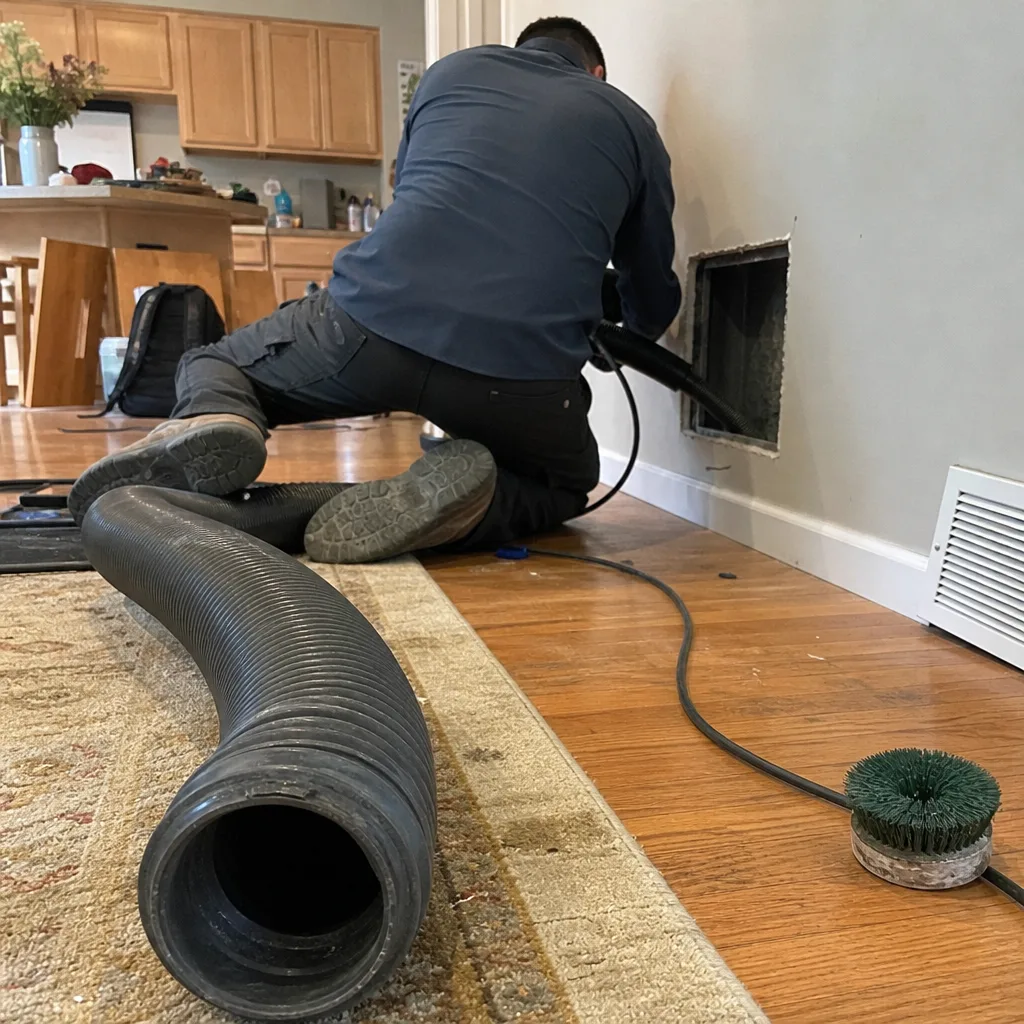 Before
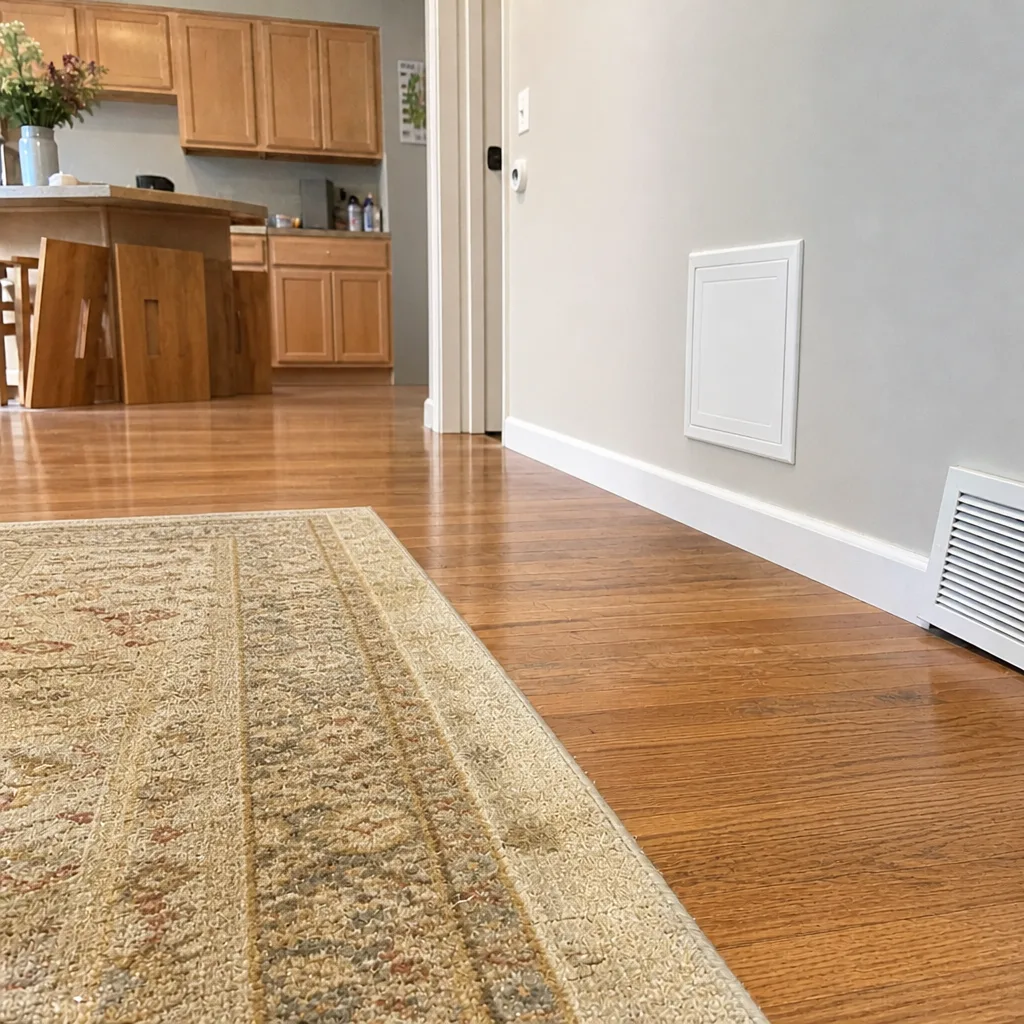 After
When to Call a Professional
Call when you have two or more high-signal signs going at once. Call when a recent renovation, water intrusion, or pest problem has reset the contamination clock. Call when a burning smell persists past the first week of heating season, when a room has lost airflow, or when runtime has crept up without a setpoint change. And call if the dryer has started taking longer to dry a load – that’s a fire-risk signal on the dryer vent side. You don’t need to diagnose first; the point of an inspection is to give you an honest read on what’s actually in the system. Kent Air Duct Cleaning Pros offers free estimates in Kent – call (855) 550-7709 and we’ll talk through what you’re seeing before we recommend anything.
Frequently Asked Questions
Usually not. Register dust comes from room air cycling past the grille, not from contamination inside the duct. It’s a low-signal indicator. The stronger signs are airflow disparity between rooms, odor that tracks with system operation, and runtime creep without a setpoint change. Call (855) 550-7709 for an exact quote if you want an inspection – estimates are free.
There is no fixed calendar that applies to every house. Most homes with well-maintained filters and no recent events go several years between cleanings. What resets the clock is renovation, water intrusion, rodent activity, extended vacancy, or a new pet – not the number on the wall calendar. Call (855) 550-7709 if you want a professional read on whether it’s time.
The cheapest quotes usually come from someone pricing per vent with no whole-system scope, no containment, and no repair capability. The invoice typically grows once the technician is on site. We price one flat figure per system from a written estimate before work begins, and we don’t quote per-vent. Call (855) 550-7709 to get that written estimate.
Ask for before-and-after photos of your own ducts, taken from inside the system. That’s a fair standard and it’s what we provide. If a company can’t show you what came out, you’re paying for a promise. Call (855) 550-7709 to see what we mean.
Yes. Leakage in attic and crawlspace runs pulls unconditioned air into the system and forces the equipment to run longer to hit setpoint. You won’t see it in the ducts – you’ll see it as runtime creep and a bill that climbs without a rate change. Duct repair and sealing is part of our scope. Call (855) 550-7709 for an inspection quote.
Musty points to moisture and microbial growth in the duct lining or condensate system. Burning usually means dust on the heat exchanger or plenum, and it’s normal for the first few cycles of the season – not for the rest of it. Chemical smells typically come from a source in the room, not the ducts. Call (855) 550-7709 if you want us to trace it.
No – we treat dryer vent cleaning as its own dedicated fire-prevention service. It’s a distinct system with its own risk profile, and bundling it into an HVAC cleaning as an afterthought is a common mistake. A dryer that takes longer to dry a load is the sign to act on. Call (855) 550-7709 for an estimate.
The Bottom Line
The warning signs that matter are the ones you can measure, not the ones you can see. Airflow disparity between rooms, odor that tracks with system operation, symptom patterns that flip on when the HVAC cycles, recent events that reset the contamination clock, and rising runtime without a thermostat change – those are the signals. Register dust is mostly noise. If two or more high-signal signs are present, an inspection with a written whole-system estimate is the right next step, and it’s free. Our technicians have up to 13 years of experience with Rotobrush, Nikro, and Abatement Technologies systems, and the repair and sealing happens on the same visit.
Contact
If you’re seeing any of the high-signal indicators in your Kent home, call (855) 550-7709 for a free estimate. We answer 24/7. Fast dispatch from 7am to 7pm, Sunday through Friday. We’ll bring the right equipment, show you what’s in the system, and give you a written estimate for one flat price per system before any work starts.
Written by the team at Kent Air Duct Cleaning Pros.