
Last updated November 23, 2026
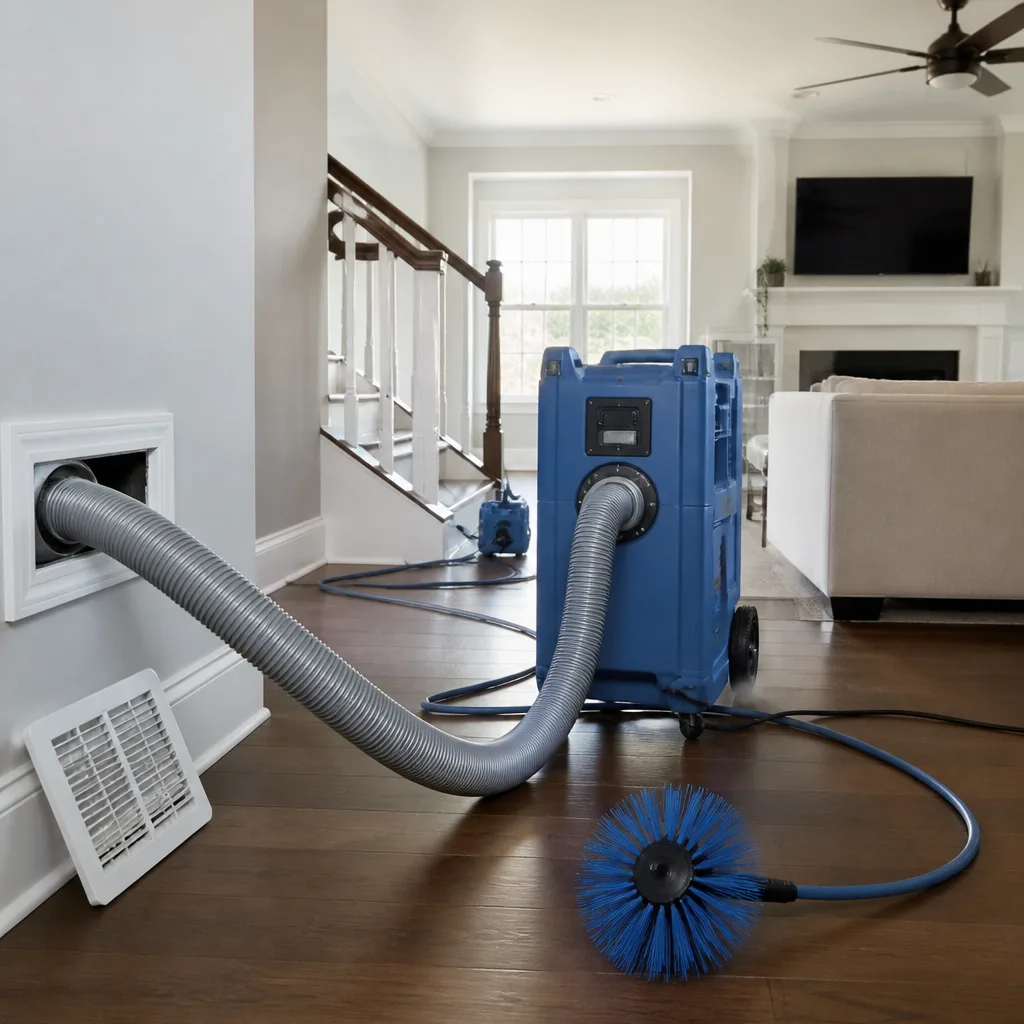 Whole-home duct cleaning
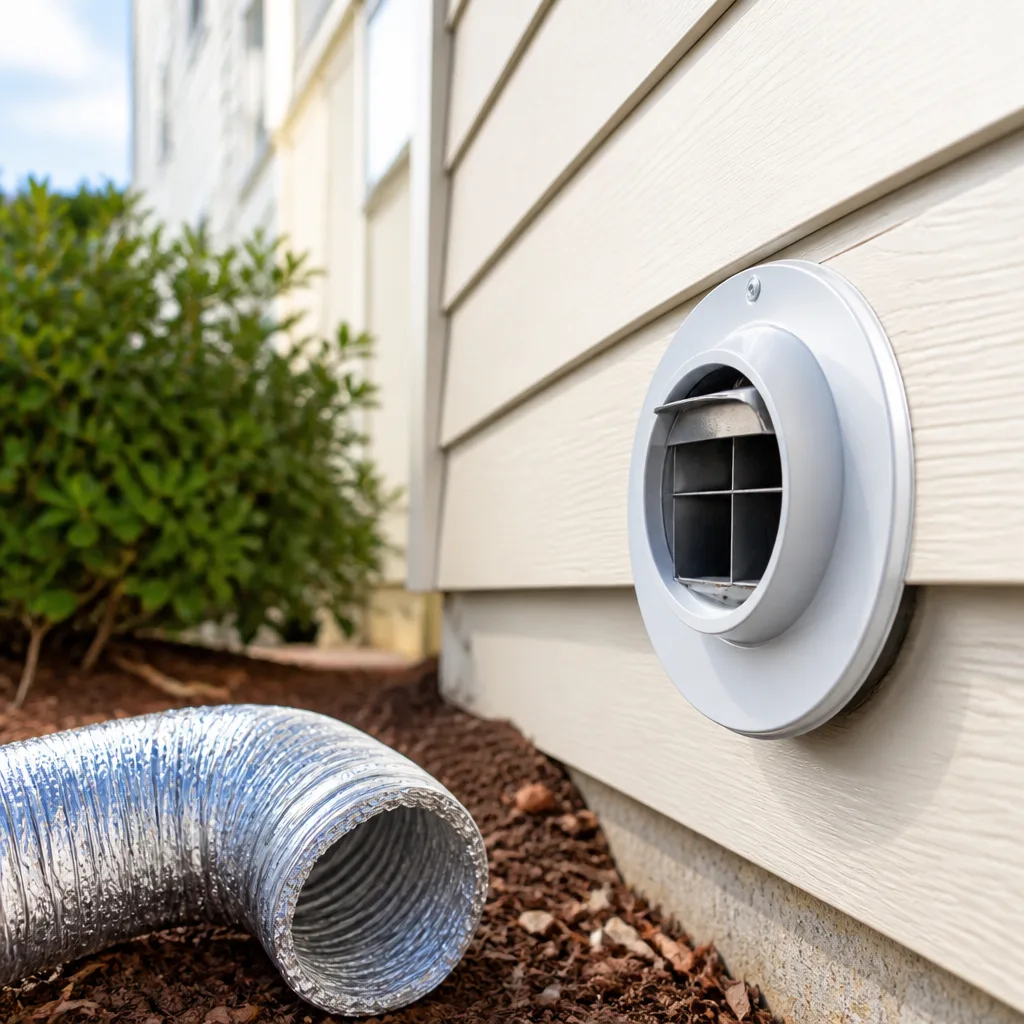 Dryer vent cleaning
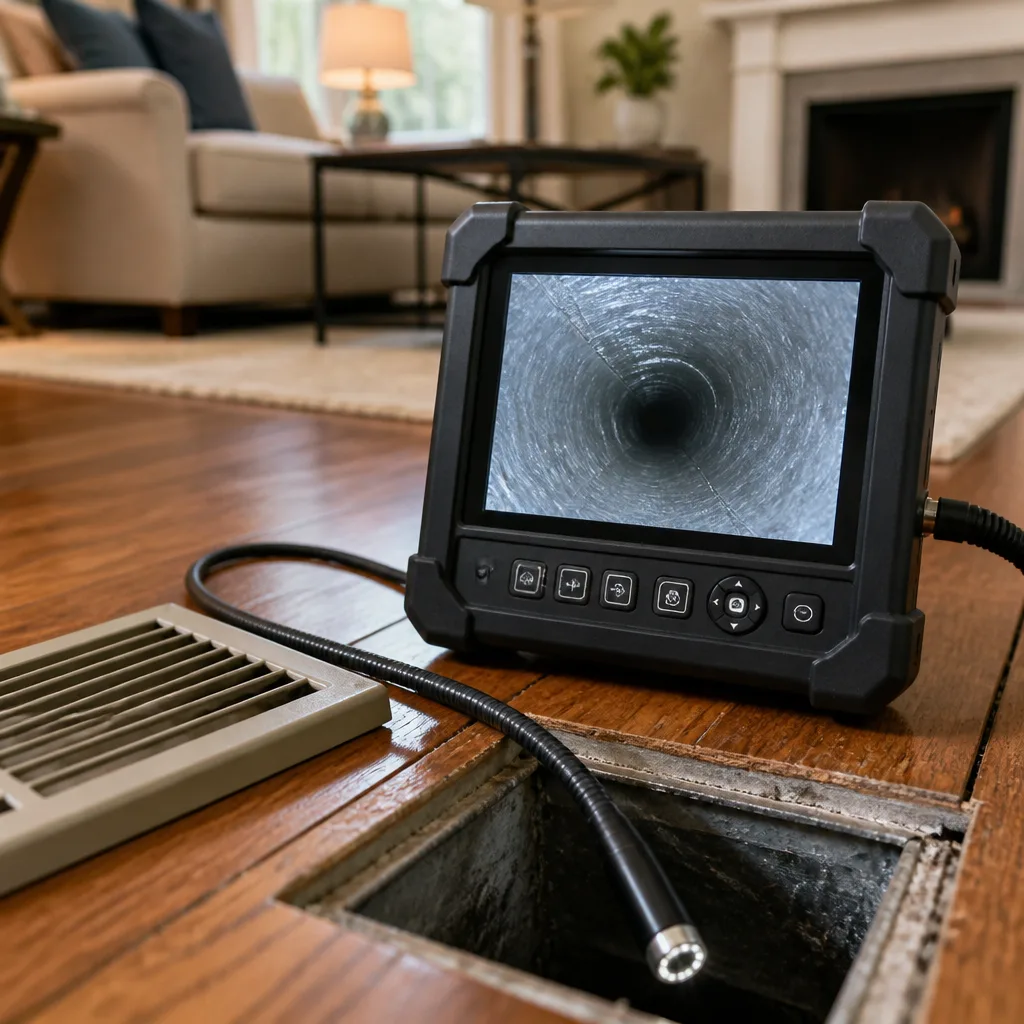 Camera inspection
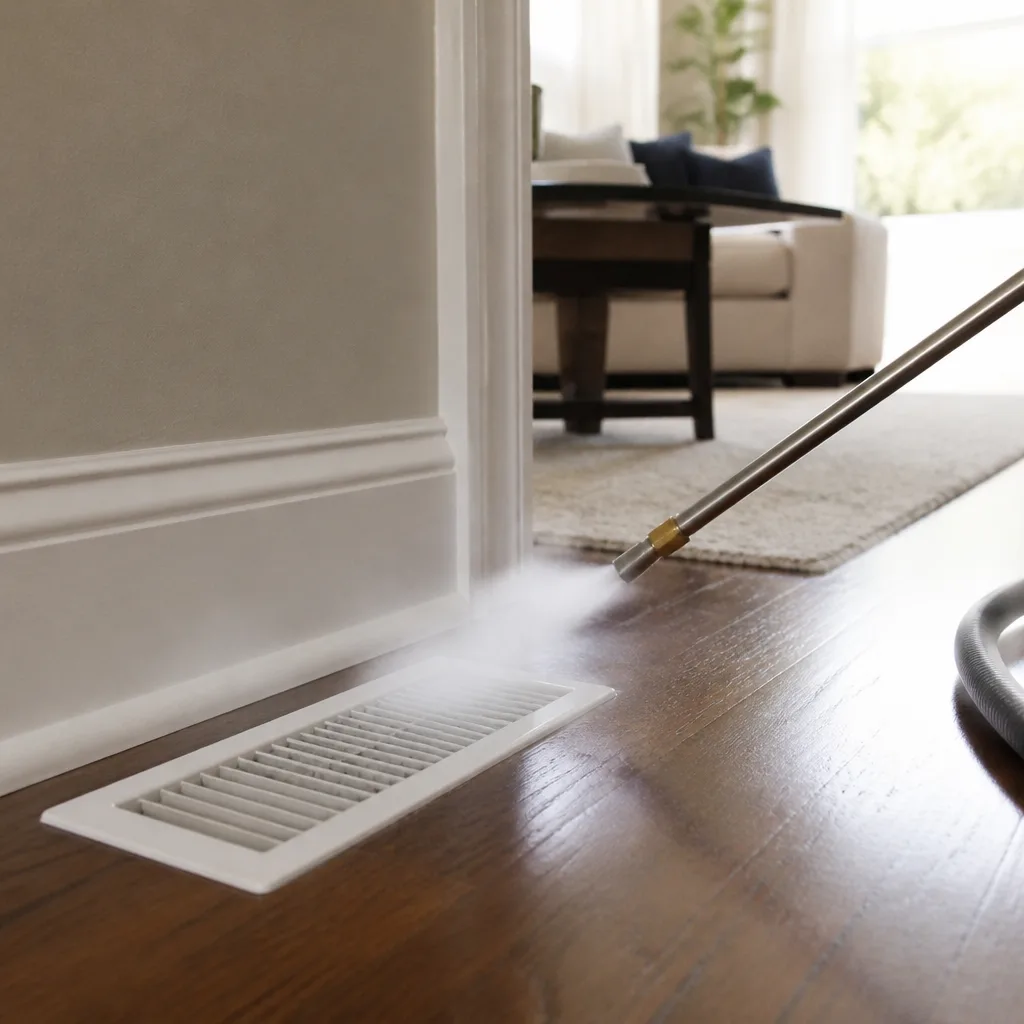 Sanitizing & deodorizing
Whole-system duct and dryer vent check with before-and-after photos - you see exactly what came out of your vents
That "$99 whole-house special" is a bait ad - the real number appears once they are in your hallway, or the "clean" is a shop-vac at the register. We photograph the inside of your ducts before and after instead.
Air Duct Cleaning Permits, Codes & Inspections in Kent, WA: What You Need to Know
Here’s the part that surprises most people: cleaning your ducts is maintenance, but changing them is construction. In Kent, that line matters more than almost any homeowner realizes. A UV germicidal light wired into your air handler in King County isn’t a small upgrade you can slip in without paperwork. If that electrical work isn’t permitted and inspected properly, it can complicate a home sale inspection or an insurance claim down the road. Most people don’t know where routine cleaning ends and code-regulated mechanical work begins. This guide draws that line clearly, so you know exactly what’s required before anyone touches your system.
Quick Answer
Routine air duct cleaning in Kent requires no permit. Cleaning is maintenance, and maintenance doesn’t trigger a mechanical permit. But the moment a contractor replaces or modifies duct sections, alters the air handler, or installs equipment like UV lights or powered filtration, Washington state mechanical code and King County permit rules apply. That means a permit, an inspection, and a licensed contractor responsible for the work. Plain cleaning: no permits. Physical changes: permits almost always required.
Styles & brands we work with
- Whole-home duct cleaning
- Dryer vent cleaning
- Camera inspection
- Sanitizing & deodorizing
Table of Contents
- Cleaning vs. Mechanical Work: Where Kent Draws the Line
- King County Permit Thresholds: What Actually Triggers a Permit
- The Washington Codes That Govern Duct System Work
- When a Duct Cleaner Crosses Into Licensed Mechanical Work
- How to Verify a Contractor in Washington
- What to Put in Writing Before Work Begins
- Inspections, Energy Code Checks, and What to Expect
- What You Can Do Yourself and What to Leave Alone
Cleaning vs. Mechanical Work: Where Kent Draws the Line
Air duct cleaning is a maintenance service. You remove accumulated dust, debris, and contaminants from a duct system that stays structurally the same. No components are added or changed. That distinction is the hinge the whole code question swings on, and it’s why a standard cleaning job in Kent usually moves forward without a permit.
Mechanical work is different. Anything that alters the system’s physical makeup – its layout, its components, or how it connects to the HVAC equipment – moves into territory Washington regulates as mechanical work. A contractor doing that work needs the right license and, in most cases, a permit.
Here’s how the split usually looks in practice:
- Cleaning only (no permit): Mechanical agitation and vacuuming of existing ducts, registers, and supply and return lines. No new materials, no changes to system layout.
- Sanitizing only (no permit): Applying a sanitizing agent to the interior of existing ductwork during cleaning. Nothing structural changes.
- Duct repair or replacement (permit likely): Cutting out and replacing sections of duct, realigning runs, or altering how the system distributes air.
- Air handler modification (permit likely): Wiring in new equipment, adding UV lights, or changing airflow components at the unit itself.
- IAQ equipment installation (permit depends on the type): Powered filtration, purifiers, and integrated systems that tie into the HVAC system’s electrical or control side.
We’ve walked through the Kent market long enough to know where homeowners get tripped up: a contractor cleans the ducts, spots a bad section, and seals or replaces it on the spot. Sealing a joint that’s leaking air can sit on the maintenance side. Cutting out and replacing a section is a modification, and it’s the kind of work that can raise a permit question later. Knowing which one happened protects you. For the full scope of what routine air duct cleaning covers without permits, that’s the baseline service most homes actually need.
King County Permit Thresholds: What Actually Triggers a Permit
King County administers building and mechanical permitting for the city of Kent, and the county’s rule of thumb is straightforward: if the work creates, replaces, or modifies a duct system or its components, a mechanical permit is typically required. If it only cleans what’s already there, it isn’t.
The permit question is best answered by the type of work rather than the size of the job. A small repair can still need a permit if it changes the system; a large cleaning doesn’t. Here are the common triggers to watch for:
- Replacing rigid or flex duct runs with new material rather than cleaning existing ones
- Adding new supply or return registers, or relocating existing ones
- Modifying the air handler, coil cabinet, or plenum
- Installing a UV purification system wired into the HVAC electrical system
- Adding a whole-home powered filtration unit integrated with the air handler
- Changing how the system is controlled, such as adding new sensors or controls that tie into HVAC
What does not trigger a permit: cleaning ducts, cleaning the blower and coil during a service visit, and applying sanitizing product. Those are maintenance steps that keep the existing system healthy. This is also why HVAC cleaning is treated as a separate service from any structural repair – one is upkeep, the other is construction.
One area worth extra caution: dryer vent work. Clearing lint from a dryer vent is maintenance, but replacing a plastic or foil vent with code-approved smooth metal ductwork can involve mechanical requirements. If a contractor recommends replacing the run, ask whether it’s permitted. Dedicated dryer vent cleaning is the maintenance side of that conversation, and it’s the fire-prevention service most homes need most often.
The Washington Codes That Govern Duct System Work
Two bodies of code matter for duct system work in Kent: the Washington State Mechanical Code, which adopts the International Mechanical Code (IMC) with state amendments, and the Washington State Energy Code, which regulates the duct system’s performance and insulation standards.
What the mechanical code covers
The IMC, as Washington adopts it, governs installation of duct systems, how they connect to equipment, and ventilation requirements. When a contractor replaces duct sections or modifies the system, the work needs to comply with those installation standards. That’s what a mechanical permit inspection verifies.
What the energy code covers
The Washington State Energy Code governs duct insulation and leakage. New or replacement ductwork typically has to meet minimum insulation and sealing standards, which is one reason sealing and insulation are part of a proper duct system upgrade rather than a cosmetic fix. When ducts are only cleaned, those standards don’t come into play – nothing is being rebuilt.
What about indoor air quality equipment?
IAQ upgrades like UV systems and powered filtration sit at a code intersection. Some involve electrical work, which means a separate electrical permit. Others tie into the mechanical system, which can trigger mechanical permitting. It varies by product and installation, which is why the written scope – and in some cases a conversation with the Kent building department – matters so much. When we install or integrate equipment from Honeywell or Aprilaire lines, we’re working with components that tie into the HVAC system’s electrical and control side. That’s the kind of work to document carefully from the start.
When a Duct Cleaner Crosses Into Licensed Mechanical Work
In Washington, contractor licensing is administered by the Department of Labor & Industries. A general contractor registration is not the same thing as a license to perform mechanical work. Companies that do mechanical work must be licensed under the appropriate classification.
This is where the industry gets muddy. A company that’s set up for cleaning can be perfectly competent at cleaning. But when the same visit shifts into replacing duct sections or wiring equipment, the work may be outside what that company is licensed to perform. The consumer protections – the ones that help you if something goes wrong – often depend on the classification the contractor holds.
Here’s how to spot the transition:
- The work involves new materials: If duct sections are being cut out and replaced rather than cleaned, that’s typically mechanical work.
- The work involves electrical connections: Anything wired into the HVAC equipment is regulated work, and needs the right license and typically a permit.
- The work changes system performance: Modifications that alter airflow, static pressure, or distribution are mechanical changes.
- The quote shifts from service to installation: An “installation” line item is a good signal the job has crossed into regulated territory.
None of this means a duct cleaning provider shouldn’t repair and seal what it finds. It means the honest version of that conversation is clear about which work is maintenance and which is regulated. A company that operates on the right side of the line tells you where it is before the work starts.
How to Verify a Contractor in Washington
Verifying a contractor’s standing takes a few minutes and prevents a lot of later trouble. Washington’s Department of Labor & Industries maintains a public contractor registration lookup, and the county can confirm whether a permit exists for a given address.
Here’s a workable verification routine:
- Look up the contractor registration. Confirm the registration is active and current, not suspended or expired. The L&I lookup is free and public.
- Ask which classification covers the work being quoted. Cleaning is one thing; mechanical work is another. The answer should line up with what’s actually being proposed.
- Ask about liability insurance. Ask the contractor to provide a certificate of insurance showing active coverage. The kind of work being performed affects what classification applies.
- Confirm permit handling in writing. If the job involves mechanical work, ask who pulls the permit. The answer should be the contractor, not you.
- Check the permit record by address. If permit work has already happened, the county can confirm it. This matters when a previous owner had work done.
We’ve found that the most useful question isn’t “are you licensed?” It’s “which license covers this specific job, and will you pull the permit?” Those two answers separate the companies that understand the boundary from the ones that gloss over it. A connection to independent local professionals who are licensed and insured as their state requires is the standard to hold every contractor to, every time.
What to Put in Writing Before Work Begins
Scope documentation is your protection if a permit question ever comes up after the work is done. The written scope should state exactly what’s being done, what materials are involved, and whether any part of the work requires a permit and inspection.
A good scope document includes:
- The exact work described: “Clean supply and return ducts and all registers” is different from “repair duct system.” Be precise.
- A line between cleaning and modifications: If sealing or repair is anticipated, list it separately with the square footage or number of joints, so it doesn’t get folded into the cleaning line.
- Materials to be used: What type of sealant, tape, or duct materials, and who supplies them.
- Permit responsibility: Who pulls the permit, and confirmation that inspections will be coordinated.
- Licensing statement: The contractor’s registration number and the classification covering the work.
- A clear cleaning standard: Ideally the NADCA (National Air Duct Cleaners Association) assessment standard, which defines what “clean” means. It’s the practical standard the industry measures against.
If the work is cleaning only, the scope should say so plainly. That’s your record if a future owner’s inspector raises a question during a sale. Ask for a copy of the written scope and keep it with your home records. It’s a small paper trail that prevents big questions later.
Inspections, Energy Code Checks, and What to Expect
When a permit is required, an inspection follows. A mechanical inspection in Kent typically verifies installation quality, code compliance, and for ductwork, insulation and sealing standards under the energy code requirements. Here’s what to expect at each stage:
- Permit issuance: The contractor applies, and the county issues the permit. You’ll typically have a permit number attached to your address.
- Rough-in inspection (for some work): Ductwork and components are inspected before being closed in or finished.
- Final inspection: Once the work is complete, the inspector verifies the installation against the permit and the applicable code.
- Closeout: The permit is finalized in the county record, giving you documented, code-compliant work.
Cleaning-only services don’t require an inspection because there’s nothing to inspect against a mechanical permit. That distinction is worth keeping in mind when comparing quotes. A company promising to “handle everything” without discussing permits for mechanical work is skipping a step, not streamlining one.
If you’ve purchased a home that had duct work done by a previous owner and you’re unsure whether it was permitted, the fix is straightforward: check the county permit record for the address, and if work was done without a permit, ask the county what’s needed to bring it into compliance. An inspector’s read on the situation is more reliable than anyone’s guess.
What You Can Do Yourself and What to Leave Alone
Some parts of duct system maintenance are fine for a homeowner. Others genuinely are not, and the line is mostly about what’s behind the grille. Register cleaning is safe and useful. Your own filter changes are safe and useful. Anything that involves opening the duct system, touching the air handler, or working with electrical components is not a DIY job.
What you can reasonably do:
- Remove and clean supply and return registers. Screens and grilles collect dust fast, and cleaning them protects airflow.
- Replace filters on the schedule your filter’s rating and your home’s conditions call for. A filter loaded with dust is the single most common airflow problem we find.
- Check that registers are unobstructed by furniture and rugs. Blocked returns strain the whole system.
- Keep the immediate area around the air handler clear.
What to leave to a professional:
- Opening the duct system for cleaning: Professional containment equipment matters here. Abatement Technologies equipment and HEPA-level setups used by trained technicians keep dust inside the system during cleaning rather than blowing it into the room. A shop vacuum pushes fine particles back into the air.
- Working inside the air handler: The blower, coil, and control board are all sensitive, and a mistake there can be costly.
- Any electrical work: This covers UV lights, powered filters, and any wiring. Electrical work is regulated and dangerous to do without proper training.
- Duct repair and replacement: Cutting into and re-sealing a duct system takes the right materials and training to meet code.
Common Mistakes to Avoid
- Assuming all “cleaning” is maintenance. If the quote includes repair or replacement, some of that work is mechanical and may need a permit. Ask which line items need one.
- Letting a contractor wire in a UV light without asking about the electrical permit. It’s a common omission in Kent, and it becomes a problem when the home changes hands.
- Comparing quotes that cover different scopes. A quote for cleaning only and a quote that includes repairs aren’t the same job. Compare like with like.
- Skipping the contractor registration check. A few minutes on the L&I lookup confirms the contractor is active. Registration can lapse.
- Not asking who pulls the permit. The homeowner should never pull a permit for work being done by a contractor. If the answer is “you should,” push back.
- Not keeping the written scope. That document is your protection if an inspector, a buyer’s agent, or your insurer asks about the work later.
- Letting a previous owner’s unpermitted work sit unexamined. If you’ve recently bought a home in Kent, check the permit record for HVAC and duct work. It’s much easier to resolve now than during a future sale.
See the difference
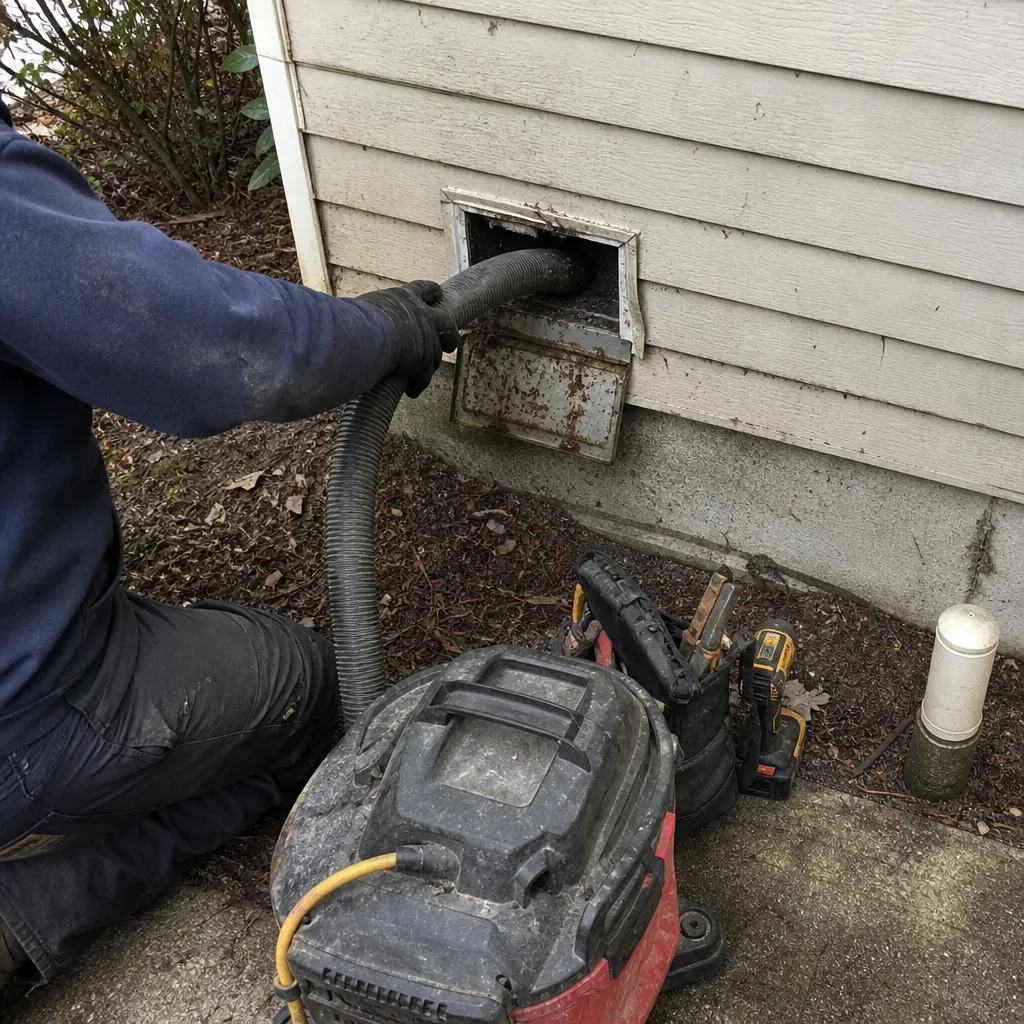 Before
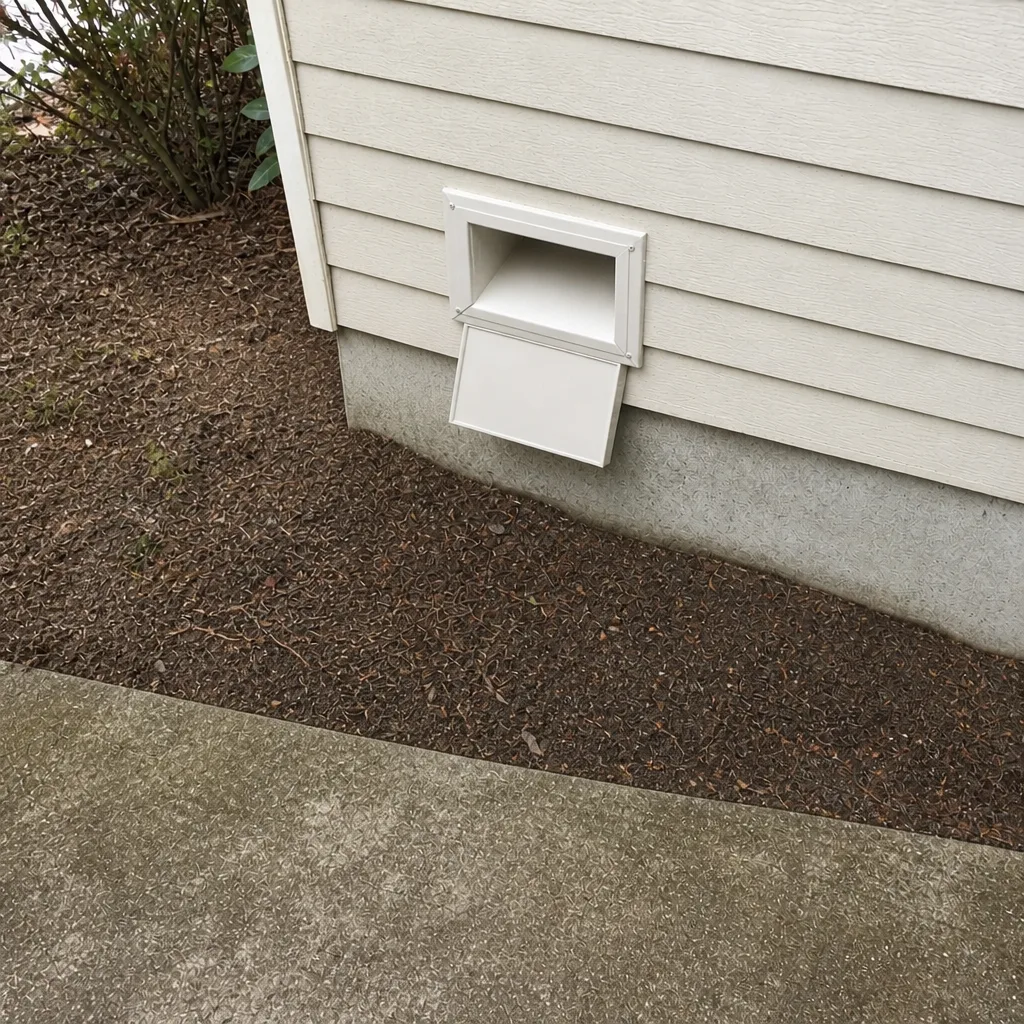 After
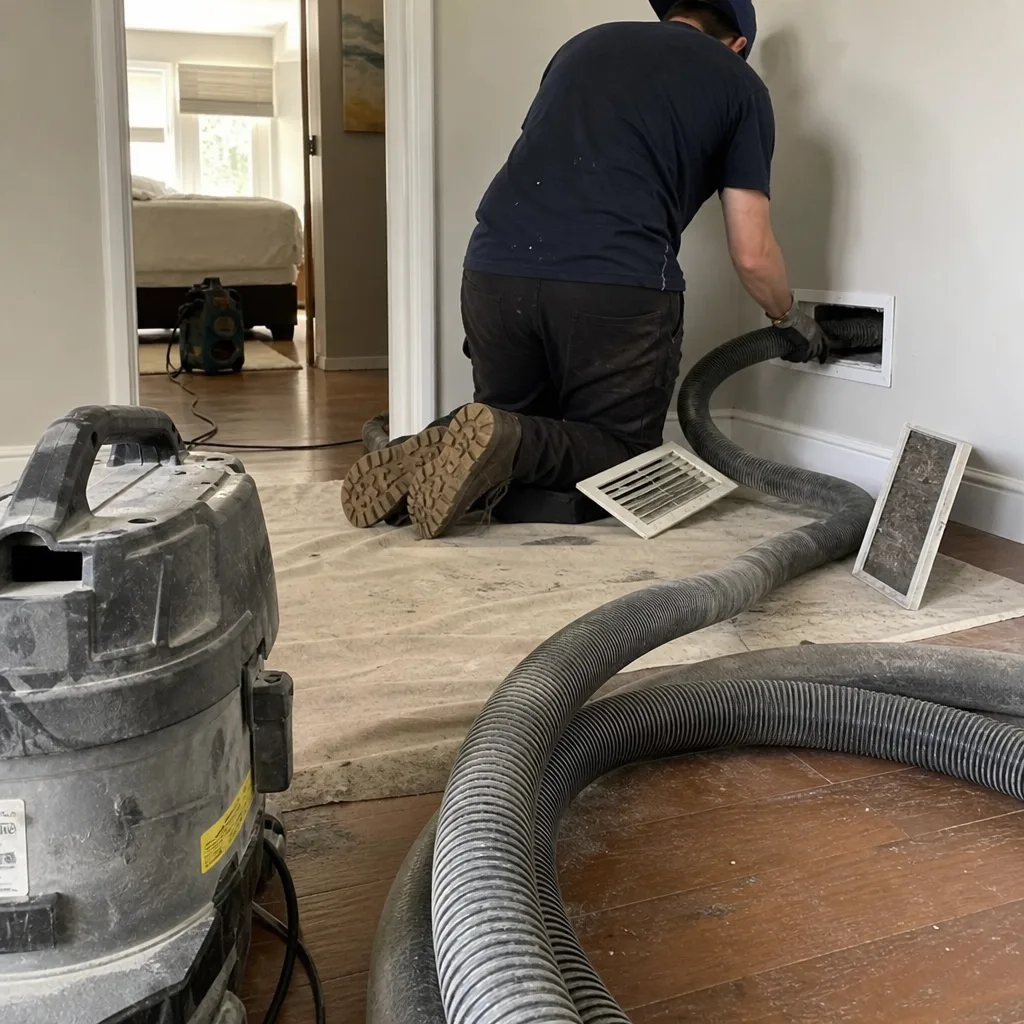 Before
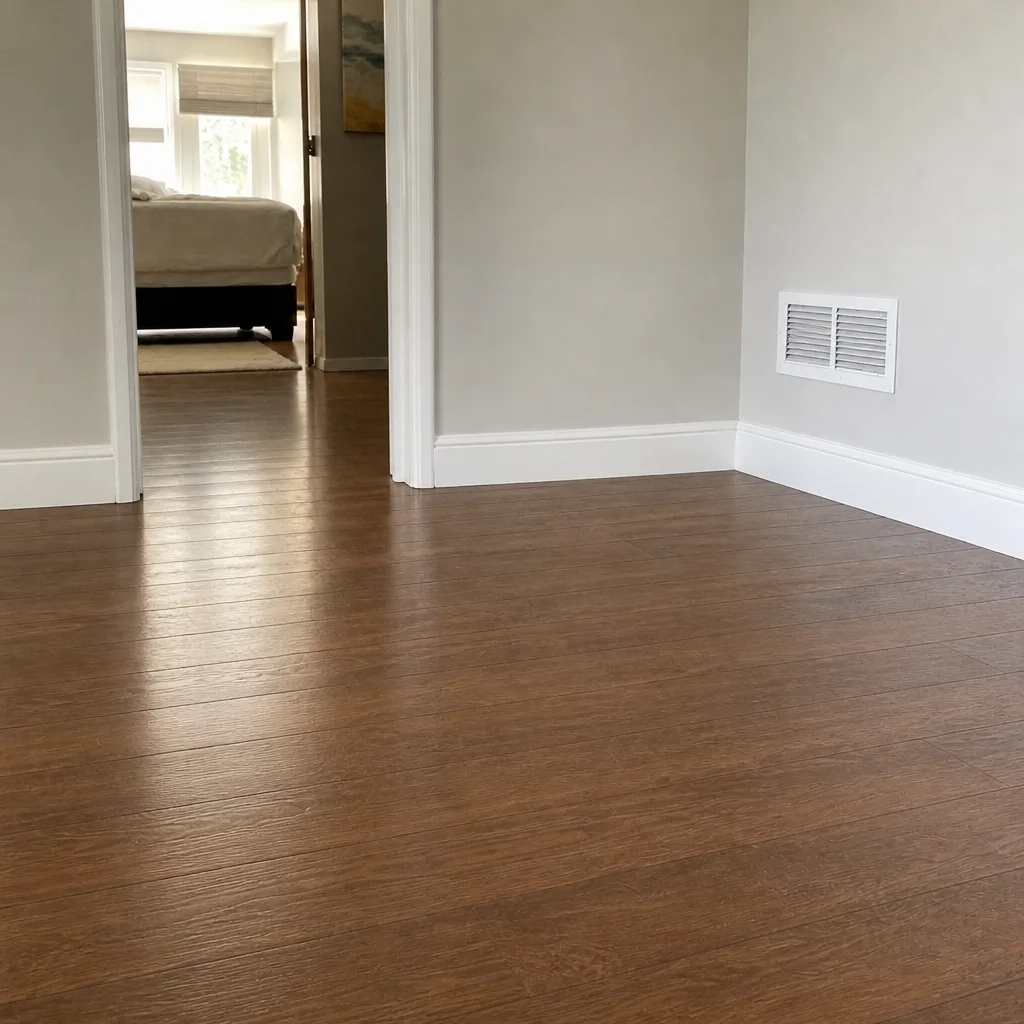 After
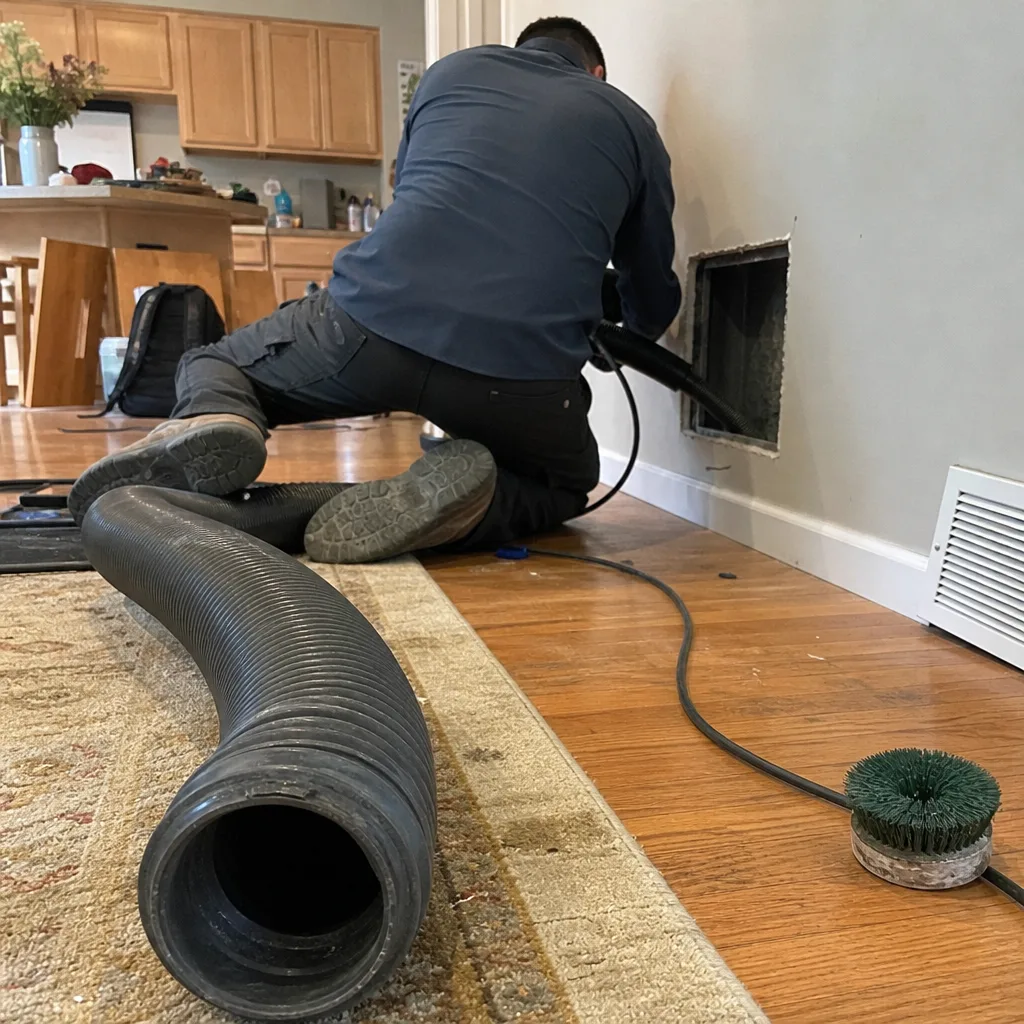 Before
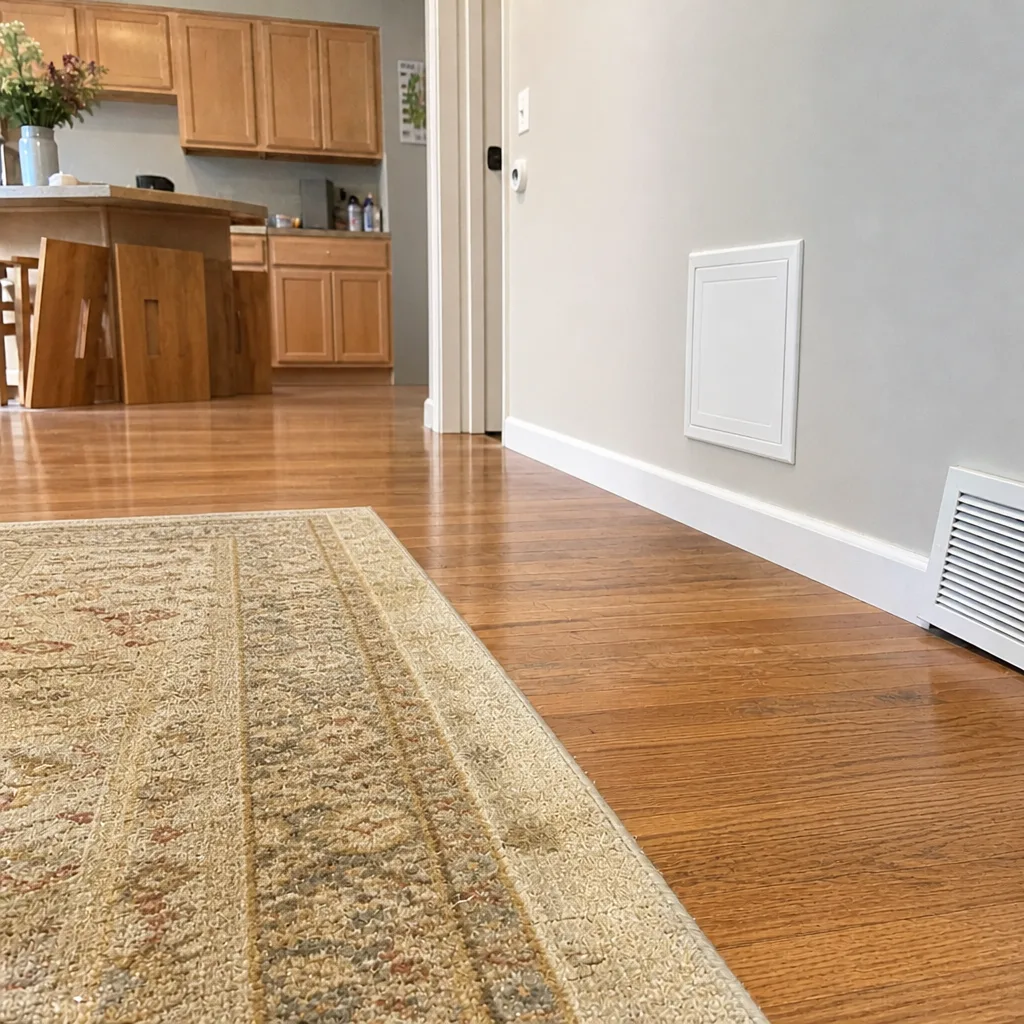 After
When to Call a Professional
Call for anything that involves opening the duct system, working inside the air handler, or touching electrical components. Call when you’re noticing uneven airflow, a persistent dust problem, or a musty smell that returns after cleaning. Call before you buy a home where the HVAC or duct system has documented work you can’t verify. And call if a dryer vent is taking longer than usual to dry clothes, or the outside vent flap isn’t releasing lint freely.
The line between maintenance and construction is where a lot of costly mistakes happen, and it’s worth a conversation before the work starts. Kent Air Duct Cleaning Pros offers free estimates in Kent. Call (855) 550-7709. We answer 24/7. Fast dispatch from 7am to 7pm, Sunday through Friday. We’ll walk through what your system actually needs and where the permit line falls.
Frequently Asked Questions
No. Routine duct cleaning is maintenance, and it doesn’t trigger a mechanical permit in Kent or King County. Cleaning removes debris from a system that stays structurally unchanged. Permits come into play when the work modifies the system – replacing duct sections, changing the air handler, or installing equipment like UV lights or powered filtration that ties into the HVAC system.
Usually yes. Replacing duct sections, adding or relocating registers, or modifying the air handler typically requires a mechanical permit through King County. The exact requirement depends on the scope, so the written scope should state who pulls the permit and confirm that inspections will be coordinated. Call (855) 550-7709 for an exact quote and to talk through the scope.
Often, yes. UV purification systems and powered filtration units typically involve electrical connections, which means an electrical permit, and integrated equipment may trigger a mechanical permit. That’s why the installation scope should be documented clearly, and it’s why we recommend working with a contractor who handles permit responsibility as part of the job.
Use the Washington Department of Labor & Industries contractor registration lookup. Confirm the registration is active, and ask which classification covers the specific work being quoted. Cleaning, mechanical work, and electrical work fall under different classifications, and the one that applies should match the job. Ask for a certificate of insurance as well.
The written scope should describe the exact work, list materials, separate cleaning from any repair or modification, name who pulls the permit if one is needed, and include the contractor’s registration number. For a cleaning-only job, the scope should say so plainly. Keep a copy with your home records in case questions come up later.
Check the county permit record for the address. If work was done without a permit, ask King County what’s required to bring it into compliance before a future sale. An inspector’s assessment is more reliable than a guess, and the cost of resolving it now is usually lower than resolving it under a deadline.
The Bottom Line
The line is simpler than it looks once you’ve seen it drawn. Cleaning is maintenance; modifying is construction. In Kent, that distinction separates a job with no paperwork from a job that needs a permit, an inspection, and a licensed contractor on the right side of Washington’s mechanical code. Every piece of duct system work sits on one side or the other. Ask which side before the work starts, get the scope in writing, and verify the contractor’s registration. That’s all it takes. If you’re not sure where your system falls, that’s the right question to ask before anything gets cut, wired, or sealed.
Written by the team at Kent Air Duct Cleaning Pros.