
Last updated November 23, 2026
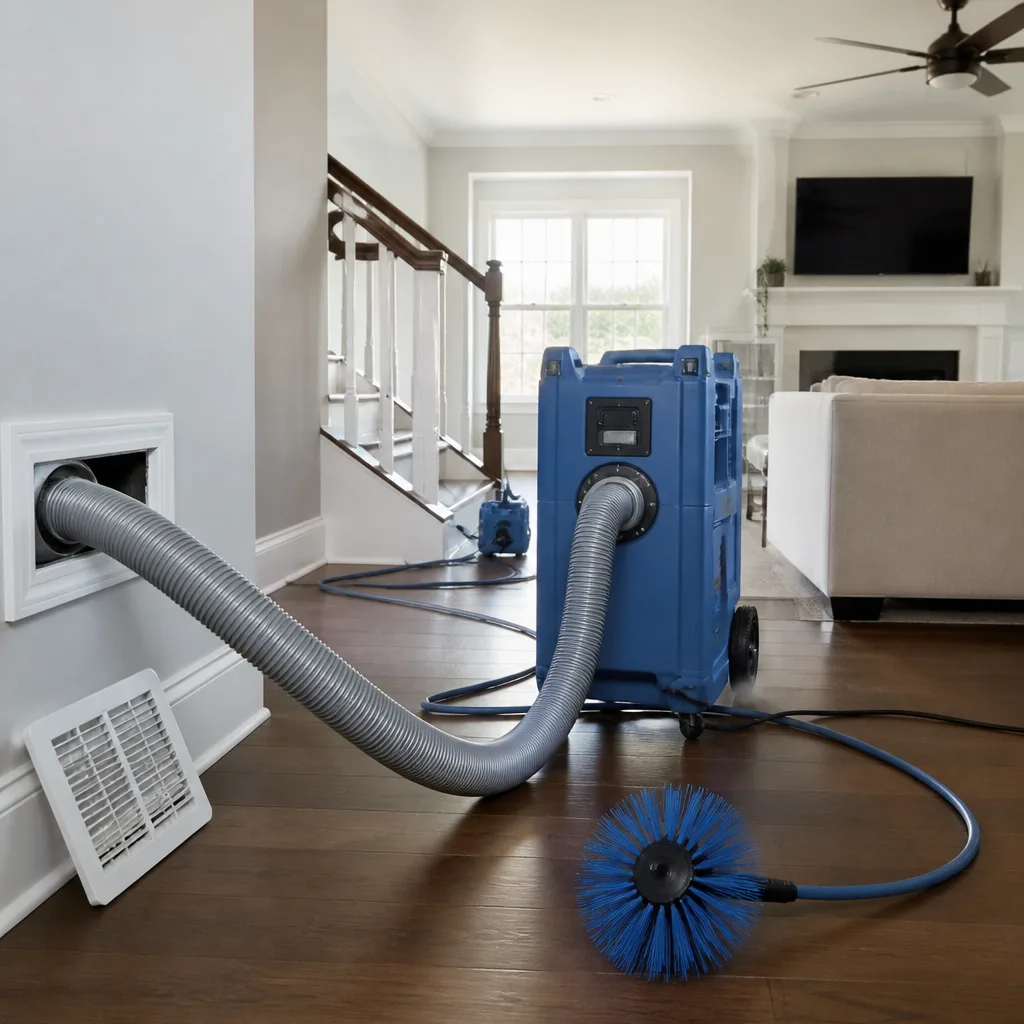 Whole-home duct cleaning
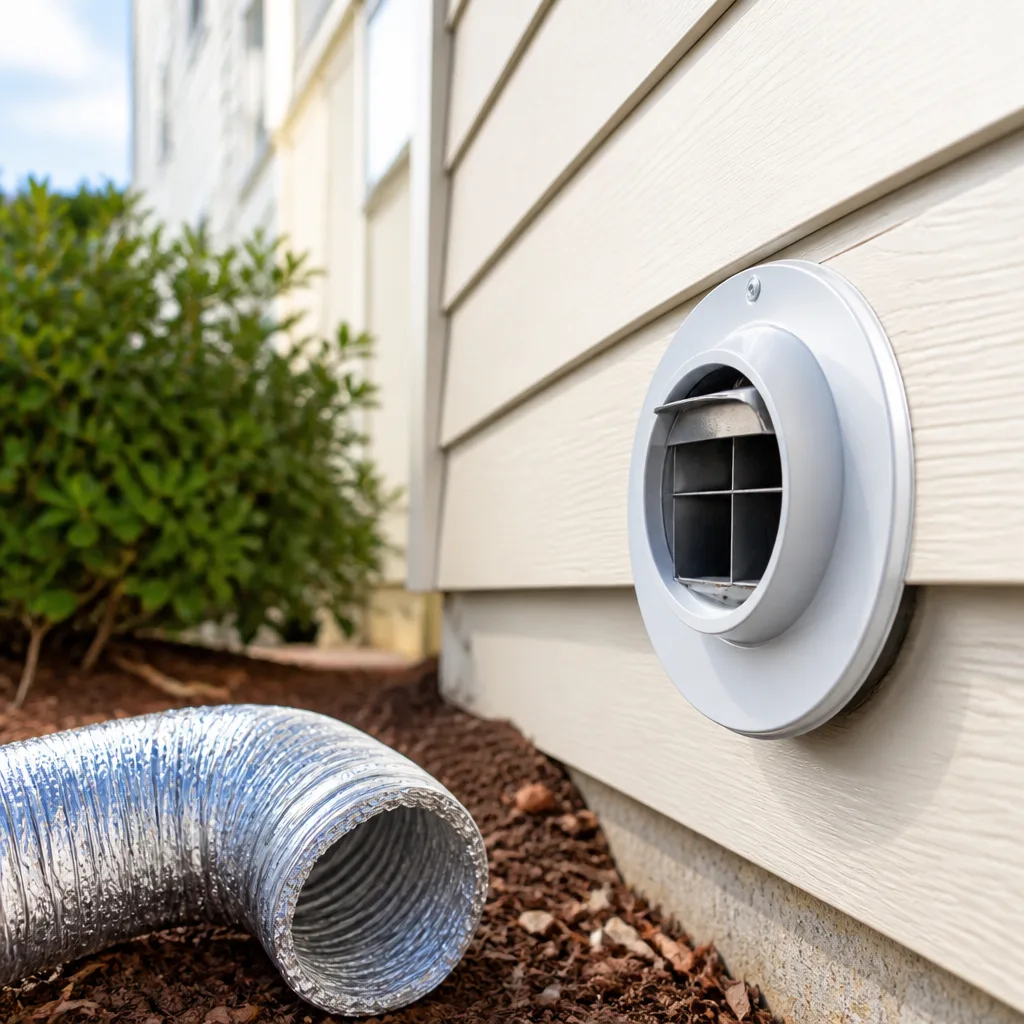 Dryer vent cleaning
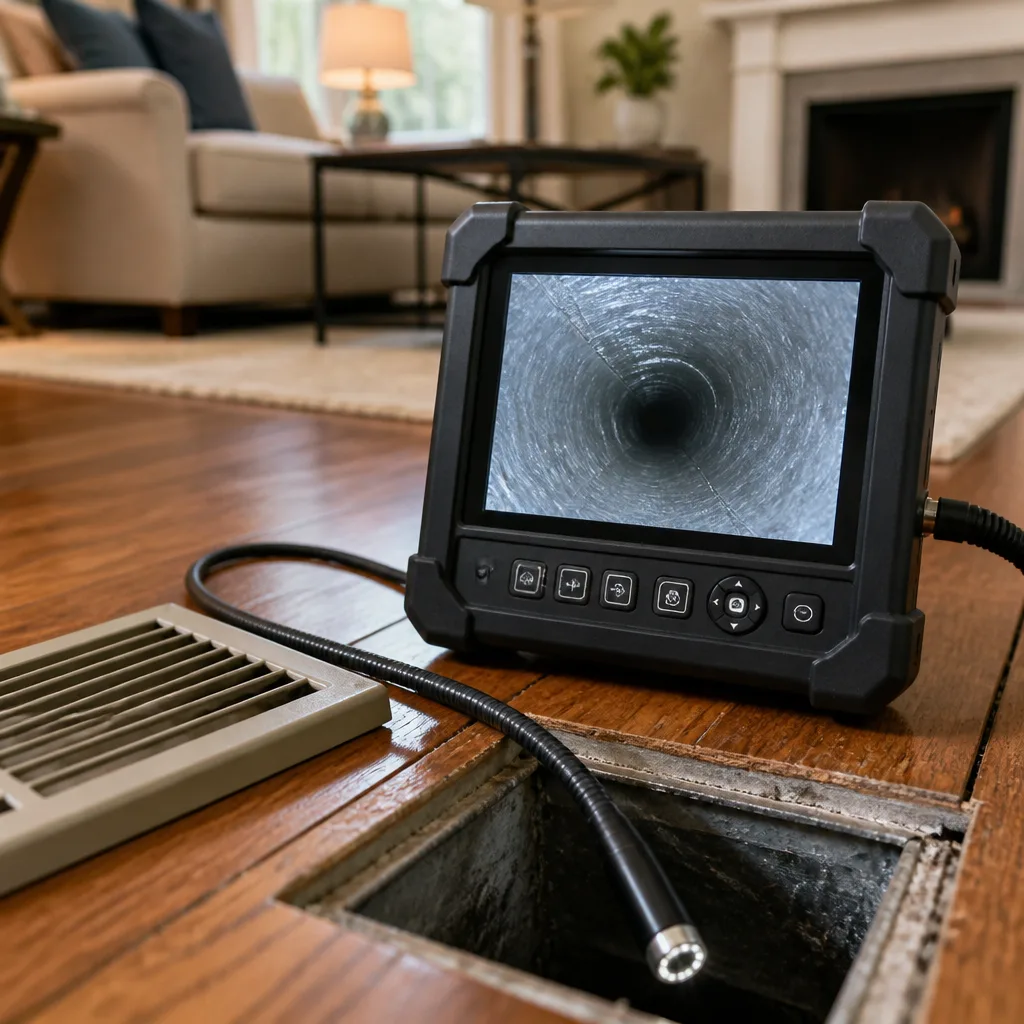 Camera inspection
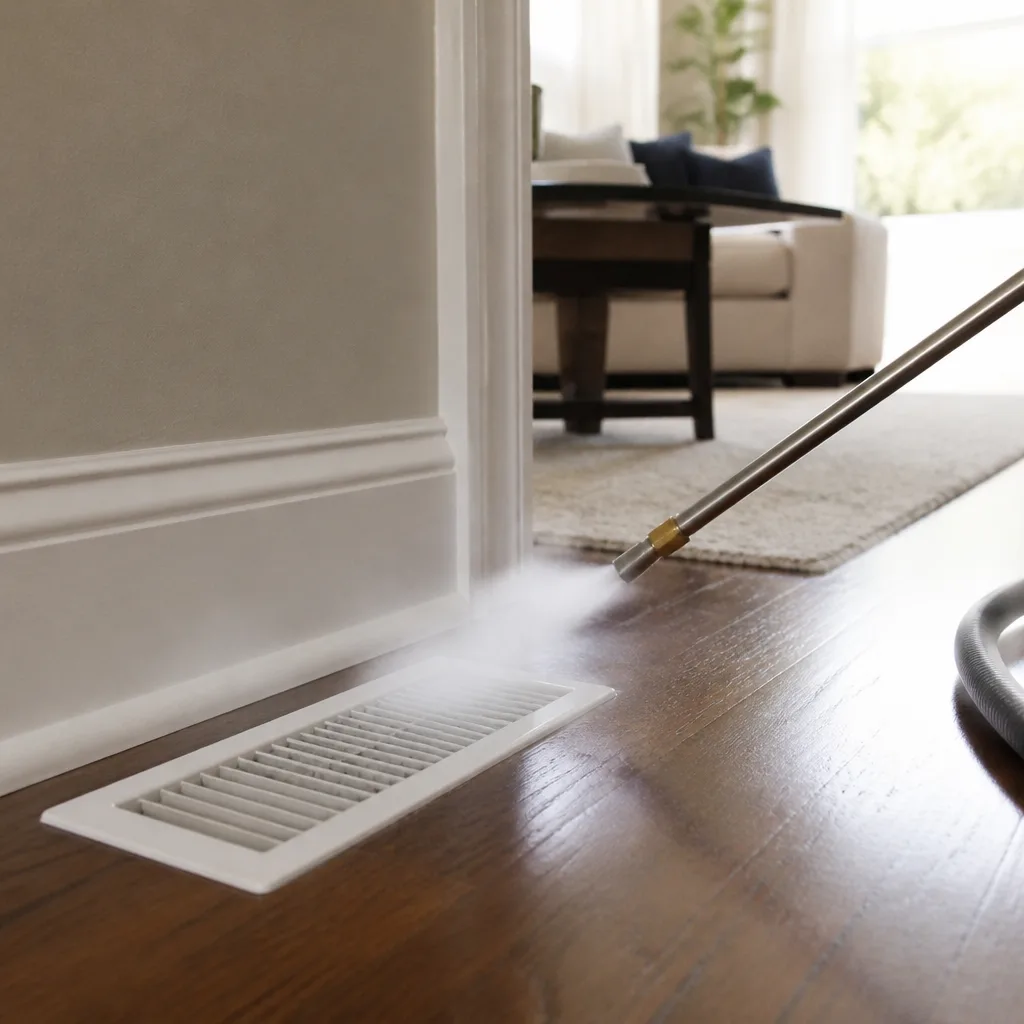 Sanitizing & deodorizing
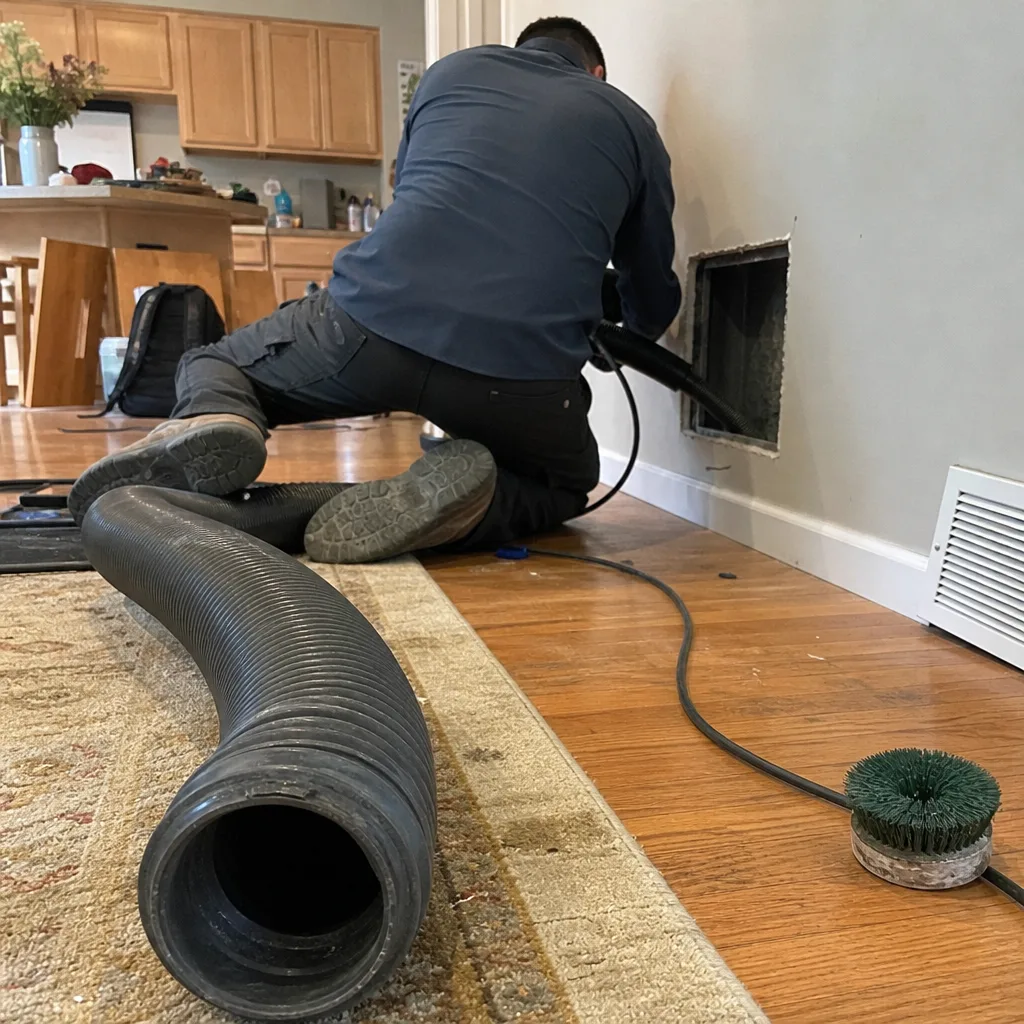
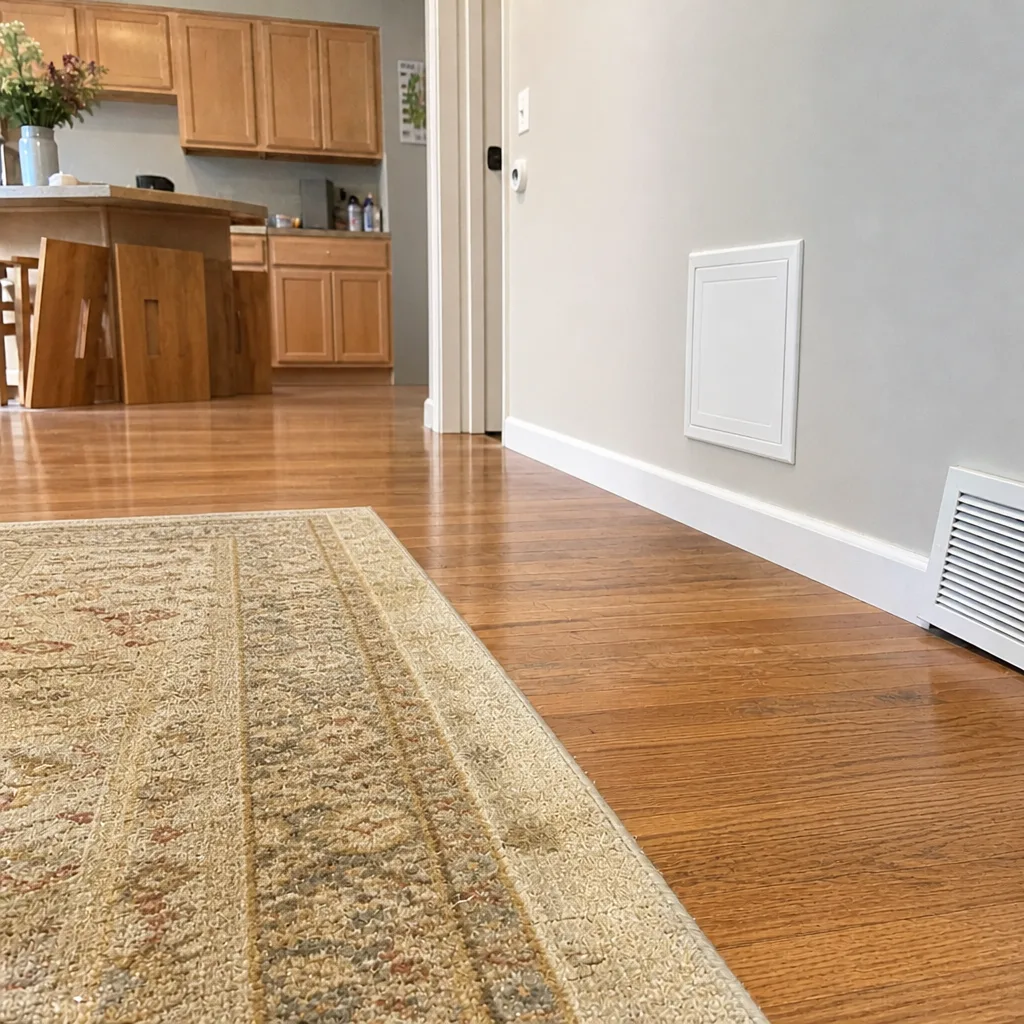
Whole-system duct and dryer vent check with before-and-after photos - you see exactly what came out of your vents
That "$99 whole-house special" is a bait ad - the real number appears once they are in your hallway, or the "clean" is a shop-vac at the register. We photograph the inside of your ducts before and after instead.
Air Duct Cleaning Emergency Preparedness Guide for Kent Homes
Most homeowners think of duct contamination as something that builds slowly, season after season, and gets handled when the to-do list finally reaches it. That’s the wrong model for Kent. The bigger risk here is the single-event contamination: a smoke plume that parks over the valley for a week, a burst supply line that soaks the crawlspace, or a shake that separates a flex connection behind a wall you never open. Each of those can load a duct system with material faster than years of ordinary use.
During the 2020 Western Washington wildfire smoke event, homes with MERV-8 or lower filters that kept running their HVAC systems for air circulation effectively spread fine particulate matter through the whole duct system. The contamination didn’t show up for weeks. This guide covers the pre-event steps, the response windows, and the post-event decision points that matter for a Kent home.
Styles & brands we work with
- Whole-home duct cleaning
- Dryer vent cleaning
- Camera inspection
- Sanitizing & deodorizing
Quick Answer
Air duct emergency preparedness in Kent means three things: upgrade your filter and know how to shut down forced-air circulation before smoke or flood water enters the system, respond to water intrusion inside a 48-to-72-hour window before microbial growth becomes likely, and inspect duct connections and any HVAC components near gas lines before restarting after an earthquake. Document your duct system’s baseline condition now, with photos and a written record, so an insurance claim or a remediation decision after an event rests on evidence instead of memory.
Table of Contents
- Wildfire Smoke Protocol: When to Shut Down Forced-Air Circulation
- Filter Upgrades to Make Before the Next Smoke Event
- Flood and Water Intrusion: The 48-to-72-Hour Window
- Post-Earthquake Duct and HVAC Inspection Priorities
- Pre-Event Preparedness Steps for Kent Homeowners
- How to Document Your Duct System Before an Emergency
- When Cleaning Becomes Remediation
- Common Mistakes to Avoid
- When to Call a Professional
- Frequently Asked Questions
Wildfire Smoke Protocol: When to Shut Down Forced-Air Circulation
Smoke season in the Puget Sound lowlands creates a specific problem: the air outside is worse than the air inside, but the instinct to keep the furnace fan running for circulation is exactly backwards. A forced-air system moves air through return ducts, across a filter, and back out through supply registers. Every pass pulls more particulate into the ductwork, and whatever the filter doesn’t catch settles on duct interiors where it can be re-entrained for months. The protocol is simpler than most people expect.
- Watch for the visible signal. When you can smell smoke indoors or the sky takes on that flat orange-brown cast, treat it as an active event.
- Set the thermostat to fan-off, not fan-on. Continuous circulation is the wrong choice during a smoke event, even though it’s the right choice for most other indoor air problems.
- Close windows and exterior doors and seal gaps around window air units. Window units that pull outside air should be off entirely.
- Run a standalone HEPA room air cleaner in the room where you spend the most time. This cleans the air without moving it through the duct system.
- Keep the system off until the smoke clears for a sustained period. A single good afternoon doesn’t end the event; the plume can return.
When smoke clears, the question is whether the ducts need cleaning. In our experience, the decision rests on three factors: how long the event lasted, whether the system ran during it, and what filter was installed. A home that ran a MERV-8 filter through a week-long smoke event will typically have visible fine gray-brown deposits on duct interiors near the registers. A home that shut the system down and relied on a room cleaner usually won’t. Inspection, not assumption, settles it.
The Kent valley’s geography matters here. Smoke that settles into the lowlands on calm days can linger after the surrounding hills have cleared, so watching a regional air quality map is less useful than watching what’s actually happening outside your own windows. Homes in valley-floor neighborhoods like the Kent East Hill lower slopes or the flats near the Green River often see smoke hang longer than homes up on the plateau. That doesn’t change the protocol, but it does mean the wait-for-clear step can take a day or two longer.
Filter Upgrades to Make Before the Next Smoke Event
The filter is the single most important piece of hardware in a smoke event, and the standard builder-grade filter most Kent homes run is close to useless against fine particulate. Upgrading before the event, not during, is the practical move. The residential standard is a pleated filter rated MERV-13 or better for smoke particulate, but the filter has to match your system’s airflow capacity or you’ll trade air quality for equipment strain.
- MERV-8: what many homes have. Catches larger dust and pollen, lets most smoke particulate straight through to the ducts and the air you breathe.
- MERV-11: a meaningful step up with little airflow penalty. A reasonable middle ground for older systems.
- MERV-13: the target for smoke preparedness in most residential systems. Catches the fine particulate that makes smoke a health concern. Check your system’s static pressure rating before installing one.
- MERV-16 and cabinet-style media filters: appropriate for some systems, but require a compatible filter cabinet and professional sizing. Not a swap-in choice.
Filter housing itself matters. A filter that doesn’t seat tightly in its slot lets unfiltered air bypass it entirely, which defeats the rating. If the filter frame looks warped or the slot has visible gaps, that’s a repair, not a filter problem. Honeywell and Aprilaire media filter cabinets are the two product lines we work with when a customer needs filtration that goes beyond a standard slot filter, and both are worth discussing during a service visit before smoke season rather than after.
Buy the next filter size up now and store it in the garage. Filters disappear from shelves fast once a smoke event begins, and the week you need one is the week you can’t get one. Replacing a filter takes a minute; finding one during an event can take a day of driving. Keep a spare and write the install date on the edge with a marker.
Flood and Water Intrusion: The 48-to-72-Hour Window
Water in a duct system is a different category of problem than dust or smoke. Duct interiors that stay wet for more than roughly 48 to 72 hours create conditions where microbial colonization becomes likely, and once that colonization establishes itself, cleaning a duct back to a sanitary condition is no longer the right answer. The ducts need to be dried fast, assessed, and in serious cases treated as remediation rather than routine cleaning. The window is short and the response has to be coordinated.
- Stop the water source. Shut the supply line or the appliance feeding the leak, and shut off the HVAC system.
- Get standing water out of the duct runs. That means a wet-vac on accessible sections, and pulling the register grilles to check each run.
- Move air through the system to dry it. Fans and dehumidifiers, doors and windows open when outdoor humidity allows. This is the step most homeowners skip; sitting wet ductwork doesn’t dry on its own.
- Check for soaked insulation. Interior duct liner and exterior wrap both hold water. Saturated liner usually needs to be replaced, not dried, because it stays damp against the metal.
- Get the system inspected within 72 hours. In Kent, where a rainy season can mean weeks of high outdoor humidity, the indoor drying problem is harder than in dry climates, and the window closes faster than most people expect.
Kent’s flood risk is real. The Green River runs through the valley, and low-lying neighborhoods near the river corridor and the Mill Creek drainage see periodic high-water events. Burst supply lines and failed water heater pans are more common causes of duct intrusion than river flooding, but both put a duct system in the same short window. A wet-dry shop vac and a dehumidifier stored where you can find them matter more than most people realize.
The question of when cleaning becomes remediation is the one homeowners get wrong most often. Standard air duct cleaning removes accumulated debris and restores airflow. Remediation is a different scope: containment under negative air pressure, HEPA filtration of the exhaust, antimicrobial treatment where appropriate, and verification that the system is dry and clean before reassembly. Professional equipment matters here. Abatement Technologies negative air machines are the containment tool we use because they hold the dust and biological material inside the system during the work rather than releasing it into the room.
Post-Earthquake Duct and HVAC Inspection Priorities
A shake doesn’t have to be severe to separate a flex duct from a boot or crack a seam in the trunk line, and a separated duct connection is an efficiency loss at best and a contamination pathway at worst. The inspection order matters, because some things have to be confirmed before the system is restarted and others can wait.
- Confirm no gas odor before anything else. Smell gas or hear hissing near the furnace or water heater, get out and call the gas utility. Do not restart anything.
- Inspect the furnace and any HVAC component adjacent to gas piping. Look for bent flue pipe, displaced vent connectors, and pipes pulled out of alignment. The flue has to be intact and correctly pitched before combustion restarts.
- Check flex duct connections at the boot and the plenum. Flex runs are the most likely to separate, especially in crawlspace and attic installs where there’s nothing holding them in place but a zip tie or a band.
- Look at the trunk line and branch seams. Sheet metal doesn’t usually fail outright, but taped or mastic-sealed seams can open. Any visible separation is a leak.
- Confirm the filter and blower are clear of fallen debris. Attic insulation, dust, or broken material can drop into the return.
- Only then restart the system. If anything looks wrong, run the blower off and call for an inspection.
Duct repair and sealing is directly relevant here, and it’s worth knowing that the problems an earthquake inspection turns up can be fixed on the spot rather than documented and referred elsewhere. Sealing a separated flex connection or re-mastic’d trunk seam is a quick repair that turns a post-earthquake inspection into a resolution. In our experience, the homeowners who end up frustrated are the ones who got a report and a phone number for someone else, not a repaired system.
Pre-Event Preparedness Steps for Kent Homeowners
The productive time to think about duct emergencies is before they happen. Four steps take a Saturday afternoon and cover most of what you’d otherwise be scrambling to figure out during a smoke event, a flood, or a shake.
- Upgrade and stock filters. A MERV-13 pleated filter that fits your slot and one spare on the shelf. If your system can’t handle MERV-13 airflow, a MERV-11 is a step up from builder grade and worth having. Use the same sizing as the current filter; the label on the old one is the reference.
- Make accessible duct joints actually accessible. If a crawlspace hatch is painted shut or an attic access is buried behind stored boxes, address that now. An emergency inspection is not the moment to be moving a Christmas tree out of the way.
- Learn the system shutdown procedure. That’s two things: the thermostat fan setting to “off” (not “auto,” which still runs on call), and the furnace breaker in the panel. Mark the breaker with a piece of tape and a label.
- Store a wet-vac and a dehumidifier where you can reach them. Basement or garage storage is fine, but they shouldn’t be behind a wall of bins.
One step beyond the basics: know which of your ducts run through unconditioned space. In Kent, that’s typically the crawlspace, the attic, or a garage wall. Ducts in unconditioned space are the ones exposed to outside air, to water intrusion during a flood, and to temperature extremes that make condensation a concern. If you know where those runs are before an emergency, you know where to look first. A quick walk-through with a flashlight to trace each register back to the trunk line is worth doing once.
Also worth doing before the next smoke event is a baseline full-system visit. A HVAC cleaning before the event means a cleaner system that starts from a clean baseline, so the post-event decision is easier. A dirty system run through a smoke event is a bigger job than a clean system that had the same exposure.
How to Document Your Duct System Before an Emergency
Insurance claims and remediation decisions rest on evidence. A photo taken after a flood argues for a scope; a photo taken before it establishes what was already there. The baseline set of images and notes takes half an hour and can make the difference between a documented claim and a contested one.
- Photograph the furnace and air handler from multiple angles. Include the data plate with model and serial numbers, the filter slot with the current filter in place, and the flue connection.
- Photograph every visible duct run. That means attic runs if you can safely look, crawlspace trunks and branches, and any exposed basement ductwork. Get the whole run in one frame where possible, then a close-up of each joint.
- Photograph each register and return grille. Grille in place, then grille removed with the duct throat visible. Note the room name and location.
- Check the dryer vent run. Photograph the back of the dryer, the vent pipe to the wall, and the exterior termination. Dryer vents are a fire-risk component that deserves its own record.
- Write a one-page summary. Date, who did the inspection, condition of each duct section in plain language, filter rating and size, and any existing leaks or damage. Store it with your insurance paperwork and email yourself a copy.
Repeat the baseline every few years, or after any significant work on the house. The record doesn’t have to be elaborate; clear photos and a note on the back are enough. The point is that if a smoke event or a flood produces a claim, you can show what condition the system was in beforehand. It also helps you decide honestly whether post-event cleaning is needed, because you have a before-state to compare against.
If you don’t want to climb into a crawlspace, professional documentation during a routine service visit is a reasonable alternative. Any company doing dryer vent cleaning or a full duct cleaning should be willing to provide before-and-after photos of the system as a matter of routine, and those photos double as your baseline record.
When Cleaning Becomes Remediation
Not every post-event duct problem is a remediation problem, but some are, and the distinction matters because the scope, the containment, and the verification steps are different. Here’s how to tell them apart.
- Smoke event, system ran, no water intrusion: standard cleaning. The material is dry particulate; the job is removal and HEPA containment during the work. No antimicrobial needed unless visible growth is present.
- Water intrusion, dried within 48 hours, no visible growth: standard cleaning with a moisture verification step at the end. Confirm the system is fully dry before reassembly.
- Water intrusion, wet for more than 72 hours, or visible microbial growth: remediation. This is containment under negative air pressure, HEPA exhaust filtration, removal and replacement of saturated liner where present, and treatment of surfaces as needed. Verification is part of the job, not an add-on.
- Water intrusion that reached the furnace or air handler: remediation plus an HVAC component inspection. Wet insulation inside the cabinet is a problem in its own right.
- Post-earthquake with separated connections: repair and sealing first, then cleaning if contamination entered through the open connection.
The equipment distinction is the one that decides whether the work actually gets done right. A shop vac and a hose is not remediation equipment. Rotobrush and Nikro systems are purpose-built professional duct cleaning equipment with HEPA-level containment, and Abatement Technologies negative air machines hold the dust and biological material inside the system while the work happens. A company that shows up without that kind of equipment is doing a different job than the one your post-flood situation calls for.
Common Mistakes to Avoid
- Running the furnace fan during a smoke event “for circulation.” It pushes smoke particulate through the duct system and then back into every room. Fan off, windows closed, room air cleaner on is the right sequence.
- Waiting to see if wet ducts dry on their own. They usually don’t. The 48-to-72-hour window closes faster in Kent’s humid spring and fall than it does in a dry climate, and a wet duct run is far more expensive to address after microbial growth establishes.
- Restarting the HVAC after an earthquake without checking flex connections. A separated flex run at the plenum is an efficiency problem and a contamination pathway, and it takes five minutes to check.
- Treating a shop-vac and a hose as post-flood remediation. Standard cleaning equipment is fine for dry debris and wrong for biologically contaminated material. Containment equipment is not optional in a remediation scope.
- Skipping the pre-event photo baseline. An insurance claim or a scope decision after an event runs on evidence. Half an hour of photos and a one-page written record before the event is worth more than an hour of arguing after it.
- Swapping in a MERV-16 filter without checking airflow capacity. High-efficiency filters can starve a system blower of airflow and strain the equipment. MERV-13 in a properly sized filter is usually the right ceiling for residential ducted systems without a cabinet upgrade.
- Forgetting the dryer vent in a flood or smoke response. The dryer vent is a separate run with its own fire-risk profile. Any post-event inspection that skips it misses a fire hazard.
When to Call a Professional
Some of this work is homeowner-level. Shutting off a breaker, changing a filter, taking photos, and pulling a register grille are all fine to do yourself. Other parts call for professional-grade equipment and, in the visible-or-suspected-growth scenarios, a licensed remediation scope.
Call us when you’re not sure whether the smoke contamination reached the duct interiors, when there’s been water intrusion into a duct run (especially if it stayed wet for more than 48 hours), when an earthquake has left you unsure about the flex connections and equipment adjacent to gas piping, or when your pre-event baseline isn’t something you want to do yourself. Kent Air Duct Cleaning Pros offers free estimates in Kent. Call (855) 550-7709. We answer 24/7. Fast dispatch from 7am to 7pm, Sunday through Friday. Our technicians have up to 13 years of experience, and the local pro who comes out is licensed and insured as their state requires, with one flat price per system agreed before work starts.
For more on the services that sit behind that response, see Kent Air Duct Cleaning Pros or explore the specific service scopes we offer. Every scope includes before-and-after photos of your own ducts, so you can see the work that was done and keep it with your insurance record.
Frequently Asked Questions
Typical residential air duct cleaning in the Kent area runs in the mid-hundreds for a standard single-family home, and the written estimate sets the final price. Drying and remediation after water intrusion costs more because the scope is larger. Call (855) 550-7709 for an exact quote – estimates are free.
No. Cleaning is not automatic after a smoke event. The decision depends on whether the system ran during the event, how long the smoke lasted, and what filter was installed. A system that was shut down with a room air cleaner running usually doesn’t need a cleaning; a system that ran a MERV-8 filter through a week-long event often does. An inspection settles it. Call (855) 550-7709 for an exact quote – estimates are free.
Roughly 48 to 72 hours of wetness is the window before microbial colonization becomes likely, and after that point cleaning becomes remediation rather than routine duct cleaning. Stop the water, extract standing water, and move air through the system immediately. Call (855) 550-7709 for an exact quote – estimates are free.
Check the flue and any HVAC components adjacent to gas piping first, before anything else. Then look at flex connections at the boot and plenum, trunk line seams, and the filter and blower for fallen debris. Don’t restart the system until the equipment next to the gas line has been verified. Call (855) 550-7709 for an exact quote – estimates are free.
MERV-13 is the target for most residential systems in smoke-prone regions, provided the system can handle the airflow resistance. MERV-11 is a reasonable middle ground for older systems. A MERV-16 filter requires a compatible cabinet and professional sizing; don’t swap one into a standard slot. Call (855) 550-7709 for an exact quote – estimates are free.
Cheap quotes usually mean cheaper equipment and a smaller scope: a shop vac rather than a HEPA-contained Rotobrush or Nikro system, no containment under negative air pressure, and no verification at the end. A post-flood remediation job done with the wrong equipment leaves contaminated material behind and can make the problem worse. Our written estimate is set per system before any work starts, with before-and-after photos of your own ducts. Call (855) 550-7709 for an exact quote – estimates are free.
The Bottom Line
The four events that most threaten a Kent duct system are smoke, water, earthquake shake, and dryer vent fire risk, and each has a short response window that rewards preparation over reaction. Filter upgrade and a stored spare before the next smoke event, a dehumidifier and wet-vac for water intrusion, a shutdown procedure and an inspection order for post-earthquake, and a baseline photo record kept with your insurance paperwork. Those steps take hours and cover most of the emergencies a Kent home is likely to face. The pieces that need professional equipment are the cleaning, the repair and sealing, the dryer vent clearing, and any remediation scope. Call (855) 550-7709 for a free estimate. We answer 24/7. Fast dispatch from 7am to 7pm, Sunday through Friday. One flat price per system, agreed before work starts, with photos of your own ducts before and after.
Written by the team at Kent Air Duct Cleaning Pros.
See the difference
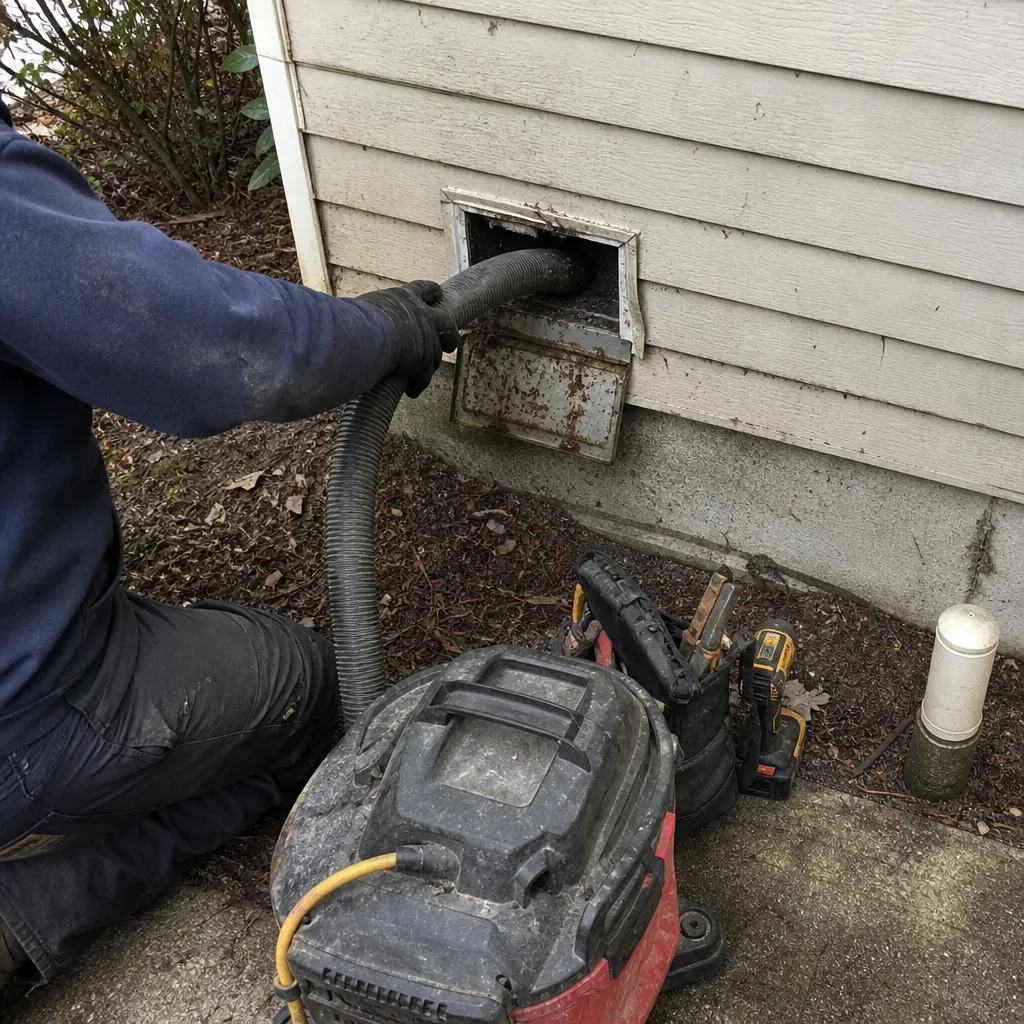 Before
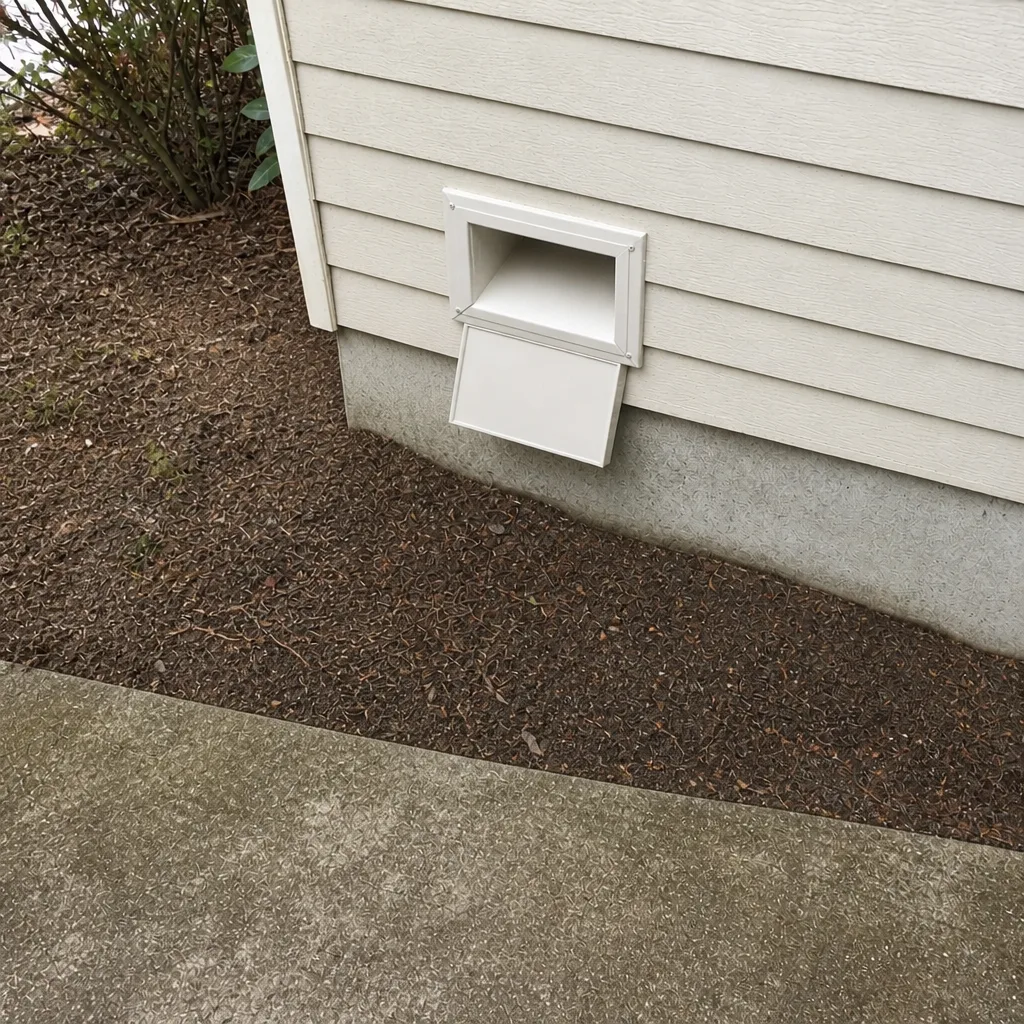 After
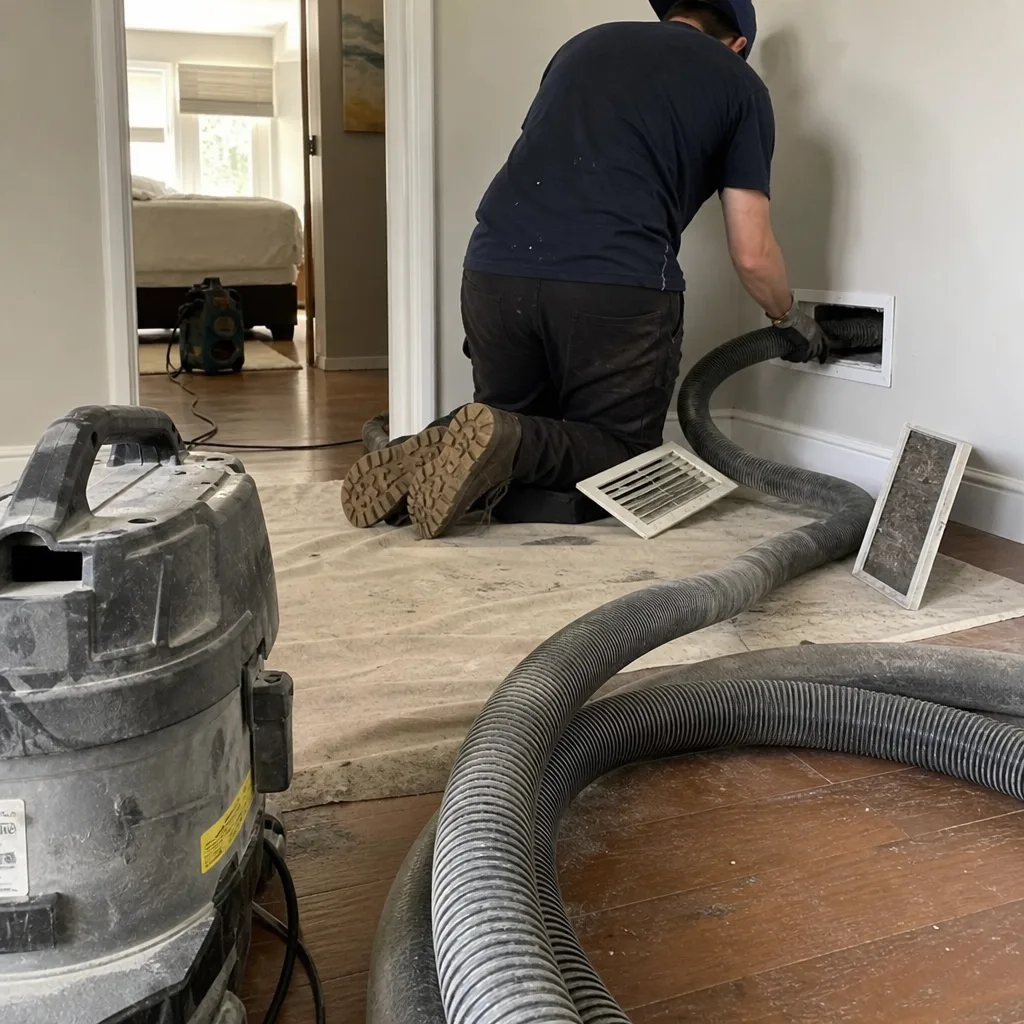 Before
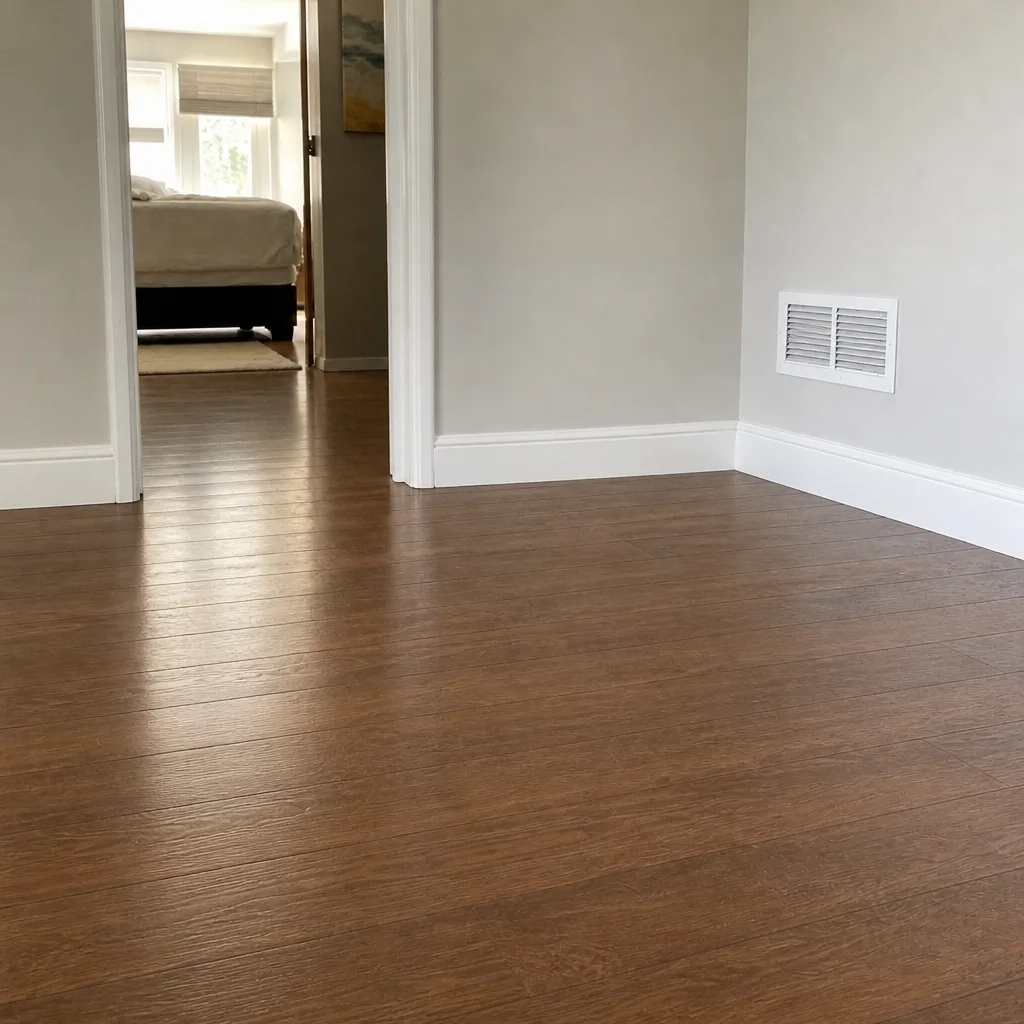 After
 Before
 After