
Last updated November 23, 2026
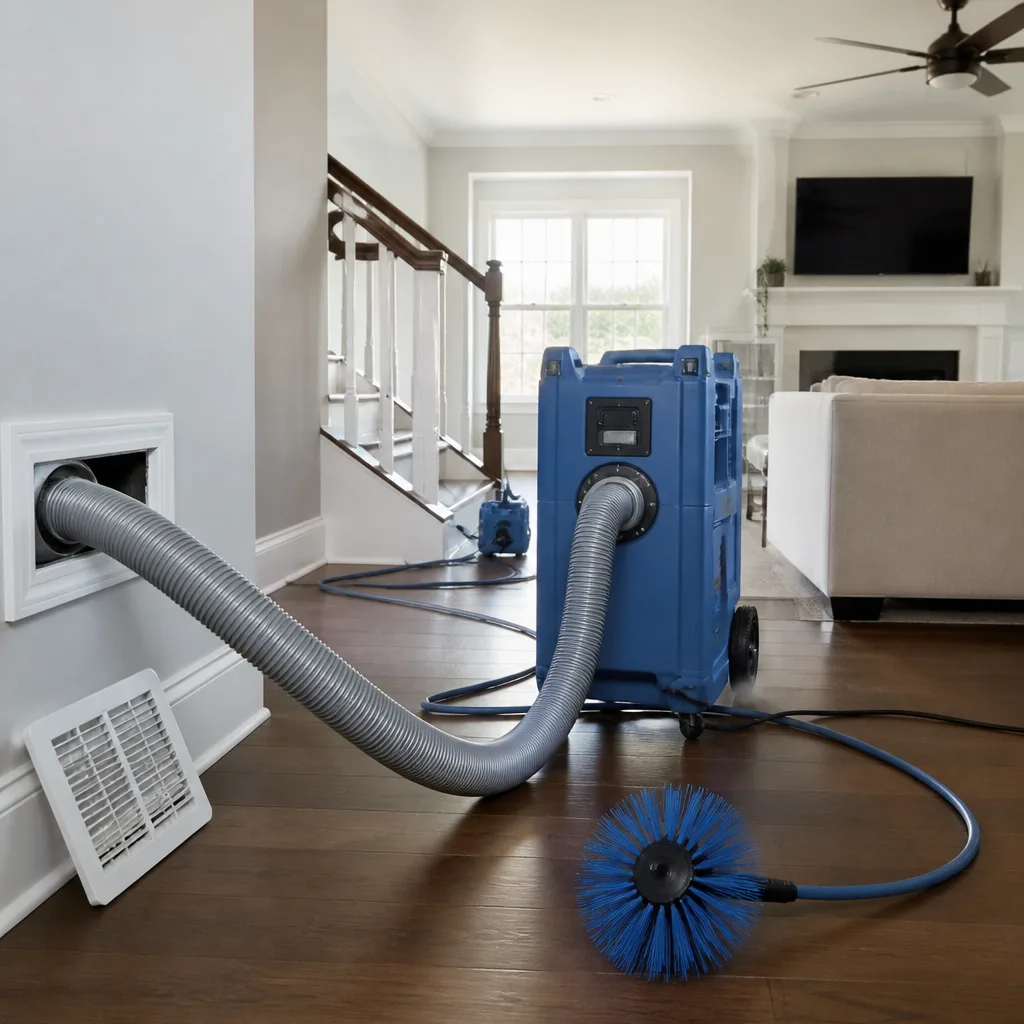 Whole-home duct cleaning
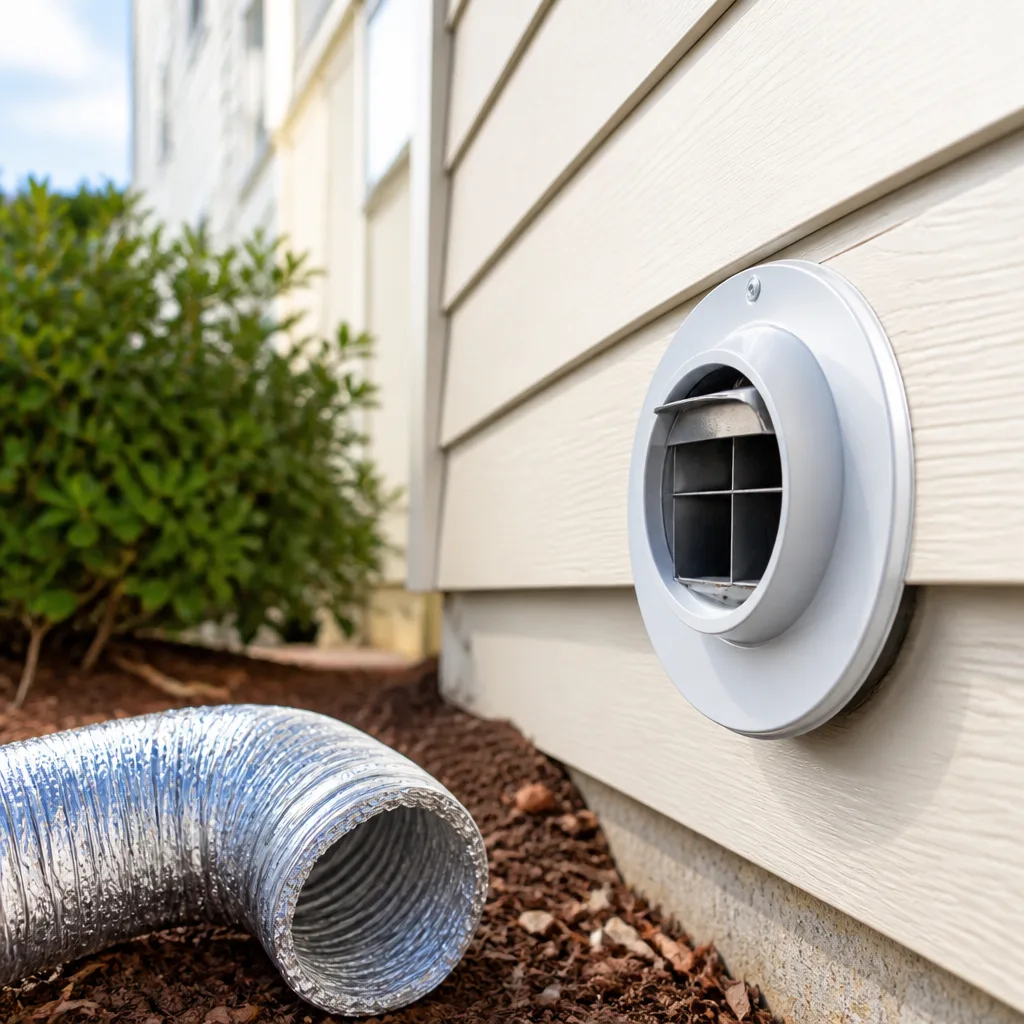 Dryer vent cleaning
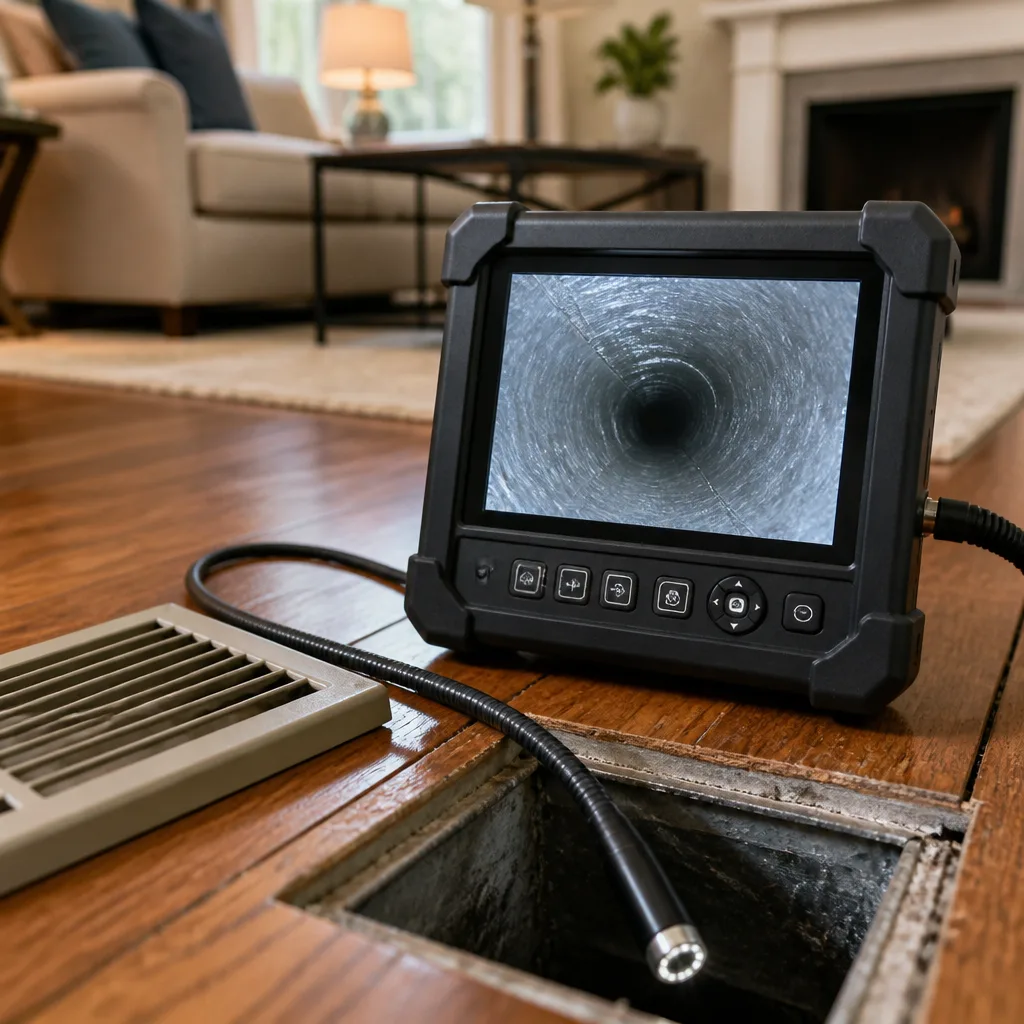 Camera inspection
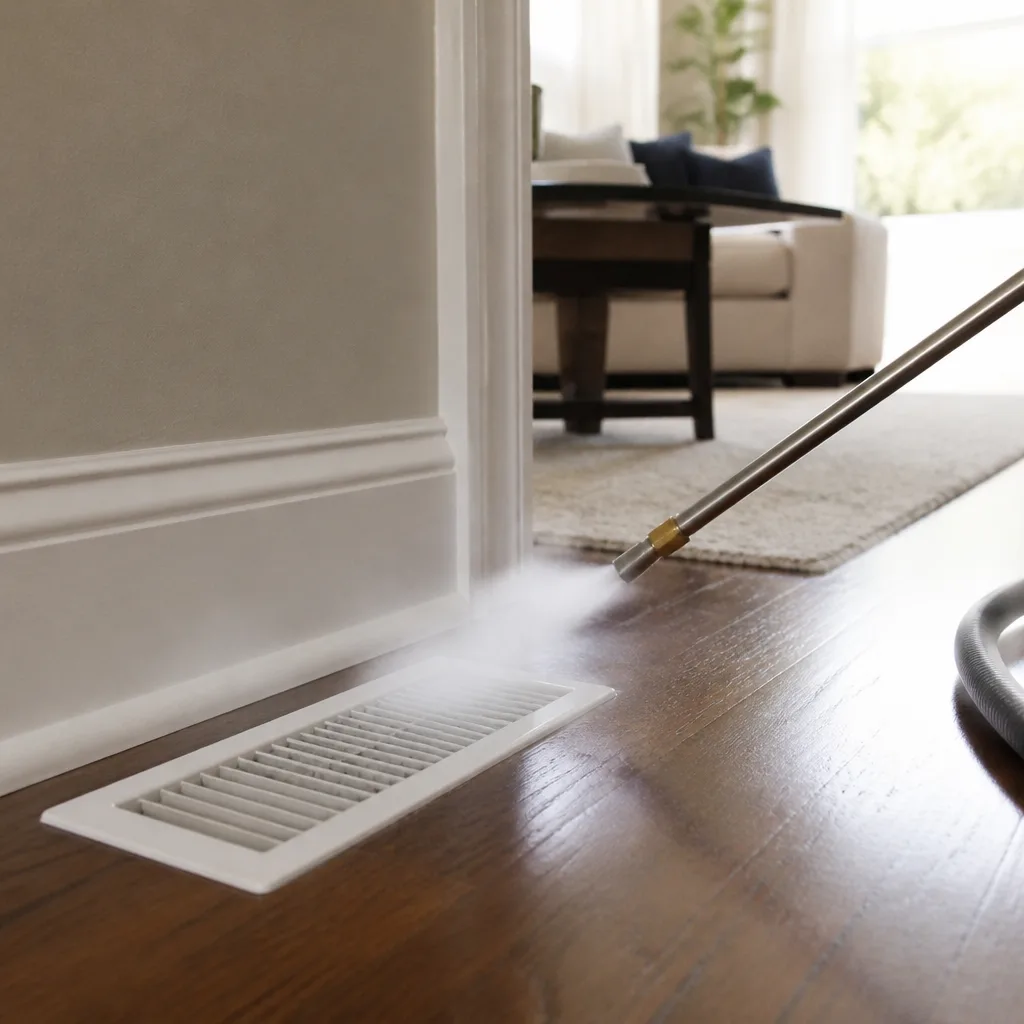 Sanitizing & deodorizing
Whole-system duct and dryer vent check with before-and-after photos - you see exactly what came out of your vents
That "$99 whole-house special" is a bait ad - the real number appears once they are in your hallway, or the "clean" is a shop-vac at the register. We photograph the inside of your ducts before and after instead.
Seasonal Air Duct Cleaning Care for Kent: Year-Round Homeowner’s Guide
Most homeowners treat duct cleaning as a box to tick once every few years, usually when a filter looks grey or a room stops heating evenly. That calendar is arbitrary. In Kent, the contamination load inside your ducts changes with the season, and what settles into the system in August is not the same material that builds up in November or March. Cleaning in January means you’re clearing a system that hasn’t yet run through the summer smoke season or the fall mold spike. This guide maps the actual seasonal cycle so you can time the work when it counts, adjust filters to match real conditions, and know what to inspect as each season turns.
Quick Answer
The best time to clean air ducts in Kent depends on what the system has accumulated. Late spring and early fall are the most useful windows for a full cleaning, because they sit between the two heaviest contamination seasons: summer wildfire smoke and fall mold spores. More important than a single date is matching filter changes, inspections, and cleaning to the seasons your system actually experiences.
Styles & brands we work with
- Whole-home duct cleaning
- Dryer vent cleaning
- Camera inspection
- Sanitizing & deodorizing
Table of Contents
- Spring: Construction Dust and the Post-Heating Inspection
- Summer: Wildfire Smoke and Recirculation Mode
- Fall: Mold Spore Spikes in King County
- Winter: Heating Startup and Combustion Byproducts
- Seasonal Filter Intervals, Not a Fixed Calendar
- Building a Year-Round Cleaning Schedule for Kent
- Dryer Vents: The Year-Round Fire Risk
- Signs Your Ducts Need Attention Before the Season Turns
Spring: Construction Dust and the Post-Heating Inspection
Kent has been an active development corridor for years, and spring is when that activity shows up inside your ducts. Ground breaks, foundations pour, and road work resumes across the valley. Fine silica and cement dust travel easily on the wind and enter a home through return grilles, door gaps, and the fresh-air intake some systems use. Once inside the return side, that dust coats blower wheels and evaporator coils. A blower wheel that carries a layer of grit moves less air per watt than a clean one, and the system works harder for the same output.
Spring is also the right moment to inspect the blower compartment. After a full heating season, the blower has pulled months of dust, pet hair, and lint across its fins. A technician opening the compartment in April or May sees what the winter deposited. Waiting until fall means running the air conditioner all summer with a fouled blower.
A spring walkthrough covers:
- Blower wheel and compartment: check for dust loading, lint matting, and debris that bypassed the filter.
- Return grilles and boots: confirm seals are intact so construction dust is not drawn in around the edges.
- Filter housing: a poorly seated filter lets unfiltered air straight into the system.
- Coil face: a dry, dusty coil is easiest to clean before the cooling season loads it with condensation.
If you’ve had remodeling work done, spring cleaning matters more. Drywall dust is fine enough to pass a standard filter and settle deep in the trunk lines, where it stays until a proper mechanical cleaning pulls it out. An air duct cleaning visit in Kent in late spring clears the winter load and the construction debris before the cooling season sets in, and our technicians use Rotobrush and Nikro equipment built for exactly this kind of fine particulate.
Summer: Wildfire Smoke and Recirculation Mode
Summer in Kent brings smoke events from regional wildfires, and those events push fine particulate matter into homes that never had a smoke problem before. The contamination mechanism is straightforward: smoke particles in the 2.5-micron range bypass most standard filters, lodge in duct lining and on coil surfaces, and leave an odor that lingers long after the sky clears. A system that pulls outdoor air during a smoke event is importing the problem.
This is where recirculation mode matters. Most forced-air systems can run with the fresh-air damper closed, cycling indoor air through the filter and back into the rooms. During a smoke event, running in recirculation keeps outdoor particulate out of the return side. The trade-off is that indoor pollutants (cooking, cleaning, off-gassing) concentrate, so recirculation is a temporary measure, not a permanent setting.
What to do during a smoke event:
- Close windows and exterior doors, and shut the fresh-air intake if your system has one.
- Run the system in recirculation mode with a high-efficiency filter installed before the event, not during it.
- Avoid running bath and kitchen exhaust fans longer than needed, since they pull outdoor air in through gaps.
- After the event, change the filter. A filter loaded with smoke particulate restricts airflow and keeps odor circulating.
- If smoke odor persists weeks later, the particulate has settled in the ducts and a cleaning is the fix.
Our Abatement Technologies equipment is designed for negative air pressure and contaminant containment, which matters when you’re pulling fine smoke residue out of a system without pushing it back into the living space. If a summer smoke season left your Kent home smelling like a campfire, that residue is sitting in the ducts and on the coil.
Fall: Mold Spore Spikes in King County
King County’s fall is wet, cool, and long, and outdoor mold spore counts rise as leaf litter and soil stay damp. Those spores enter homes on shoes, through open windows, and by riding the fresh-air intake. Once inside, they settle on the return side of the system, where condensation from the cooling season may still be present on the coil and drain pan. Mold needs moisture and a food source; dust and lint provide the food, and a damp coil provides the moisture.
Return duct contamination spikes in fall for a specific reason. The return side runs at negative pressure relative to the rooms it serves, so it pulls air (and everything in it) toward the blower. Spores that enter a room get drawn into the return grille and deposited along the return run. The supply side stays cleaner because it’s pushing filtered air out.
Fall inspection priorities:
- Return trunk and grilles: look for visible dust matting, discoloration, or musty odor at the grille.
- Coil and drain pan: standing water or biological growth here is the source, not just a symptom.
- Duct lining: fibrous lining holds moisture and spores; damaged lining should be sealed or replaced.
- Bath and kitchen exhaust: confirm they vent outside, not into the attic, where moisture feeds mold.
Fall is also the season for air quality sanitizing. After a wet autumn, treating the system with a sanitizing application addresses biological growth on coil and duct surfaces, not just the dust. We work with Honeywell and Aprilaire product lines to recommend filtration and purification upgrades that match what your system is actually pulling in, rather than a generic add-on.
Winter: Heating Startup and Combustion Byproducts
The first cold snap of winter is when the furnace fires for the first time in months, and that first heat cycle deserves attention rather than a shrug. A furnace that has sat idle since spring can release a light dust-burning smell on startup as dust on the heat exchanger burns off. That’s normal for a few minutes. What isn’t normal is a persistent smell, a yellow flame instead of blue, or soot at the flue.
Combustion byproducts are the winter risk. A gas furnace that isn’t venting properly can release carbon monoxide into the home, and a blocked or disconnected flue is the usual cause. This is not a DIY check. If you smell gas, see soot, or a carbon monoxide alarm sounds, leave the house and call your gas utility or a licensed HVAC technician immediately. Duct cleaning does not fix a venting problem.
What you can safely observe at the first heat cycle:
- Note any odor and whether it clears within a few minutes. A lingering smell warrants a professional inspection.
- Listen for unusual noises: rattling, banging, or a blower that sounds strained.
- Check that every supply register delivers warm air. A cold room may mean a disconnected or blocked duct run.
- Confirm the filter is clean before the heating season starts, since a clogged filter strains the blower and can overheat the heat exchanger.
Winter is also when duct leaks hurt most. A disconnected duct in an unheated crawlspace or attic dumps warm air into cold space, and the system runs longer to compensate. Our duct repair and sealing work means a leak found during inspection gets fixed, not just noted on a report. We seal what we find.
Seasonal Filter Intervals, Not a Fixed Calendar
Most homeowners change filters on a fixed schedule: every three months, or at the start of each season. That calendar ignores the actual load the filter is carrying. A filter’s job is to capture particulate, and the particulate load in Kent changes dramatically between a quiet April and a smoke-choked August. Matching filter changes to conditions is more effective and less wasteful than a fixed date.
The mechanical logic:
- Filter loading restricts airflow. As a filter captures particulate, pressure drop across it rises. Higher pressure drop means less airflow, and less airflow means the blower works harder and the coil transfers less heat.
- Load varies by season. A smoke event or a construction project can load a filter in days that would otherwise take weeks.
- Filter type changes the interval. A thin fiberglass filter loads fast and protects little; a pleated filter with a higher MERV rating captures more but restricts more airflow, so it needs checking sooner.
A seasonal approach looks like this:
- Check the filter monthly during summer smoke season and any remodeling project.
- Check every six to eight weeks during fall, when mold spores and leaf debris are high.
- Check at the start of the heating season before the first cold snap, when the system will run hardest.
- Replace when the filter is visibly grey, matted, or holding a layer of dust, not only when the calendar says so.
- Match filter rating to your system’s rated airflow; a filter that’s too restrictive can damage a blower.
If you’re unsure what your system can handle, our team can recommend a filtration setup from the Honeywell and Aprilaire lines that fits your equipment rather than over-filtering it.
Building a Year-Round Cleaning Schedule for Kent
A cleaning schedule built around Kent’s actual seasons looks different from a generic “clean every two to three years” recommendation. The system accumulates different material at different times, and the most useful interventions land just before the heaviest load arrives, not after. Here’s a schedule that maps to the local cycle:
| Season | Primary Contamination | Recommended Action |
|---|---|---|
| Spring | Construction dust, winter blower loading | Full duct cleaning, blower compartment inspection, filter reset |
| Summer | Wildfire smoke particulate | Recirculation protocol, pre-event filter upgrade, post-event check |
| Fall | Mold spores, return-side contamination | Inspection, sanitizing, duct sealing if leaks found |
| Winter | Heating startup byproducts, duct leaks | First-heat-cycle observation, leak repair, filter check |
Two full cleanings a year is more than most homes need. Most Kent homes do well with one full-system cleaning timed to late spring or early fall, plus an inspection before the heating season and filter discipline in between. Homes near active construction, homes with pets, and homes with allergy or respiratory concerns may need more frequent attention on the return side.
Because our scope covers the full system, we can handle HVAC cleaning in Kent alongside the duct work, so the coil, blower, and cabinet get cleaned in the same visit as the ducts. One call, complete job. If a problem is found, we fix it rather than handing you a referral to a second company.
Dryer Vents: The Year-Round Fire Risk
Every seasonal schedule above concerns airborne contamination. Dryer vents are a separate, year-round fire risk, and they don’t wait for a season. Lint accumulates in the dryer vent run with every load, and a clogged vent traps heat and combustible lint inside a duct that runs through your walls. That’s a leading cause of residential fires, and most duct cleaners treat dryer vent cleaning as an afterthought.
We treat it as a dedicated service. The work is simple and the payoff is real: clearing the vent run restores dryer efficiency and removes the fuel load. Signs a dryer vent needs attention:
- Clothes take longer than one cycle to dry.
- The dryer feels hot to the touch or the top of the machine is warm after a load.
- The exterior vent flap doesn’t open fully or lint is visible around it.
- A burning smell during the dry cycle.
A blocked vent is worth checking regardless of season. Our dryer vent cleaning in Kent is a standalone service, so it can be scheduled alongside a duct cleaning or on its own.
Signs Your Ducts Need Attention Before the Season Turns
You don’t need to wait for a scheduled cleaning to act. Your system gives signals when contamination has reached the point where it’s affecting performance or air quality. In our experience, these signs show up most often at season transitions, when the system starts running differently after months of one mode.
Watch for:
- Uneven heating or cooling: one room never matches the rest, often a sign of a blocked or disconnected duct run.
- Musty or smoky odor at the registers: contamination in the duct lining, not just a dirty filter.
- Visible dust at the supply registers: dust blowing back into rooms means the supply side needs cleaning.
- Rising energy bills without a rate change: a fouled blower or leaky duct makes the system run longer.
- Increased allergy symptoms indoors: fine particulate and mold spores circulating through the system.
- Filter loading faster than usual: heavy dust in the ducts shortens filter life.
If two or more of these show up together, a professional inspection is the right next step. An inspection confirms whether the problem is the ducts, the equipment, or the filter, and our equipment lets us verify what’s inside the system rather than guess from the outside.
Common Mistakes to Avoid
- Cleaning on a fixed calendar instead of by season. A cleaning in January misses the summer smoke and fall spore load; time the work to when the system has actually accumulated material.
- Running the system on fresh-air intake during a smoke event. That pulls outdoor particulate directly into the return side. Switch to recirculation and filter accordingly.
- Ignoring the first heat cycle of winter. A persistent smell, soot, or a yellow flame is a venting problem that needs a licensed technician, not a filter change.
- Changing filters on a fixed schedule regardless of load. Check monthly during smoke season and remodeling, and replace based on visible loading.
- Assuming a cheap cleaning covers the full system. A shop-vac and a surface wipe leaves the blower, coil, and trunk lines untouched. Professional equipment with containment is what actually removes the contamination.
- Skipping the dryer vent because the ducts were cleaned. These are separate systems, and the dryer vent is the fire risk.
- Choosing a bid by price alone. A low quote often means a partial job or no containment, which can spread dust through the house instead of removing it.
See the difference
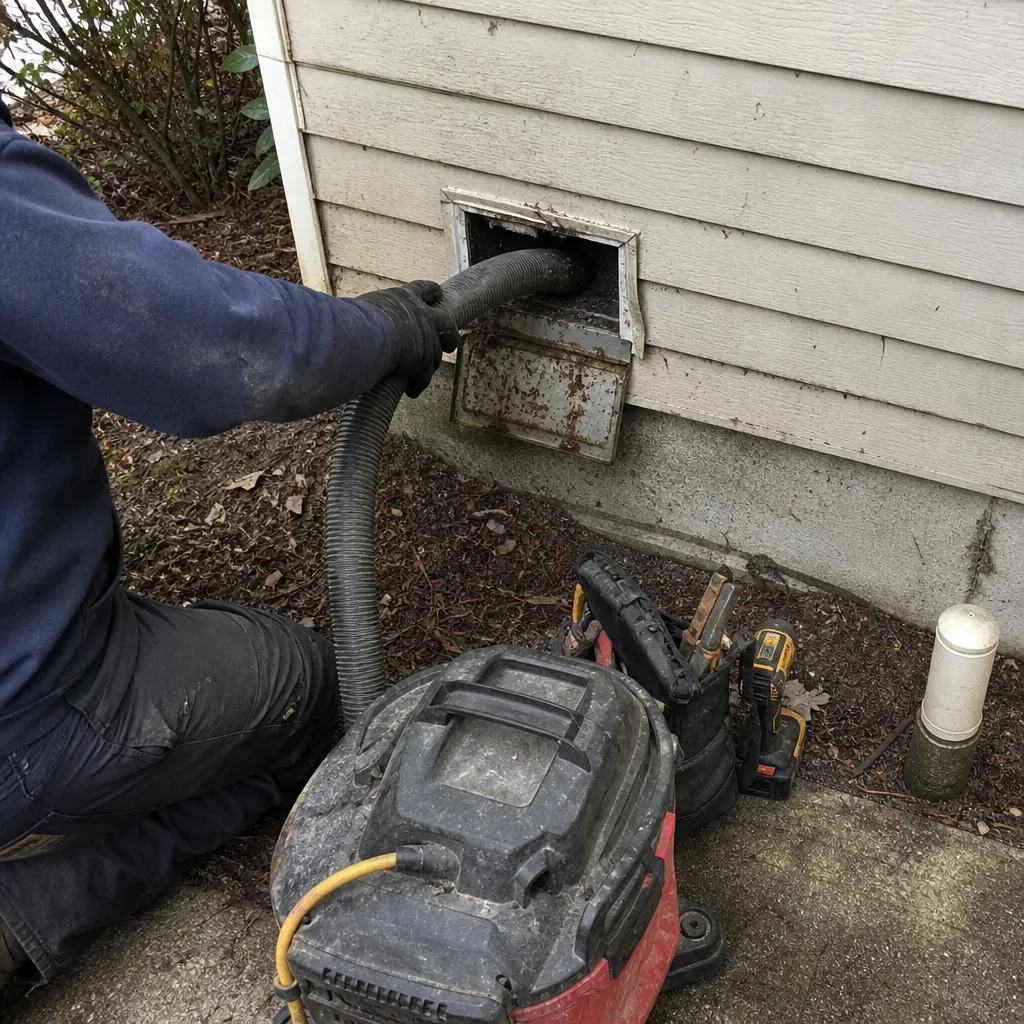 Before
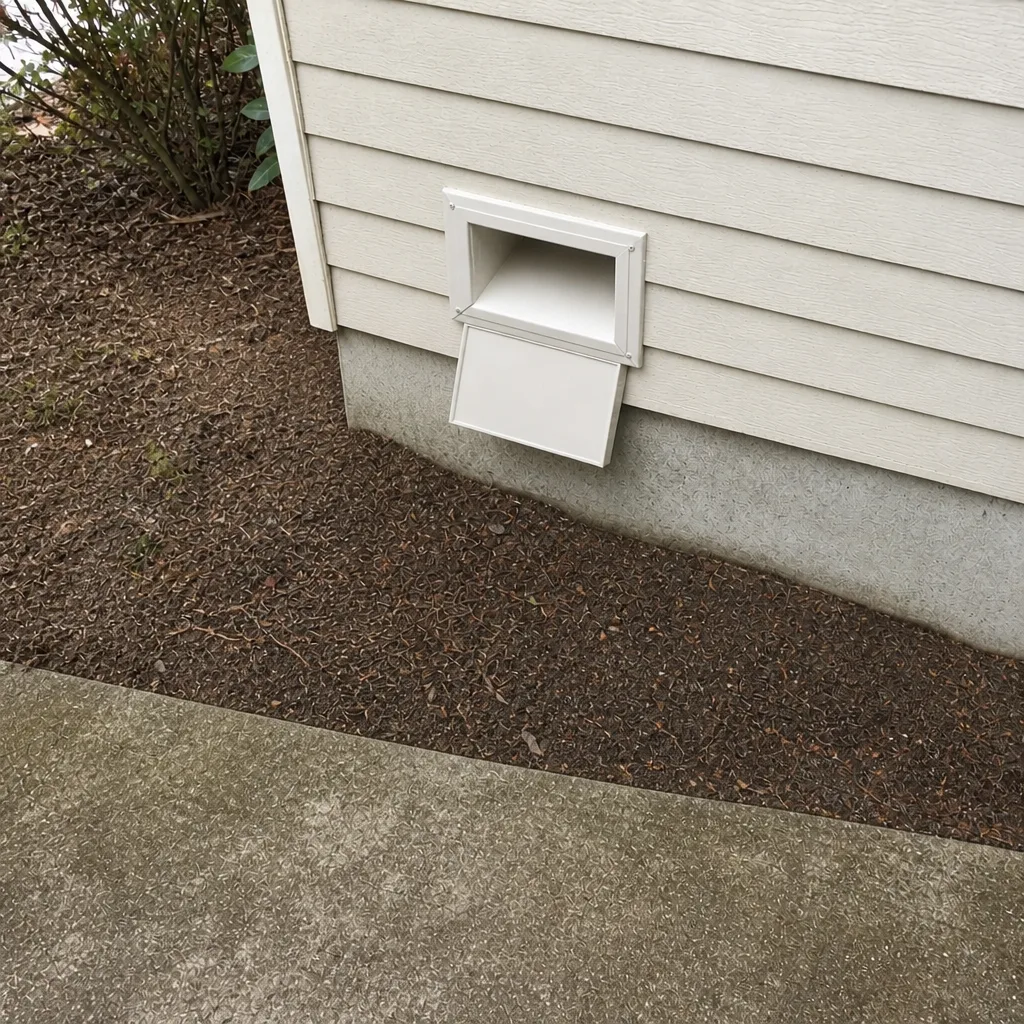 After
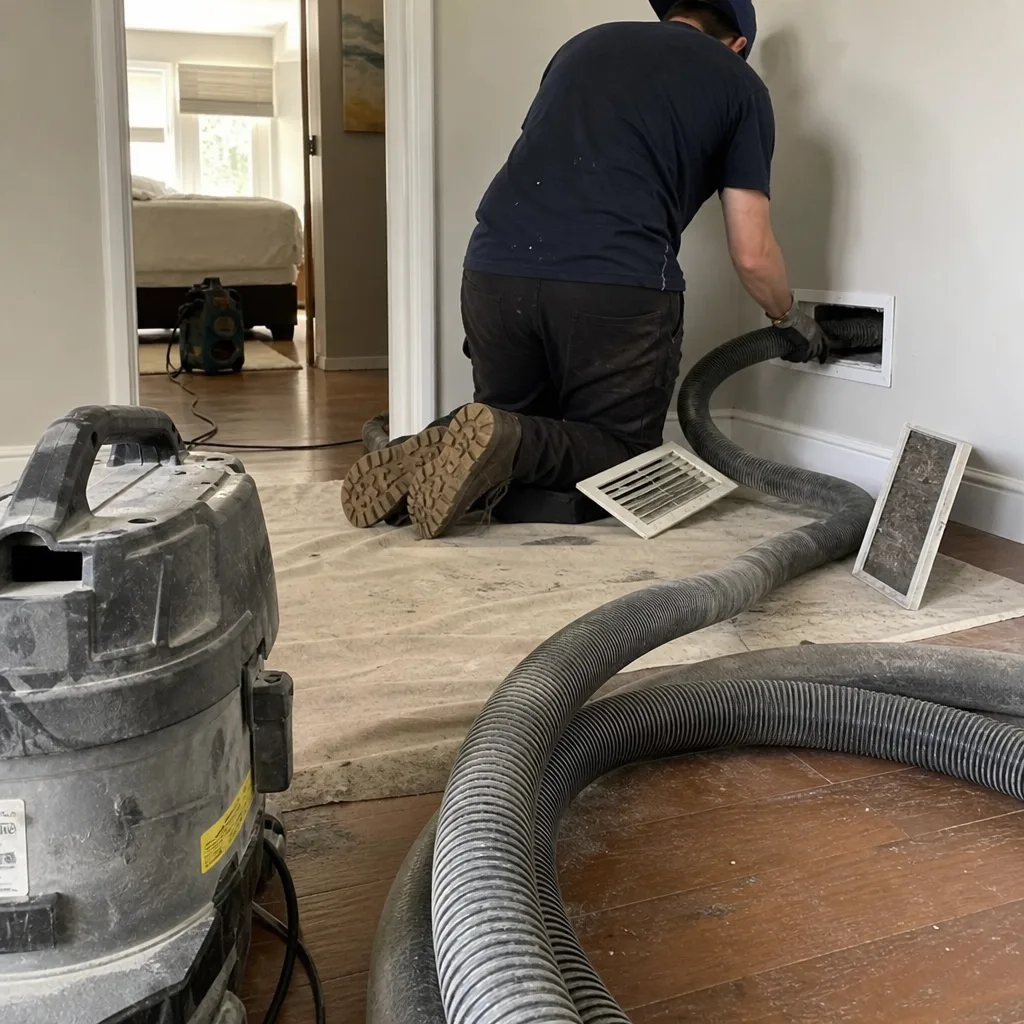 Before
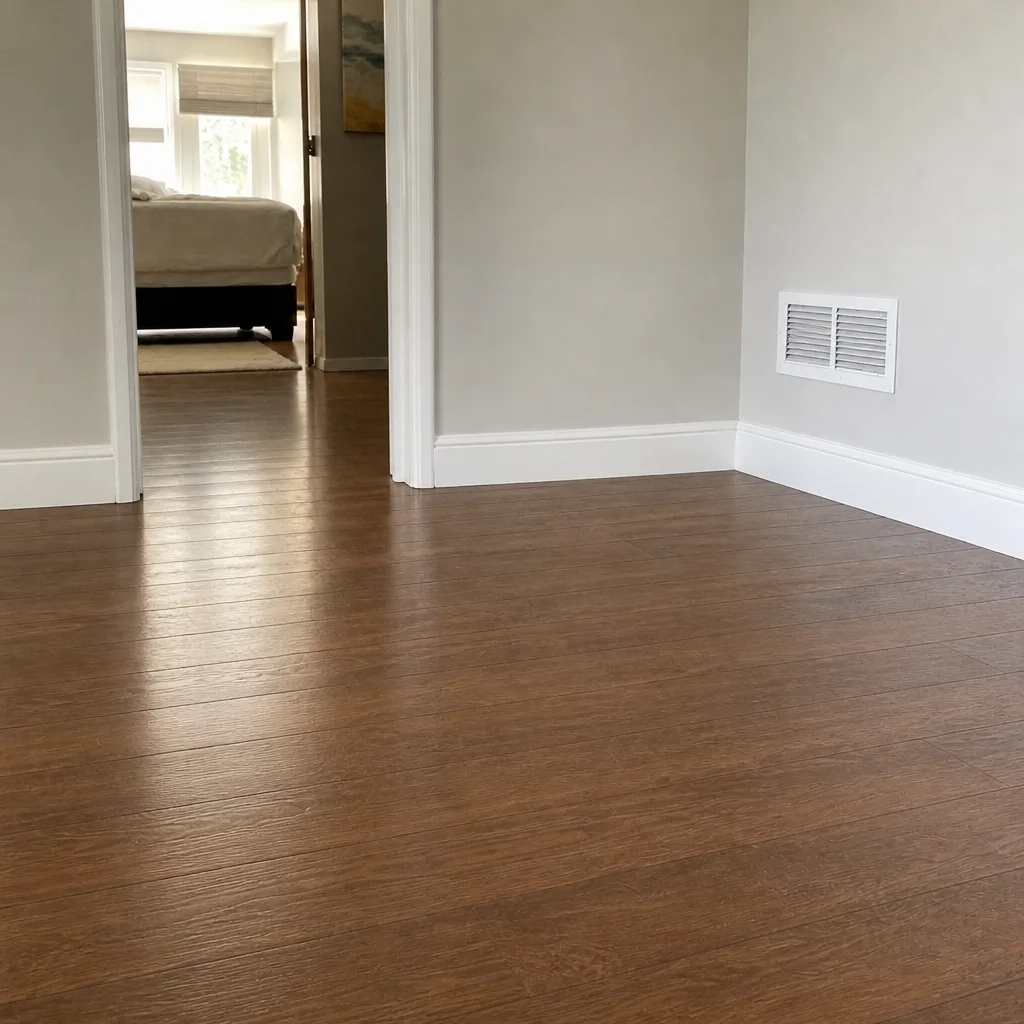 After
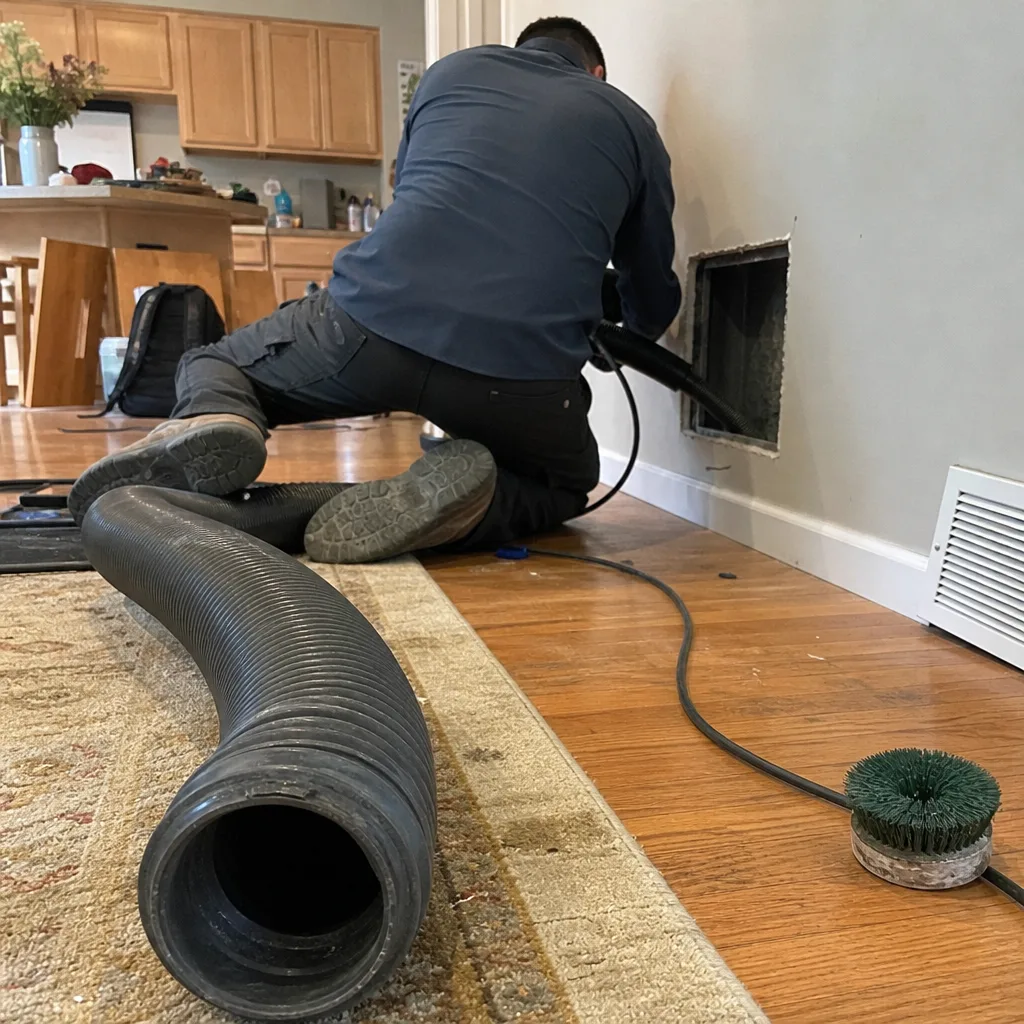 Before
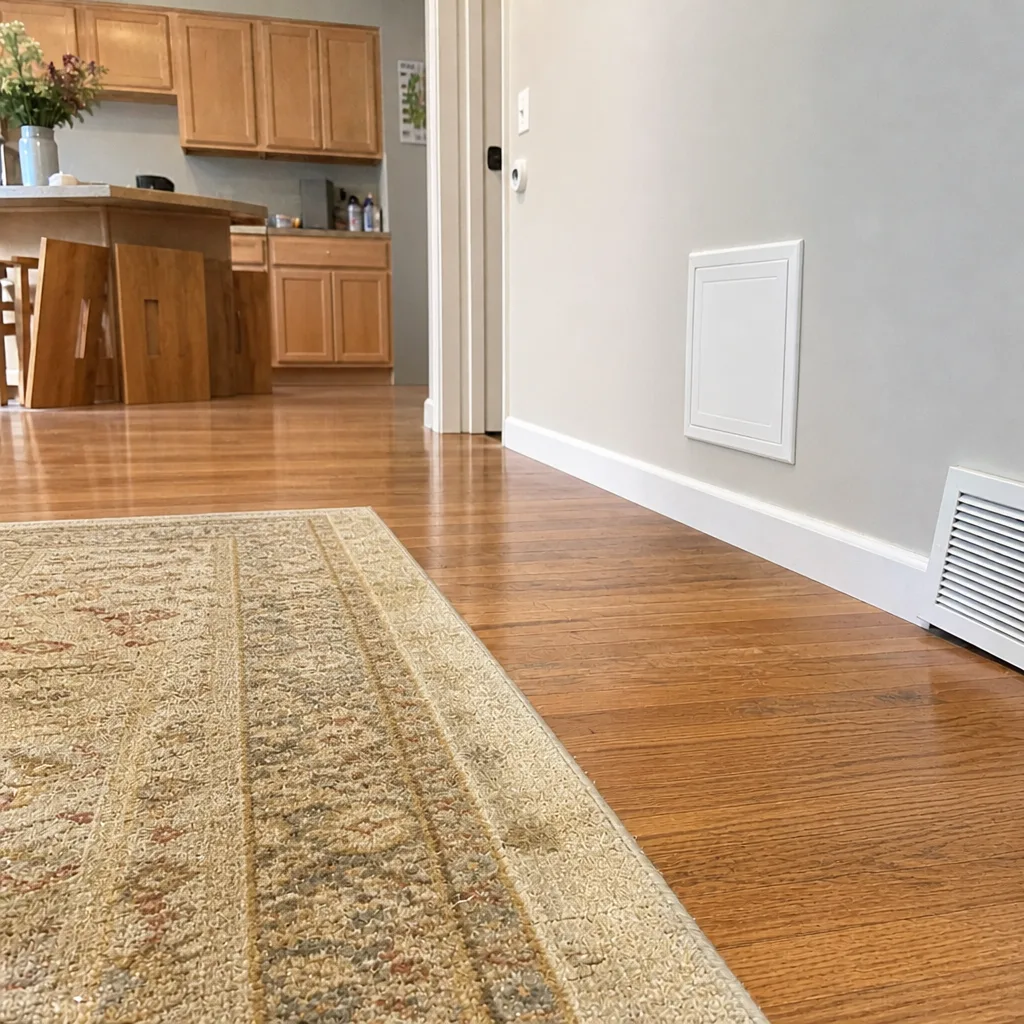 After
When to Call a Professional
Some seasonal tasks you can handle yourself: changing filters, observing the first heat cycle, checking register airflow. Others need professional equipment. Call a professional when smoke odor persists weeks after an event, when mold is visible at a register or on the coil, when one room never gets air, when a gas appliance smells odd or shows soot, or when the dryer takes two cycles to dry a load. Duct leaks, contaminated lining, and biological growth all need mechanical cleaning and, where found, repair and sealing. Kent Air Duct Cleaning Pros offers free estimates in Kent. Call (855) 550-7709. We answer 24/7, with fast dispatch from 7am to 7pm, Sunday through Friday.
Frequently Asked Questions
Most Kent homes do well with one full-system cleaning per year, ideally in late spring or early fall, plus filter checks between. Homes near active construction, with pets, or with allergy concerns may need the return side inspected more often.
Late spring is the stronger choice for a full cleaning, because it clears the winter blower load and construction dust before the cooling season. Fall cleaning is the better time for sanitizing and inspecting the return side, since mold spore counts are highest then.
Recirculation mode cycles indoor air through the filter instead of pulling in outdoor air, which keeps wildfire smoke out of the return side. Use it during a smoke event with windows closed and a clean high-efficiency filter installed. It’s a temporary setting, not a permanent one.
Musty odor at the registers, visible discoloration on the duct lining or coil, and allergy symptoms that worsen indoors are the common signs. A professional inspection confirms whether the growth is on the coil, the lining, or both, and sanitizing addresses it at the source.
Yes. Smoke particulate settles in duct lining and on coil surfaces, and an odor that lingers weeks after the sky clears means the residue is still in the system. A mechanical cleaning with containment removes the particulate rather than masking the smell.
No. The dryer vent is a separate system, and it’s the fire risk. It should be cleaned on its own schedule, and we offer it as a dedicated service so it isn’t skipped during a duct visit.
The Bottom Line
Kent’s seasons load your ducts with different material: construction dust in spring, wildfire smoke in summer, mold spores in fall, and heating startup byproducts in winter. Cleaning on a flat calendar misses those windows. Match filter checks to the actual load, run recirculation mode during smoke events, get the return side inspected in fall, and observe the first heat cycle in winter. A full-system cleaning timed to late spring or early fall, plus dedicated dryer vent cleaning, covers the year. If your system shows signs of contamination, call (855) 550-7709. We answer 24/7, with fast dispatch from 7am to 7pm, Sunday through Friday.
Written by the team at Kent Air Duct Cleaning Pros.