
Last updated November 23, 2026
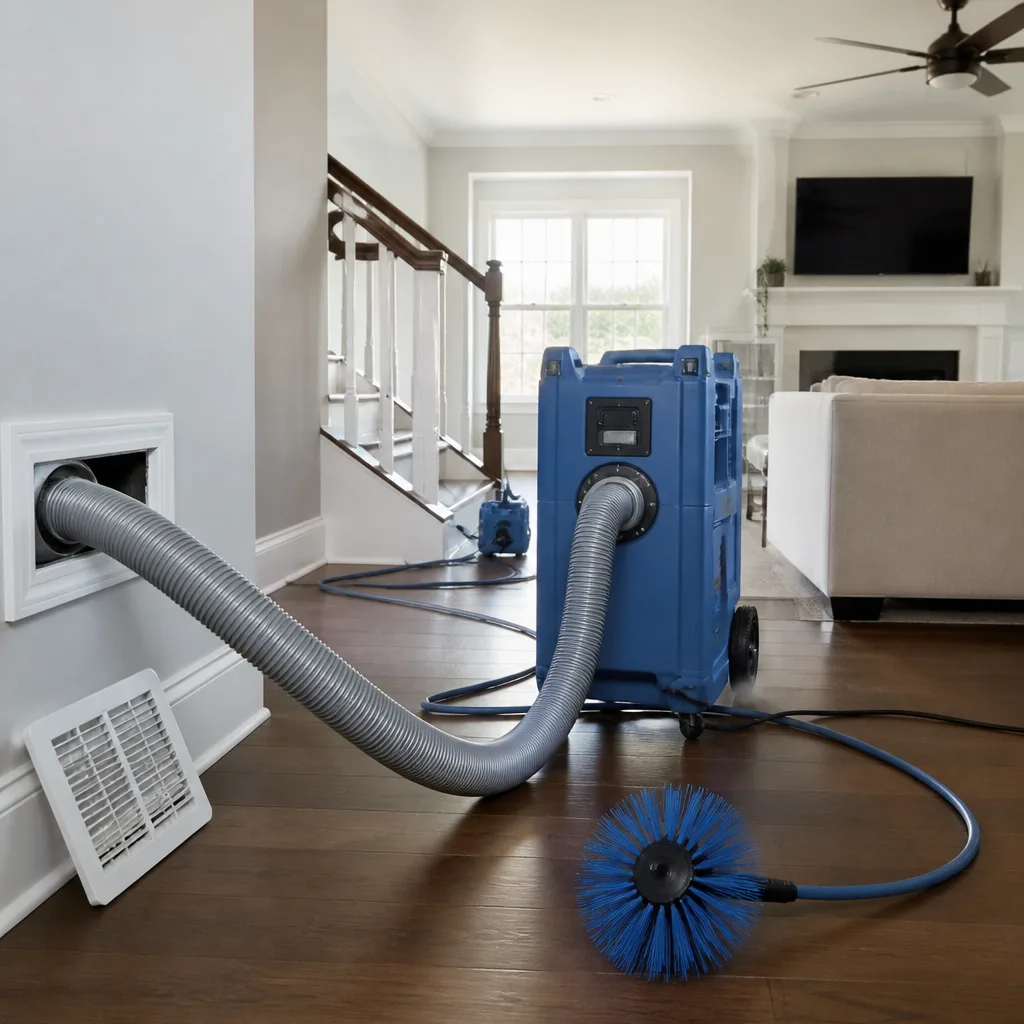 Whole-home duct cleaning
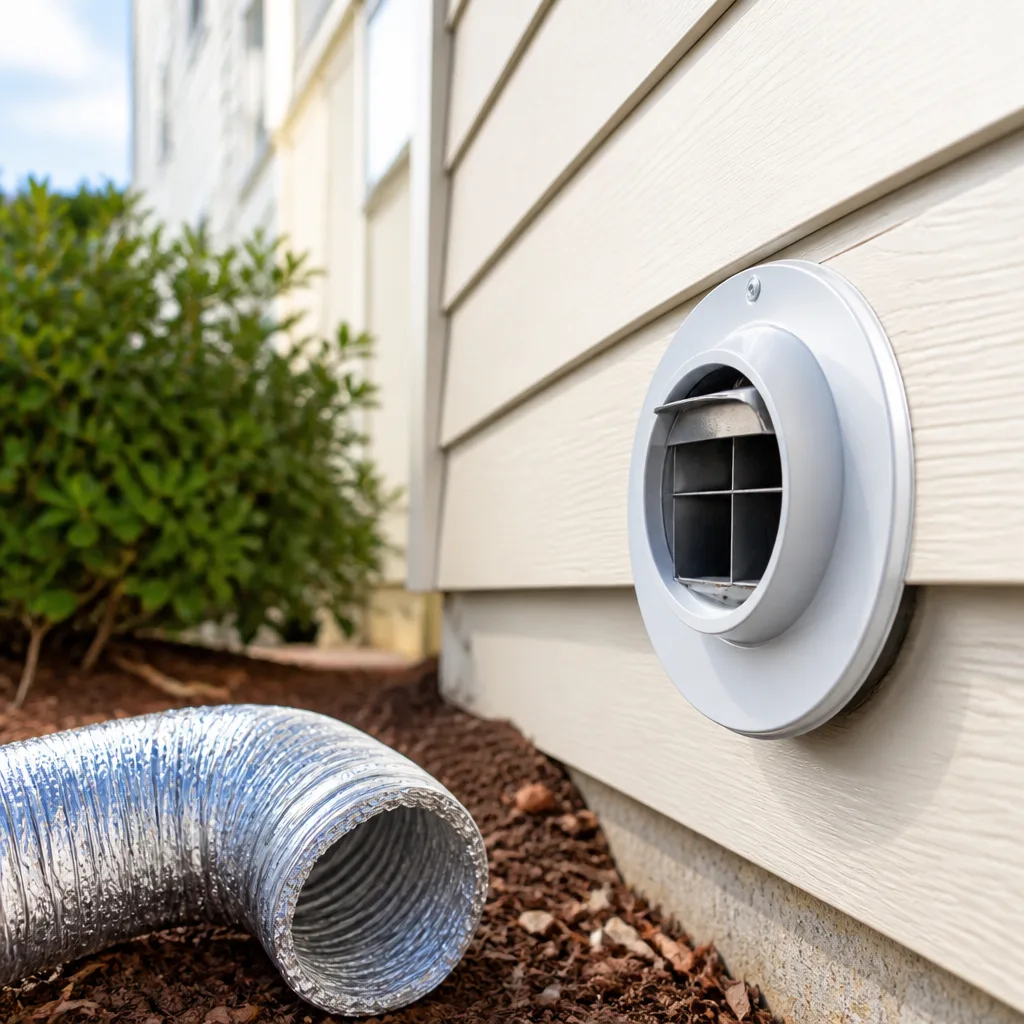 Dryer vent cleaning
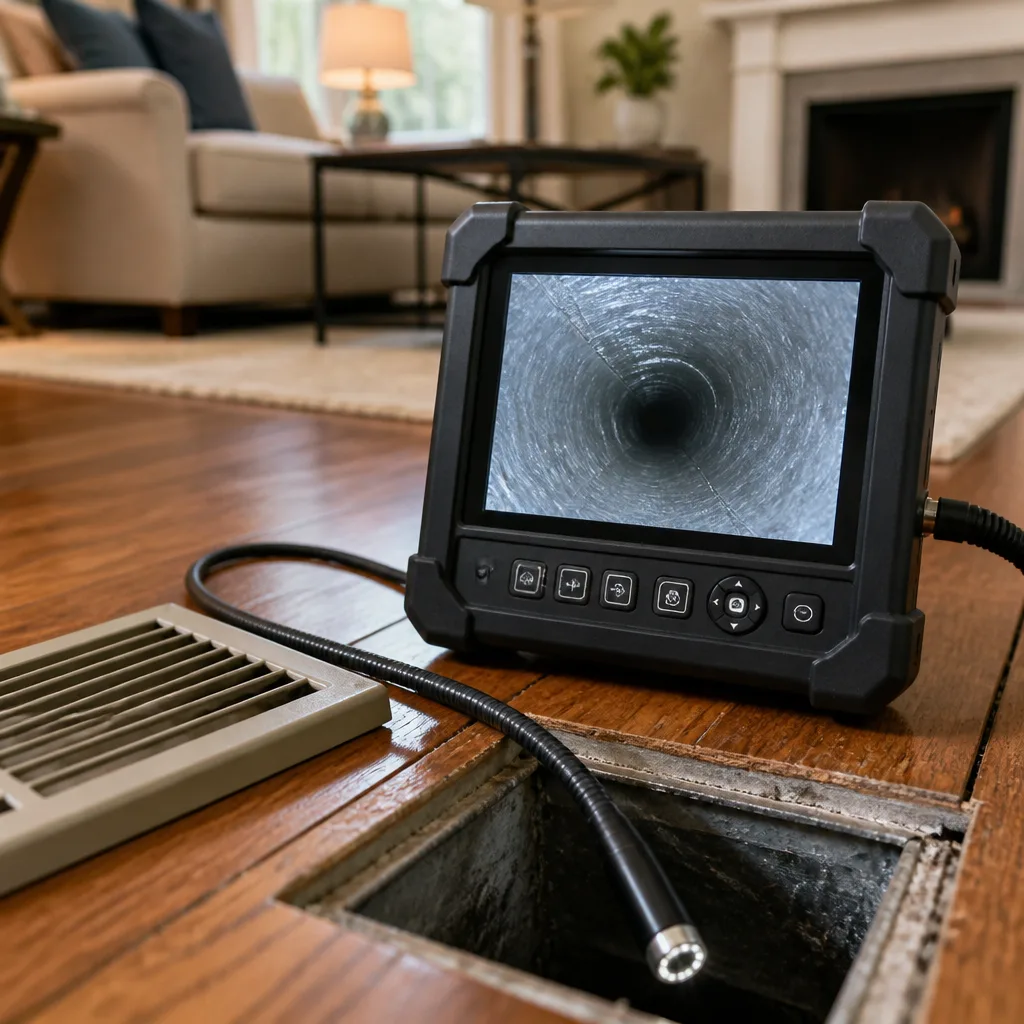 Camera inspection
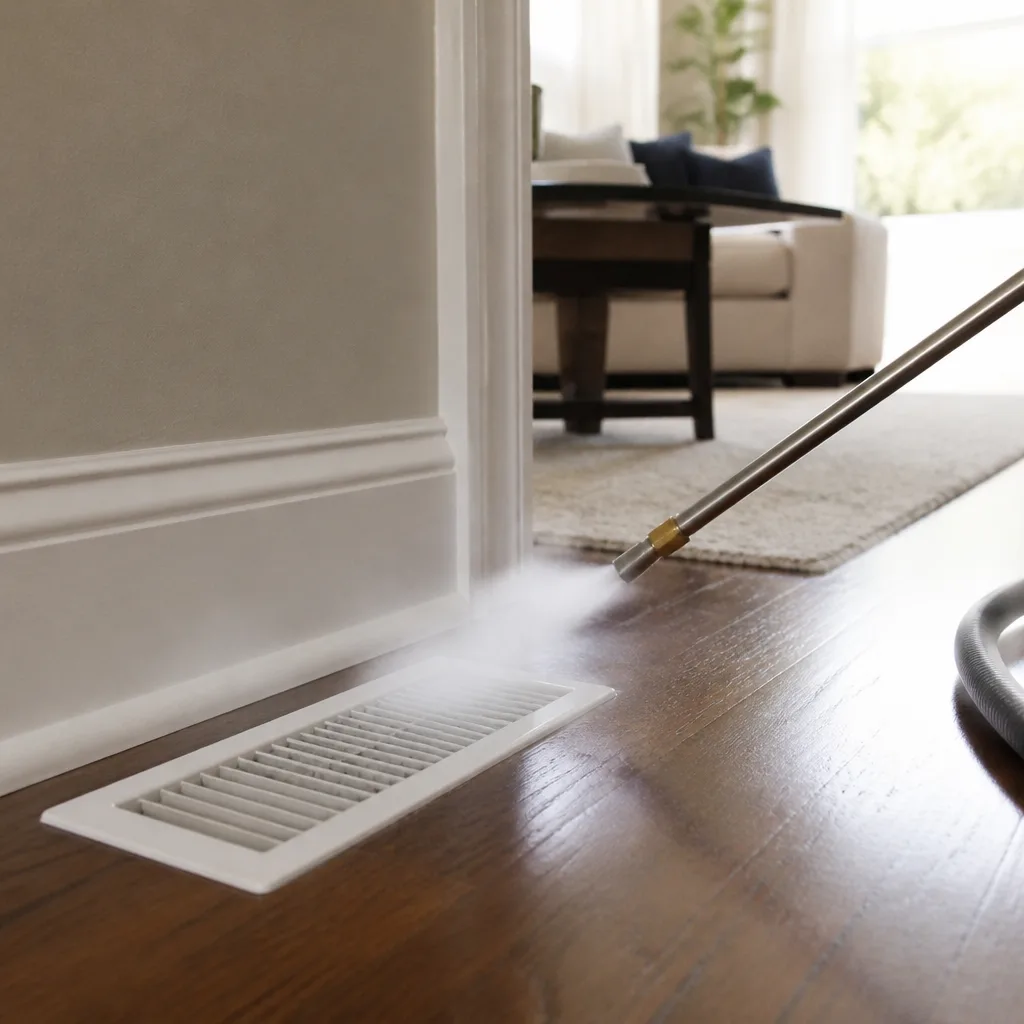 Sanitizing & deodorizing
Whole-system duct and dryer vent check with before-and-after photos - you see exactly what came out of your vents
That "$99 whole-house special" is a bait ad - the real number appears once they are in your hallway, or the "clean" is a shop-vac at the register. We photograph the inside of your ducts before and after instead.
DIY vs Professional Air Duct Cleaning: The Kent Homeowner’s Decision Guide
Here’s the part most articles skip: DIY duct cleaning isn’t dangerous and it isn’t useless. It’s just mechanically limited in a very specific way. A homeowner with a shop vac, a drill brush, and three free hours can clean every accessible register face and about 12 inches of the duct behind it. In a typical Kent single-family home, that reachable territory represents roughly 10 to 15% of the total duct surface area. The rest of the system sits behind drywall and inside equipment no shop vac can pressurize. This guide explains exactly what DIY reaches, what it can’t, which DIY tasks genuinely improve your system, and when deferring professional cleaning starts costing you in air quality or equipment wear.
Quick Answer
DIY air duct cleaning in Kent is worth doing for register faces, return grilles, and filter upgrades, but it cannot clean your trunk lines, plenums, or equipment cabinet because consumer equipment can’t generate the negative pressure needed to pull contaminants out of the system. Professional cleaning reaches the full duct network using truck-grade or HEPA-contained equipment like Rotobrush, Nikro, and Abatement Technologies systems. The right answer for most Kent homes is a combined approach: you maintain the accessible parts, and a professional handles the sealed interior once every few years.
Styles & brands we work with
- Whole-home duct cleaning
- Dryer vent cleaning
- Camera inspection
- Sanitizing & deodorizing
Table of Contents
- What a Shop Vac and Drill Brush Actually Reach
- The CFM Threshold That Decides Everything
- Legitimate DIY Tasks That Genuinely Help
- When DIY Is Reasonable vs. When It Isn’t
- Cost vs. Coverage: The Honest Math
- Kent-Specific Duct Conditions Worth Knowing
- Common Mistakes to Avoid
- When to Call a Professional
What a Shop Vac and Drill Brush Actually Reach
Residential duct systems follow a trunk-and-branch design. A large rectangular trunk line runs through the house, and smaller round branch lines split off to feed individual supply registers. The trunk carries most of the air volume, and it usually sits hidden above ceilings or inside wall chases. The branches terminate at floor or ceiling registers, and the last stretch of each branch is what you can physically touch from inside a room.
When you pull a register cover and drop a drill brush into the opening, you’re reaching the tail end of one branch. In many Kent homes that’s a flexible duct section running 6 to 10 feet before it connects to a rigid trunk or a plenum. A shop vac hose might reach 3 to 4 feet inside before the flex begins to bend. The brush itself can rotate through bends, but the vacuum behind it loses suction quickly with distance and turns.
Here’s what the geometry means in practice:
- Reachable by DIY: register faces, grilles, the first 12 to 24 inches of branch duct, and any flex duct you can disconnect and inspect at a joint.
- Partially reachable: longer branch runs toward the trunk, if you can reach a disconnect point and physically pull the flex out.
- Unreachable by DIY: trunk lines, the supply and return plenums at the air handler, the interior of the evaporator coil cabinet, and every section of duct sealed behind drywall.
That last category is where the majority of accumulated dust, pet hair, and debris collects. Gravity and airflow carry particulates downstream until they settle on horizontal trunk surfaces or cling to the plenum walls near the coil. The registers you can reach are, by airflow design, the self-cleaning parts of the system. High-velocity air passes over them constantly and keeps them relatively clear. The trunk is where things settle and stay.
If you’re trying to picture the scale: a 2,000-square-foot Kent home typically has 100 to 150 linear feet of ductwork across trunk and branches. A homeowner reaching 12 inches into each of 14 registers covers about 14 linear feet. That’s under 15% of the system, and it’s the 15% least likely to need work.
The CFM Threshold That Decides Everything
Effective duct cleaning depends on one physical variable: the negative pressure inside the duct while a mechanical agitation tool disturbs the surfaces. Cubic feet per minute (CFM) is how that pressure gets measured. Without enough CFM pulling through the system, a rotating brush just lifts dust into the air inside the duct where it settles again a few minutes later, or escapes into the room through the register you just opened.
Professional duct cleaning equipment is built to generate negative pressure across the whole system at once. A truck-mounted unit or a HEPA-contained portable like those from Abatement Technologies pulls a strong vacuum through the main trunk connection while technicians work agitation tools from the branches. That pressure differential is what actually evacuates contaminants rather than redistributing them.
Consumer equipment operates on a different scale entirely:
- A typical wet/dry shop vac pulls somewhere in the range of 100 to 200 CFM at the hose port. That drops sharply with hose length and with any restriction, and it applies to one hose, one register, not the whole system.
- Professional source-removal equipment in the duct cleaning industry is engineered to pull hundreds to several thousand CFM through the full duct network, depending on the equipment class and home size. The system is depressurized as a whole; the air handler and coil cabinet get cleaned under that same negative pressure.
- The difference isn’t power. It’s containment. A shop vac has no way to hold the entire system at negative pressure, so contaminants you dislodge have nowhere to go but into the room or back onto the duct walls.
This is why we use Rotobrush and Nikro systems rather than adapting consumer vacuums with duct attachments. Those systems combine HEPA filtration with the rotation and pressure needed to actually move material out of a trunk line. In our experience across Kent homes, the visible difference in before-and-after photos isn’t the register faces; it’s what comes out of the trunk and plenum once real negative pressure is introduced.
If you take only one thing from this guide, take this: dust you dislodge without proper negative pressure is still in your house. DIY cleaning isn’t dangerous, but it can be counterproductive for anyone with allergies, asthma, or a household member with respiratory sensitivity, because you’re stirring material without a way to capture and contain it.
Legitimate DIY Tasks That Genuinely Help
Not all DIY duct work is pointless. Several tasks have real, measurable benefit and should be part of any homeowner’s routine. These are the ones worth your time:
- Clean your register faces and grilles. Remove each supply and return cover, wash with mild soap and water, dry fully, and reinstall. Dust that collects on register faces gets blown into the room every time the system cycles. Cleaning them is single-handedly the highest-value DIY task for indoor air.
- Upgrade your air filter to the right rating. Most Kent homes run a basic 1-inch filter that catches large debris and nothing finer. Moving to a pleated MERV 8 filter in a slot rated for it will catch more particulate without over-restricting airflow. Check your equipment manual before going higher; an over-restrictive filter starves the system of airflow and can freeze the coil or shorten blower life. A Honeywell or Aprilaire filter cabinet installed professionally is a better path if you want MERV 11 or higher filtration.
- Inspect accessible flex duct runs. If you have flex duct visible in a basement, attic, or crawlspace, look for kinks, crushed sections, disconnected joints, or torn outer vapor barriers. A crushed flex run is a blocked airway; a disconnected joint is a direct path for attic or crawlspace air into your living space. Tape or mastic-seal small gaps yourself; call a professional for torn duct or disconnected runs.
- Check and re-seal return air grilles. Return grilles pull air from living space back to the air handler. If the seal around the grille frame is loose, the return pulls air from inside the wall cavity instead of the room. Foam weatherstripping behind the grille frame fixes most cases in ten minutes.
- Vacuum inside accessible flex duct joints. Where a flex run connects to a rigid trunk with a visible joint, you can disconnect it, vacuum debris from the first foot of both sides with a brush attachment, and reconnect. Only do this if the joint is genuinely accessible and reconnection is obvious.
- Keep the filter changed on schedule. A dirty filter is the single most common cause of reduced airflow in Kent homes. A filter that has gone six months without a change is restricting your system more than any dust in your ducts.
These tasks don’t replace a full cleaning. They make the intervals between professional cleanings longer, and they catch the small problems before they become larger ones. If you want a full picture of what professional service covers, our air duct cleaning page walks through the process.
When DIY Is Reasonable vs. When It Isn’t
There’s a clear dividing line between “run a drill brush inside a register because it’s Saturday and it bothers you” and “defer professional cleaning indefinitely because you did some DIY work three years ago.” Here’s how to think about which scenario you’re in.
DIY is reasonable when:
- You notice a faint dust puff from a register when the heat first kicks on, and a register face cleaning resolves it.
- You just bought a Kent home and the previous owner clearly hadn’t changed the filter in a long while. A register cleaning plus a filter change plus a professional inspection is the sensible sequence.
- Someone in the household has mild dust sensitivity and you want to reduce visible surface dust as a first step.
- You’re doing routine spring or fall upkeep and want to keep the accessible parts clean between professional visits.
- You’re staging a home for sale and want register faces looking fresh for photos and inspections.
DIY is not sufficient – and deferring professional cleaning has real consequences – when:
- Anyone in the home has asthma, allergies, or respiratory sensitivity, and symptoms worsen when the HVAC is running. Surface vacuuming doesn’t touch the trunk dust feeding those symptoms.
- You’ve recently finished a remodel, flooring replacement, drywall work, or pest remediation. Construction dust fills trunk lines and stays there. This is one of the clearest signals professional cleaning is needed.
- You see visible debris, rodent droppings, or mold growth inside any duct you can inspect. Rodent and mold contamination requires containment equipment, and hand cleaning risks spreading it further.
- You smell a persistent musty or stale odor when the system runs. That smell lives in the plenum and evaporator coil cabinet, not in the reachable branches.
- You’ve neglected your dryer vent cleaning for more than a year, and your dryer takes two cycles to dry a load. That’s a fire-hazard scenario with a different urgency profile than supply duct dust.
- You want to know that the work was actually done. A professional service documents before-and-after photos of your own ducts. DIY verification is a mirror and a flashlight.
The distinction matters because duct contamination is progressive. Trunk dust accumulates slowly, and the longer it sits, the more of it becomes airborne every time the blower cycles. In Kent’s cool, damp winters, ducts also spend more time near the dew point. That’s when accumulated dust becomes a mold-growth substrate rather than just an annoyance.
Cost vs. Coverage: The Honest Math
The cost conversation around DIY vs professional duct cleaning in Kent gets muddled because people compare the wrong things. DIY has a real cost – your time, equipment, filter changes, small repairs. Professional cleaning has a real cost – whole-system scope, equipment, labor, containment. The right comparison is cost per unit of duct cleaned, not invoice versus invoice.
| Approach | What’s Being Addressed | Rough Coverage of System | Recurring Need |
|---|---|---|---|
| Register-face cleaning (DIY) | Grilles, register faces, first 12 in. of branch | 10-15% | Monthly or quarterly |
| Shop vac + drill brush (DIY) | Reachable branch ends, no containment | 15-20% | Seasonal |
| Professional whole-system cleaning | Trunk, branches, plenums, coil cabinet, containment | 95%+ of accessible interior | Every 3-5 years in normal conditions |
| Professional plus DIY upkeep | Full system plus ongoing register maintenance | Full system, maintained | Professional every 3-5 years; DIY ongoing |
Cost for professional whole-system cleaning in the Kent market typically depends on the number of registers, system size, and whether you’re adding HVAC cleaning, sanitizing, or duct repair. We set one flat price per system based on a written estimate, agreed before work starts. No per-vent pricing, no surprise line items on the invoice when the technician is on-site. All estimates are free.
That flat-price model matters because it’s exactly the objection most Kent homeowners have about professional duct cleaning. The industry’s reputation problem is real: a low teaser rate that becomes a much bigger invoice once the tech is inside. Our position is simple. If we can’t tell you the whole-system price before we start, that’s not a price, it’s a starting point. Written estimates are the antidote.
Compare that to the DIY path. A shop vac you may already own, a drill brush attachment that costs far less than a pro cleaning, several hours of your time per season, plus filter changes and small seal jobs. The savings on the invoice are real. What you’re not addressing is 85% of the duct network, and the dust in that 85% is what feeds your air quality and your equipment.
Most Kent homeowners land on the same answer after doing the math: a professional cleaning every few years, complemented by consistent DIY upkeep in between. That’s a reasonable, cost-effective approach that doesn’t require you to pick a side in the DIY vs professional debate.
Kent-Specific Duct Conditions Worth Knowing
Every market has its own duct conditions, and Kent is no exception. These are the factors that come up most often in our work here.
Winter moisture and mold substrate. Kent winters are cool and damp, and duct interiors spend more hours near the dew point than in drier climates. That matters because accumulated dust becomes a mold substrate when moisture is present. A duct that reads as “dust only” in summer can develop visible mold growth by the following spring. Homes with furnace humidifiers or interior moisture issues are more exposed. Sanitizing as part of a professional cleaning is more relevant here than in dry-inland climates.
Aging housing stock and flex duct. Kent has a mix of older single-family homes with rigid sheet-metal duct and newer construction with flexible insulated duct. Both have their own issues. Rigid metal duct accumulates dust on horizontal runs and can develop rust at seams in damp conditions. Flex duct is prone to crushing, kinking, and disconnection at joints, especially in attics and crawlspaces where installation was tight. Professional inspection catches both, which is why we always assess the ductwork before cleaning it.
Call for full-system scope. Many Kent homes present multiple conditions at once: dirty trunk lines, an underperforming dryer vent, a filter that’s overdue, and a coil that hasn’t been cleaned since installation. Because our Kent Air Duct Cleaning Pros team handles cleaning, dryer vent service, HVAC cleaning, duct repair, and air quality sanitizing under one scope, we can fix what we find in the same visit instead of documenting it and referring you to another company.
Repair, not just diagnosis. When inspection reveals a disconnected flex run, a torn duct section, or a gap at a trunk joint, sealing it is part of our job, not a follow-up appointment. We seal what we find. That closes the duct system back up so the cleaning you paid for stays effective.
Air quality upgrades at the point of service. Homes dealing with allergy or asthma concerns often benefit from filtration upgrades that go beyond a basic filter swap. Because we work with Honeywell and Aprilaire product lines, we can integrate a proper filter cabinet or air purifier at the same visit as the cleaning. Cleaner air starts with what’s inside your walls, and it stays cleanest when filtration keeps up with the system’s needs.
If you want to see how these conditions play out in your home specifically, a free estimate is the fastest path to a real answer. Call (855) 550-7709. We answer 24/7. Fast dispatch from 7am to 7pm, Sunday through Friday.
Common Mistakes to Avoid
We’ve seen these same mistakes repeated across Kent homes, and each one either wastes your time or makes the underlying problem worse.
- Assuming register cleaning equals duct cleaning. Cleaning supply and return grilles removes surface dust that’s about to blow into the room. It doesn’t touch the trunk line where contaminants settle, and treating it as “job done” is the most common mistake we see. The visible parts clean up fast; the hidden parts don’t.
- Running a shop vac into a duct without containment. Vacuuming the interior of a duct with a household shop vac stirs up debris with no HEPA capture and no negative pressure to hold it inside the system. Anyone in the room with respiratory sensitivity will notice, usually within minutes, and the dust often re-settles in the same duct a few hours later.
- Ignoring the dryer vent while focusing on supply ducts. The dryer vent is a leading cause of residential fires, and it’s a distinct system from your supply ductwork. It needs dedicated attention on its own schedule. If you’ve never had it professionally cleared, that’s the first call to make.
- Buying an over-restrictive filter without checking equipment specs. A high-MERV filter on a system not designed for it will starve airflow, which can freeze the evaporator coil in winter and overheat the blower motor in summer. The filter is not the place to freelance. Match the rating to the equipment.
- Sealing or taping flex duct joints with standard duct tape. Standard cloth-backed duct tape dries out, cracks, and fails within a year or two, particularly in a Kent attic or crawlspace where temperature swings are wider. Foil-backed tape or duct mastic is the correct choice for a lasting seal.
- Assuming one professional cleaning lasts forever. Duct systems accumulate dust continuously. Most Kent homes benefit from professional cleaning every 3 to 5 years under normal conditions, more often after a remodel or if pets generate a lot of dander. Treat it like a roof or a furnace: periodic maintenance, not a one-time event.
- Skipping the inspection after buying a used home. You don’t know what the previous owner did or didn’t maintain. A professional inspection in the first month after purchase can catch a disconnected flex run, a mold issue, or a dryer vent packed with lint before any of those cause a real problem.
When to Call a Professional
DIY has a clear place in routine maintenance. But several Kent-specific scenarios tilt the answer firmly toward professional cleaning, and knowing them saves you wasted effort and avoids longer-term consequences.
Call a professional if anyone in your household has asthma, allergies, or respiratory sensitivity; if you’ve recently finished a remodel or renovation; if you see rodent debris or suspect mold growth inside any duct; if you smell a persistent musty odor when the heat runs; if your dryer takes two cycles to dry a load and you haven’t had the vent cleaned recently; if you’ve just bought a used Kent home and don’t know its maintenance history; or if a mechanical inspection of your system is overdue and you want a proper baseline.
Kent Air Duct Cleaning Pros offers free estimates in Kent. Call (855) 550-7709. We answer 24/7. Fast dispatch from 7am to 7pm, Sunday through Friday.
See the difference
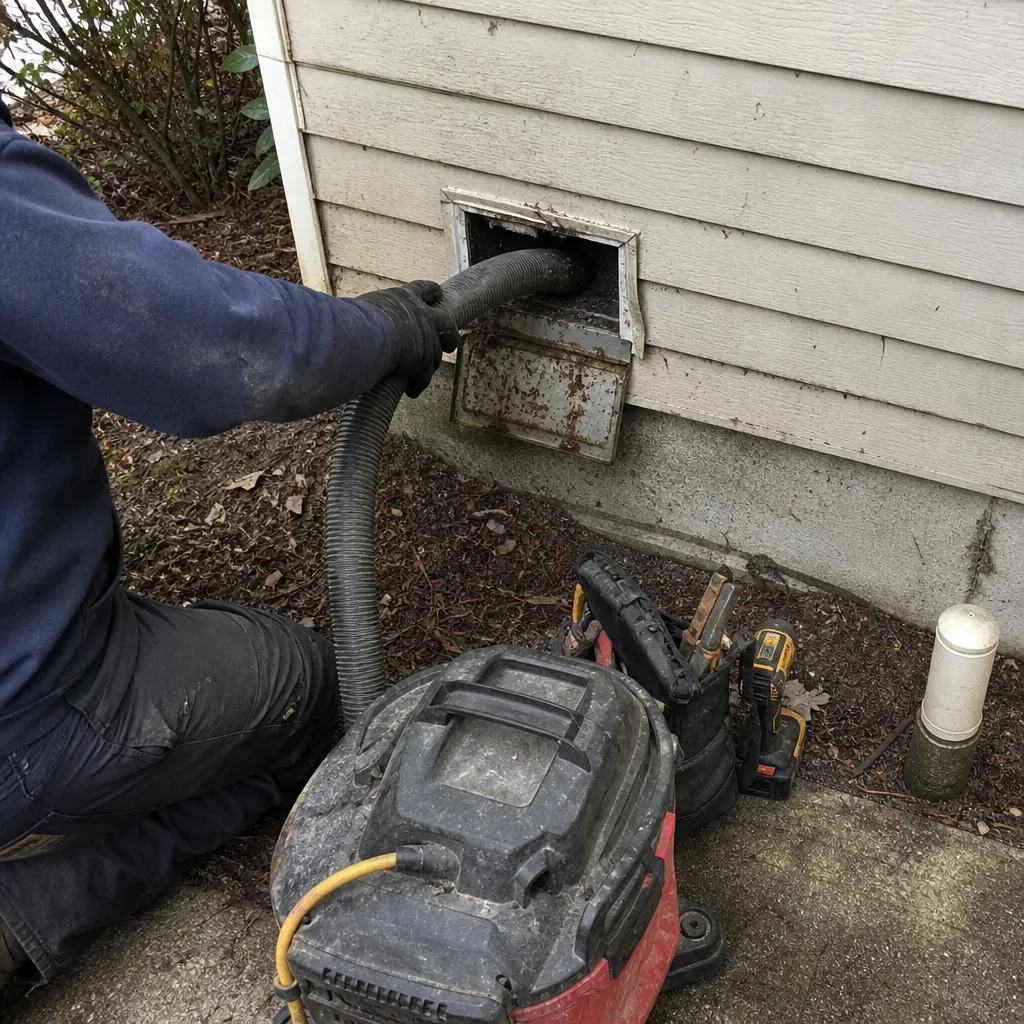 Before
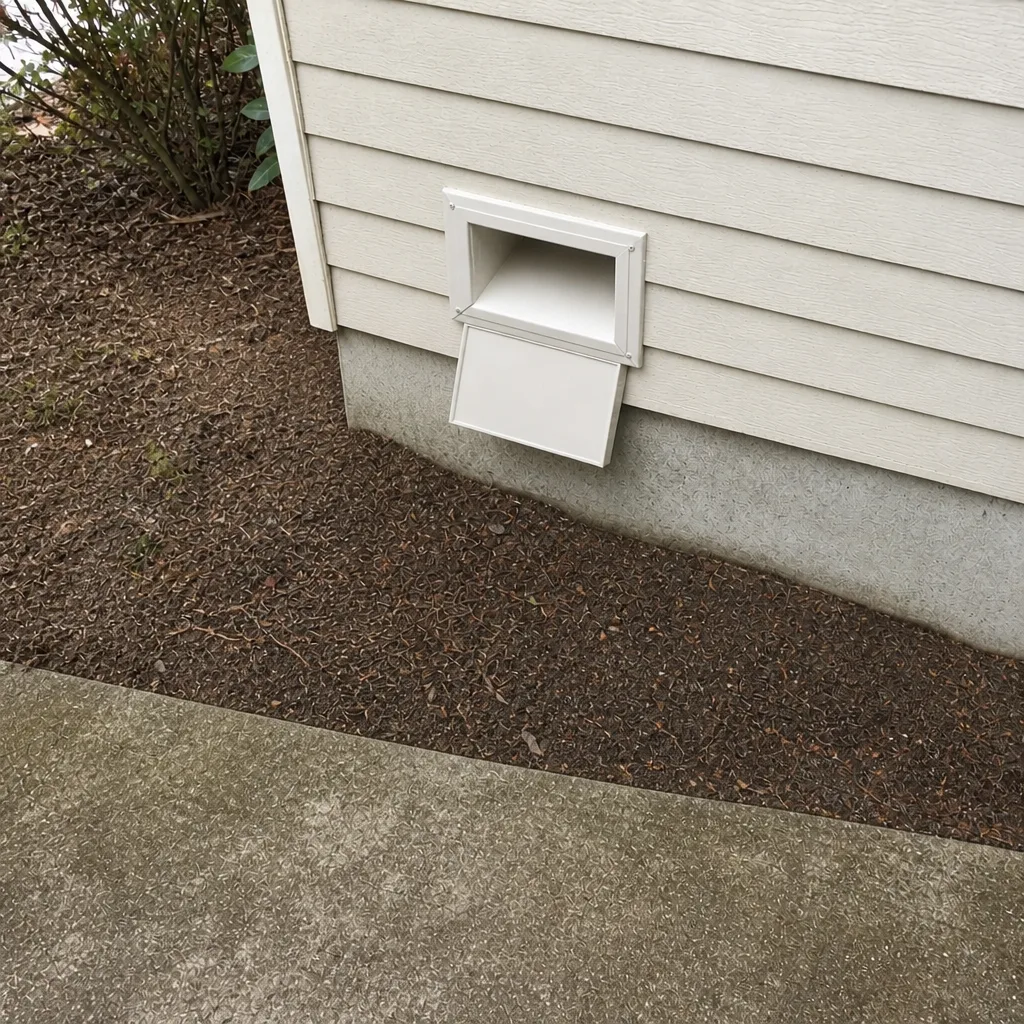 After
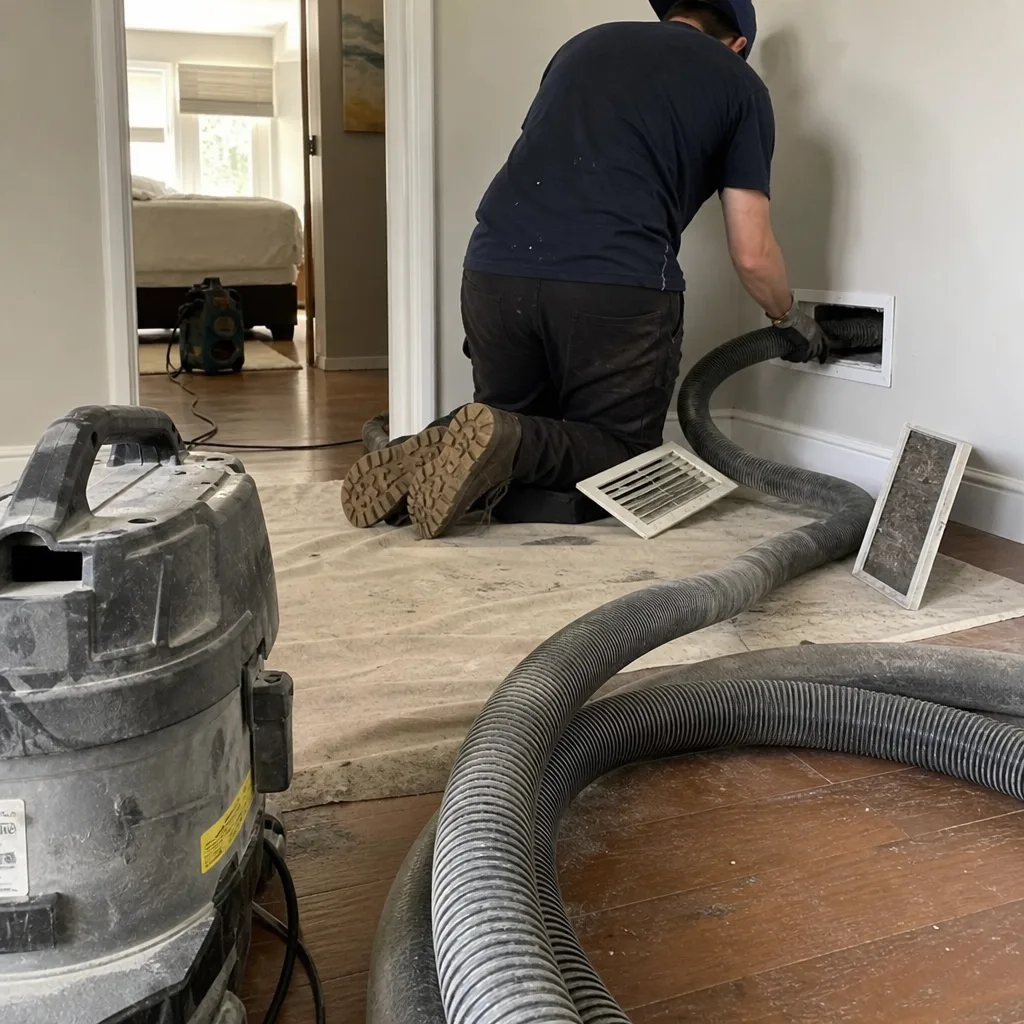 Before
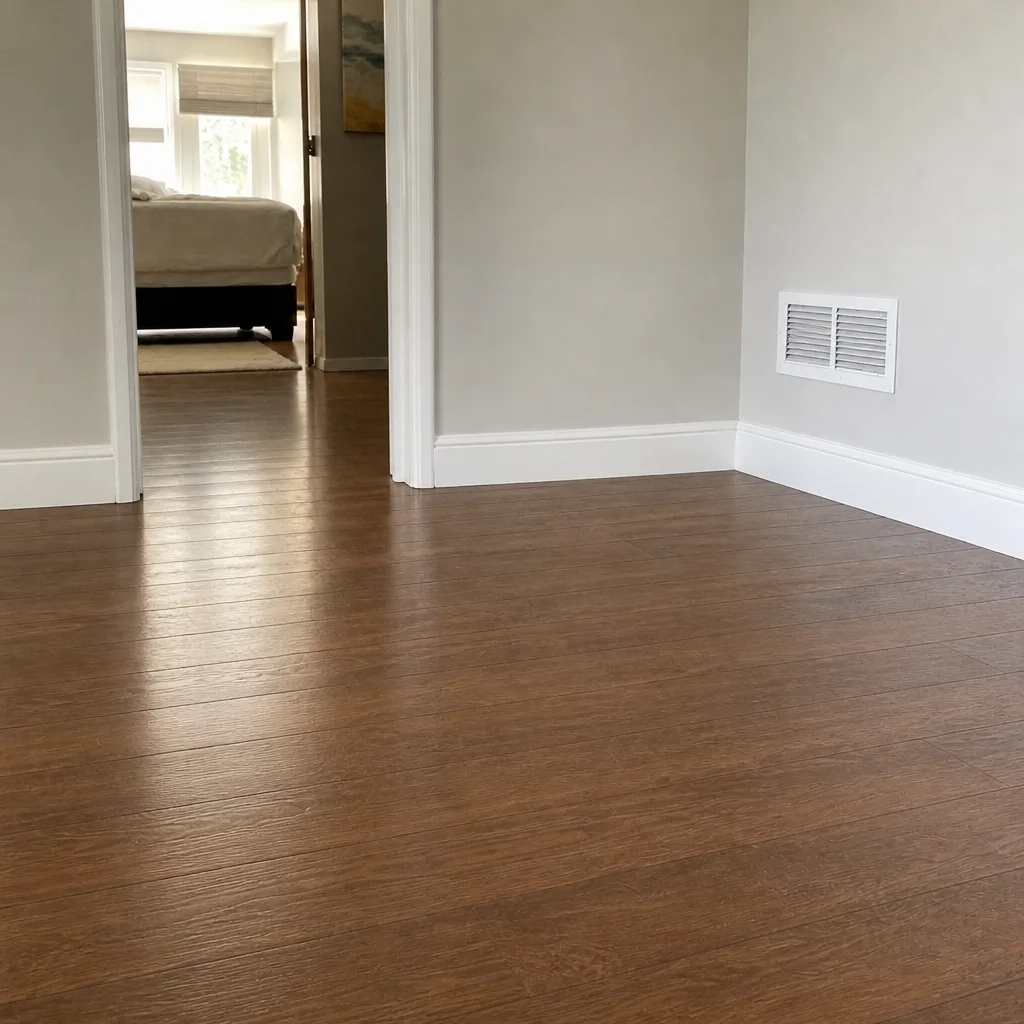 After
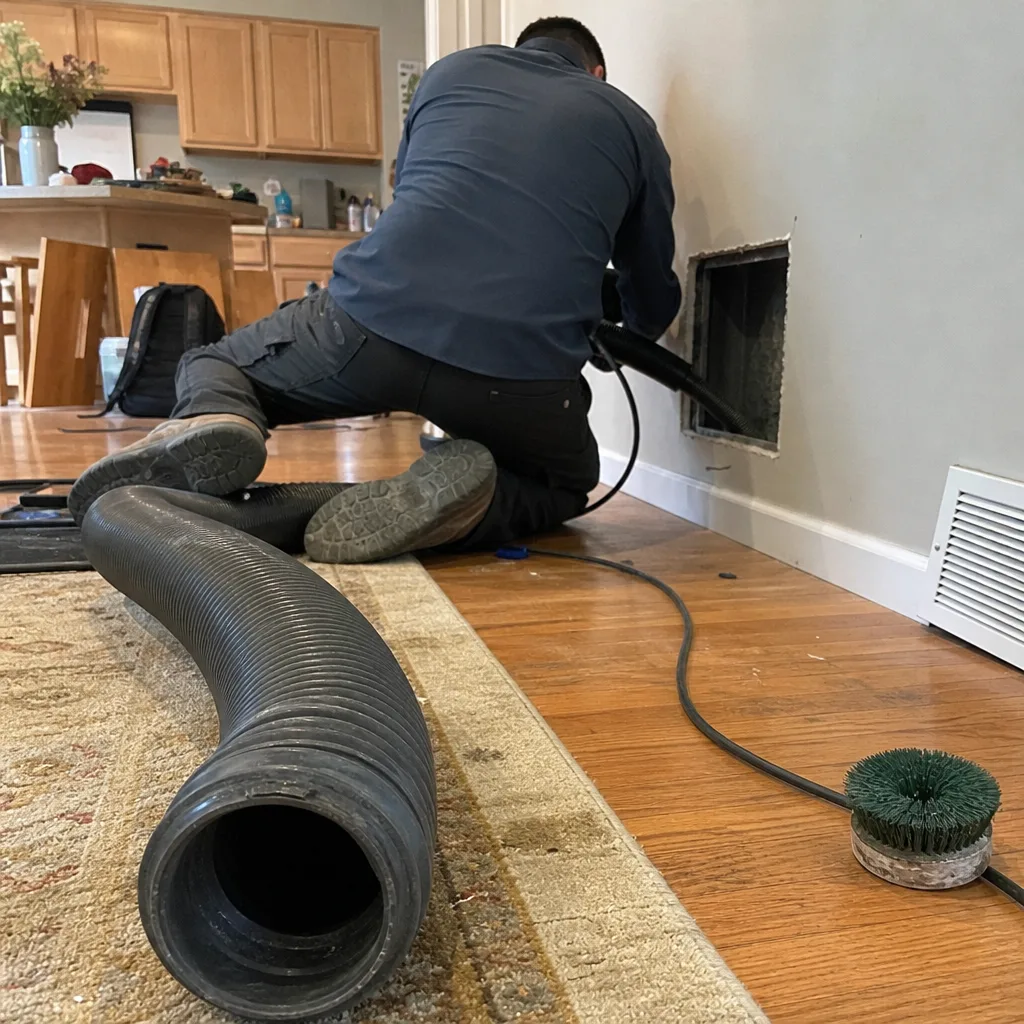 Before
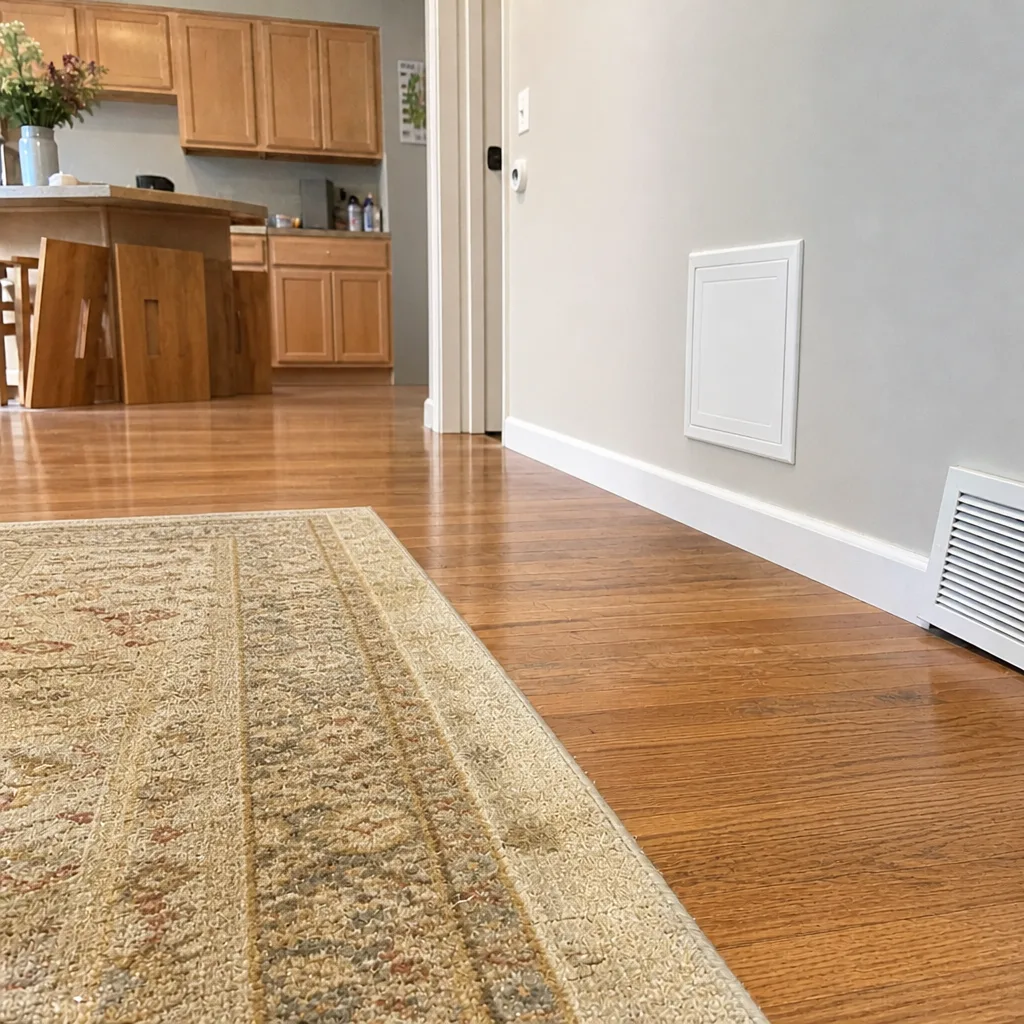 After
Frequently Asked Questions
Professional whole-system duct cleaning in Kent is priced per system, not per vent, and depends on the number of registers, the system size, and any add-on services like dryer vent cleaning, duct repair, or sanitizing. We set one flat price per system with a written estimate before work starts, so you know the total before we open a single register. Free estimates are available – call (855) 550-7709 to get yours.
A shop vac won’t typically damage rigid metal duct, but it can tear the inner liner of flexible duct if the brush catches or the hose is pushed too hard into a bend. The bigger problem isn’t damage – it’s that a shop vac doesn’t have the negative pressure to actually remove contaminants from the system, so you’re stirring dust without containing it. On flex duct, best to leave the interior alone and let a professional handle it with the right equipment.
Most Kent homes benefit from professional duct cleaning every 3 to 5 years under normal conditions. Homes with pets, recent remodels, respiratory-sensitive occupants, or heavy dust accumulation may need it more often. Between professional cleanings, register-face cleaning, filter changes, and accessible flex duct inspection are worth doing yourself. If it’s been longer than five years, that’s a reasonable trigger for a professional assessment. Call (855) 550-7709 for a free estimate.
Low quotes usually come from companies doing less work than the invoice implies – cleaning register faces and calling it a whole-system job, using consumer-grade vacuums instead of proper HEPA-contained equipment, or quoting a base price that becomes a much larger invoice once the technician is on-site. In our experience, the honest answer is a written flat-price estimate that covers trunk, branches, plenums, coil cabinet, and containment. If a quote arrives without a written scope, ask what’s actually being cleaned.
Ask for before-and-after photos of your own duct interior, not stock photos. Any professional service should be able to document what was cleaned with photos taken on the visit. At Kent Air Duct Cleaning Pros, before-and-after photos of your own system are part of every cleaning. If a company can’t show you what came out of your ducts, that’s a red flag on the scope of work.
No. Construction and remodel dust fills trunk lines and plenums, and it’s not reachable with a shop vac or drill brush. Drywall dust in particular is fine enough to stay suspended in the system and get recirculated into living space for months. Post-remodel is one of the clearest cases for professional cleaning with HEPA containment and negative air pressure – call (855) 550-7709 and we’ll give you an honest assessment of the scope.
The Bottom Line
DIY air duct cleaning has a real place in Kent home maintenance – register-face cleaning, filter changes, accessible flex duct inspection, and return grille sealing are all worth doing, and they extend the interval between professional cleanings. What DIY cannot do is clean the trunk lines, plenums, or coil cabinet, because consumer equipment cannot generate the negative pressure required for effective source removal. Most Kent homeowners who want cleaner air and healthier equipment land on the same answer: professional whole-system cleaning every few years, DIY upkeep in between. If you’re ready for an honest assessment of your system with a written flat-price estimate, call Kent Air Duct Cleaning Pros at (855) 550-7709.
Written by the team at Kent Air Duct Cleaning Pros.