
Last updated November 23, 2026
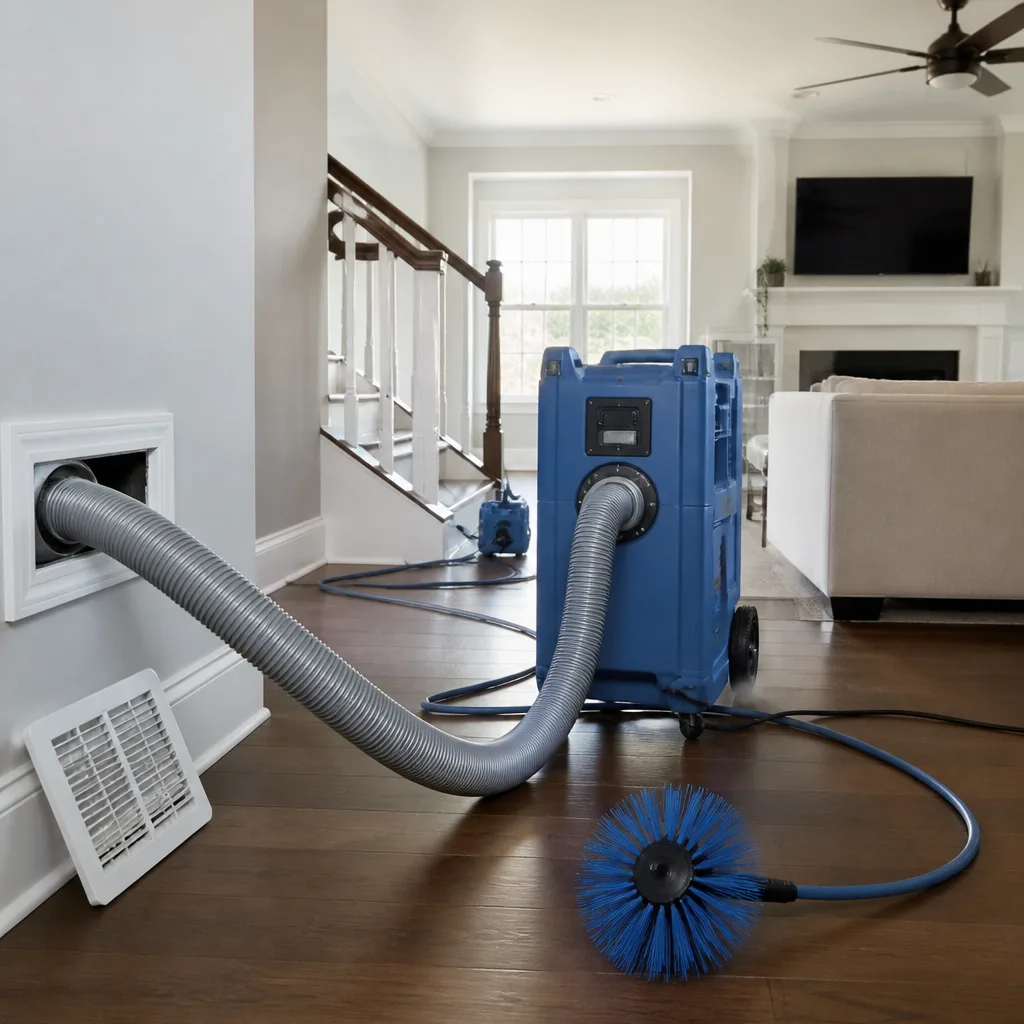 Whole-home duct cleaning
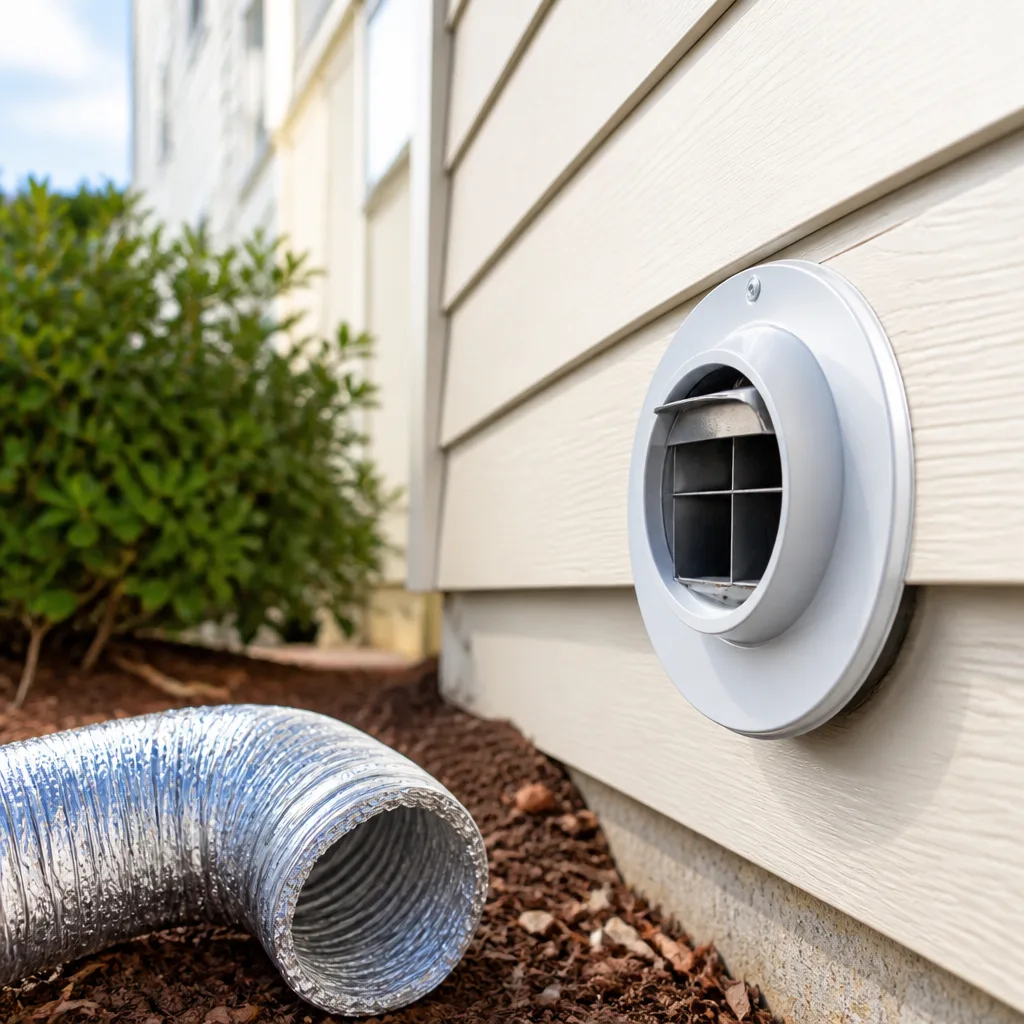 Dryer vent cleaning
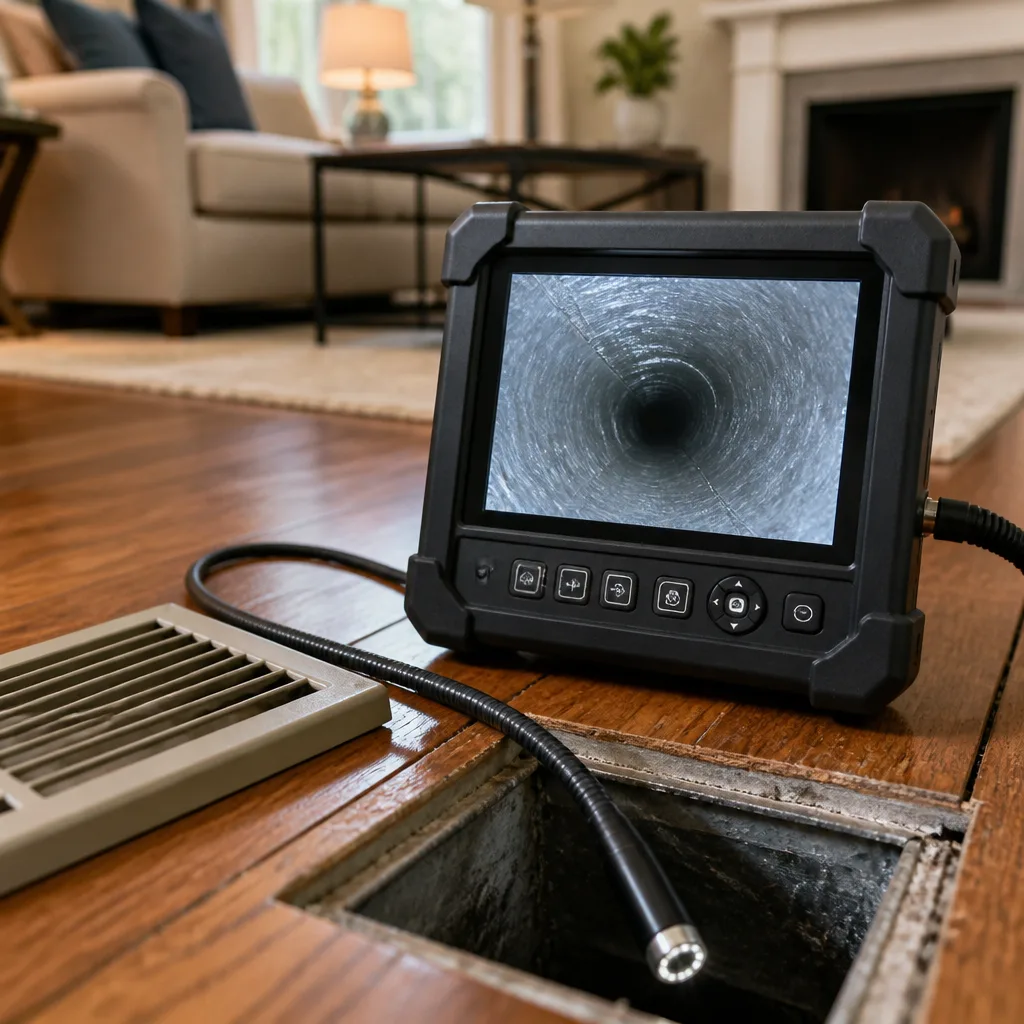 Camera inspection
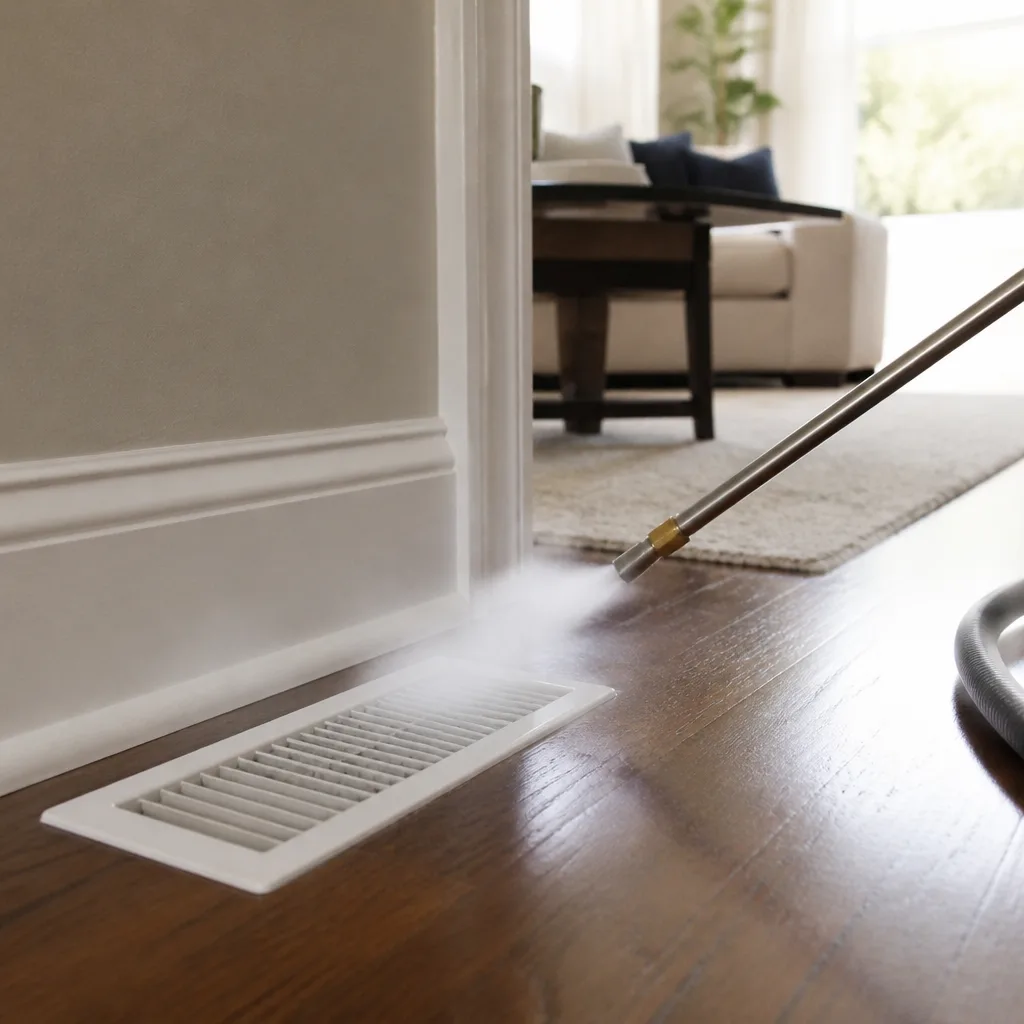 Sanitizing & deodorizing
Whole-system duct and dryer vent check with before-and-after photos - you see exactly what came out of your vents
That "$99 whole-house special" is a bait ad - the real number appears once they are in your hallway, or the "clean" is a shop-vac at the register. We photograph the inside of your ducts before and after instead.
The Complete Guide to Air Duct Cleaning in Kent
Most duct cleaning in Kent, WA is sold as a vacuum pass: a technician runs a hose down each accessible vent run, pulls some dust out, and leaves. That pass touches the supply branches. It doesn’t address the return plenums, the air handler cabinet, the evaporator coil, the drain pan, or the seal at every connection where contaminated air bypasses the filter. In our experience, that’s the 60-70% of the contamination problem that a one-vacuum service leaves untouched. Some homes smell worse two weeks after a cheap clean than before it, because the disruption stirs settled debris without removing it. This guide maps what a full-system clean actually involves in Kent so you can evaluate whether a bid you’ve received is a real one.
Quick Answer
A full-system air duct cleaning in Kent means cleaning every component air passes through, not just the visible supply vents: supply trunks, return ducts, the air handler cabinet, the evaporator coil, and the drain pan, all under negative pressure with HEPA-level containment. It typically runs several hours depending on system size and access, priced per system by a written estimate. Anything that stops at the vent runs is a partial clean, and it will usually re-contaminate within months.
Styles & brands we work with
- Whole-home duct cleaning
- Dryer vent cleaning
- Camera inspection
- Sanitizing & deodorizing
Table of Contents
- What “Full System” Actually Means
- Why Negative Pressure Is the Technical Baseline
- Kent-Specific Contamination Drivers
- Visual Inspection vs. Camera Scope Inspection
- A Step-by-Step Walk Through the Complete Process
- Why Cleaning Without Resealing Re-Contaminates
- The Dryer Vent Is Part of the Air System
- How to Evaluate a Duct Cleaning Contractor in Kent
What “Full System” Actually Means
The term gets thrown around loosely. Here’s the component list a full-system clean has to cover, and what most single-service operations skip.
- Supply trunk lines – the main duct runs coming off the air handler, not just the branch runs behind each register.
- Return ducts and return plenum – the return side carries the dirtiest air and is almost always the most contaminated section of the system.
- The air handler cabinet – the metal box housing the blower. Dust collects on the blower wheel and cabinet interior.
- The evaporator coil – moisture there traps dust into a mat that restricts airflow and can start to harbor biological growth.
- The condensate drain pan – a standing-water reservoir that collects debris. If it isn’t cleaned, it re-introduces contamination.
Most bids Kent homeowners receive cover only the supply branches. The air handler cabinet is often skipped because opening it properly takes time and skill. The coil is skipped because a shop-vac can’t reach it. We’ve found the difference between a partial clean and a full one is often the difference between solving the problem for a year and solving it for good. Cleaner air starts with what’s inside your walls, and that means every surface the airstream touches.
For a deeper walk through the supply-side cleaning process, see our guide to air duct cleaning.
Why Negative Pressure Is the Technical Baseline
Source removal under negative pressure is the method that actually pulls contamination out instead of loosening it into your living space. It’s the technical floor of a legitimate clean, and it’s easy to verify before the work starts.
The idea is straightforward: a high-CFM vacuum is connected to the system and pulls the whole duct network into negative pressure. Every register is then agitated with a rotary brush or air whip, and all the loosened material gets pulled toward the vacuum instead of drifting into rooms. Purpose-built equipment makes the difference; consumer vacuums and shop-vacs can’t sustain the airflow. Our technicians use Rotobrush and Nikro systems built for duct interiors, and Abatement Technologies equipment for negative air pressure and containment, so debris goes out and stays out.
To verify a contractor is doing this:
- Ask what vacuum they’re using. “Truck-mount” or a named high-CFM unit is what you want. “Shop-vac” is not.
- Ask whether the system will be placed under negative pressure before agitation begins.
- Ask whether a HEPA filter or containment is used at the vacuum discharge.
- Watch the setup when they arrive. A bypass hose running from the system to a HEPA vacuum with sealed connections is the right start.
- Ask whether they’ll document with before-and-after photos. A real source-removal job gives you the visual evidence.
In Kent homes where ducts run through crawlspaces and garages, the containment piece matters even more. If the vacuum isn’t collecting at the discharge, the dust goes into the crawlspace and straight back in through the return.
Kent-Specific Contamination Drivers
Kent has three conditions that make duct contamination different here from an inland or high-desert city. Paying attention to them changes how often a full-system clean is worth doing.
Construction dust from ongoing development. Every new subdivision and road rebuild in and around Kent produces fine particulate that settles into attics and crawlspaces. If your return ducts run through those cavities and the flex is compromised, that dust gets pulled inside. Homeowners who live near active construction tend to see a shorter window between cleans.
Puget Sound humidity. The region’s damp, mild air means condensation inside the system can linger. An evaporator coil that stays moist between cooling cycles and a drain pan that doesn’t dry are the two spots where biofilm actually forms. A shop-vac pass over the vent runs never addresses either.
Wildfire smoke infiltration. Regional smoke events push fine particulate into the return side even with windows closed. That layer of smoke residue sits on duct interiors and the coil until it’s physically removed; no filter catches all of it. If a summer smoke season has passed since your last clean, it’s worth having the system inspected.
Visual Inspection vs. Camera Scope Inspection
A camera scope inspection at the air handler, main trunk, and one or two representative branch runs is how you find out what’s actually in the system before the work starts. A visual peek through registers is not the same thing.
Here’s why the difference matters: a technician who looks through a few supply vents sees the surfaces with the least contamination. The dirt is on the return side, the trunk, and the coil. Without a scope, the contractor is estimating contamination, and estimates go in whatever direction serves the sale. With a scope, you get the actual condition of the duct interior, the condition of the coil, and whether the flex in a hidden chase is intact or torn.
A proper inspection also tells you whether repair is needed. That’s where duct repair and sealing comes in: we scope, identify the failure, and can usually correct it in the same visit. The point of the inspection is resolution, not just a photo and a follow-up quote.
A Step-by-Step Walk Through the Complete Process
Here’s what a full-system clean looks like from arrival to completion. The order matters, because resealing before cleaning defeats the purpose.
- Set up containment. Connect the high-CFM vacuum to the system. Seal registers. Establish negative pressure across the duct network.
- Scope the system. Camera inspection at the air handler, main trunk, and representative branches. Capture before photos.
- Clean the supply side. Rotary brush and air whip through every branch and the main trunk, with vacuum running continuously.
- Clean the return side. Same process on returns and the return plenum, which usually produces the most removed material.
- Open and clean the air handler. Clean the blower wheel and the cabinet interior.
- Clean the coil and drain pan. The coil gets a dedicated coil cleaner and rinse; the drain pan gets cleared and flushed so it drains properly.
- Apply sanitizer if desired. This is the point where air quality sanitizing is done, after surfaces are clean, not before.
- Inspect and repair. Any flex that’s torn, joints that aren’t sealed, or penetrations that aren’t closed get repaired and sealed on the spot.
- Final scope and photo set. Same camera positions as step 2 for a clear before-and-after comparison.
For duct repair and sealing, that step 8 is the one most contractors leave for a second visit or a referral. A cleaning without it is a cleaning that usually needs to happen again sooner than it should.
Why Cleaning Without Resealing Re-Contaminates
Cleaning removes the existing contamination. Resealing is what keeps it from coming back within months. Skip it and the clean is a short-term fix.
Three failure points dominate:
- Filter bypass. If air can flow around the filter instead of through it, dust bypasses filtration entirely and deposits on the coil and duct interior. A filter that looks seated but isn’t sealing is a common find in Kent homes.
- Unsealed penetrations. Every joint, chase opening, and cabinet connection that isn’t sealed is an entry point. Returns in attics and crawlspaces pull air from those cavities, dirt included.
- Damaged flex duct. A tear or crush in flex duct reduces capacity and admits dust. If flex runs through an attic or crawlspace and hasn’t been inspected, it should be checked during the clean.
We seal what we find. That’s a scope difference, not a sales pitch: a cleaning without resealing is only half the job, and most homes end up in the same place six months later.
The Dryer Vent Is Part of the Air System
Dryer vent cleaning is a fire-prevention service, and it belongs in a conversation about full-system clean because it’s the most ignored duct in most homes. Lint accumulation in the vent run is a documented leading cause of residential fires, and most duct cleaning companies treat it as a checkbox add-on. We treat it as a dedicated service with dedicated equipment.
A proper dryer vent clean means the full run, from the back of the dryer to the exterior termination, is cleared and inspected. The duct is brushed and vacuumed under containment, and the exterior termination is checked for a functioning backdraft damper and no lint buildup on the outside. If the run is long or has multiple elbows, the inspection matters more. See the full process on our dryer vent cleaning page.
Signs it’s overdue in a Kent home: the dryer takes longer than usual to dry a load, the laundry area feels hotter and more humid than it should, or the exterior vent flap flutters weakly or not at all. Any of those is worth having checked.
How to Evaluate a Duct Cleaning Contractor in Kent
Ask the right questions before you book, and the good contractors will separate themselves quickly. The wrong ones won’t have answers.
- Full-system scope in writing. Does the bid cover returns, air handler, coil, and drain pan? If it only mentions “vents” or “registers,” it’s a partial clean.
- Named equipment. A serious operation will tell you what vacuum they use. Rotobrush, Nikro, and Abatement Technologies are purpose-built systems, and mentioning them specifically means they know what they’re doing.
- Negative pressure and HEPA containment. Ask how they prevent dust from getting into living space. If the answer is vague, that’s an issue.
- Camera scope inspection. Before-and-after photos from a scope are how you know the work was actually done. No scope, no proof.
- Repair and sealing capability. Can they fix a torn flex, a filter bypass, or an unsealed joint in the same visit? If they can only document, you’ll be looking for a second company.
- Air quality integration. If filtration matters to your household, ask whether they work with air quality product lines. We integrate Honeywell and Aprilaire filtration at the point of service.
- A flat price agreed before the work starts. No per-vent pricing games. No teaser figures that grow into a bigger invoice once a technician is on site.
One service is enough if it’s the right one. But if a contractor can only do one service, that’s the difference between a full-system intervention and a vacuum pass. That’s the whole reason we offer the complete scope: cleaning, dryer vent, HVAC, repair, and sanitizing together.
For the HVAC-side detail on coil and component cleaning, see our HVAC cleaning page.
Common Mistakes to Avoid
- Buying a “whole house” clean that stops at the vent runs. The cheapest bid usually excludes the air handler, coil, and returns. Ask explicitly what’s included before you book.
- Choosing on price alone. A shop-vac operation costs less per visit but often needs to be repeated, which is a higher total cost. Equipment investment shows up in the price, and it’s the reason the clean actually works.
- Skipping the dryer vent. A duct cleaning that ignores the dryer vent leaves a documented fire hazard in place. Both deserve attention.
- Assuming a camera isn’t necessary. If the contractor can’t show you before-and-after scope photos, you can’t verify the work was done. Kent homes with long return runs are exactly where this matters most.
- Not addressing the filter bypass. A clean system with a bad filter seal re-contaminates on its own. Look at whether the filter seats properly against the cabinet.
- Cleaning without resealing. If flex is torn or a chase is open, cleaning alone is temporary. Repair first, then clean, then a final scope.
- Ignoring the coil. A dirty evaporator coil restricts airflow, drives up energy use, and starts to harbor growth in the humid Puget Sound climate. It’s part of the clean.
See the difference
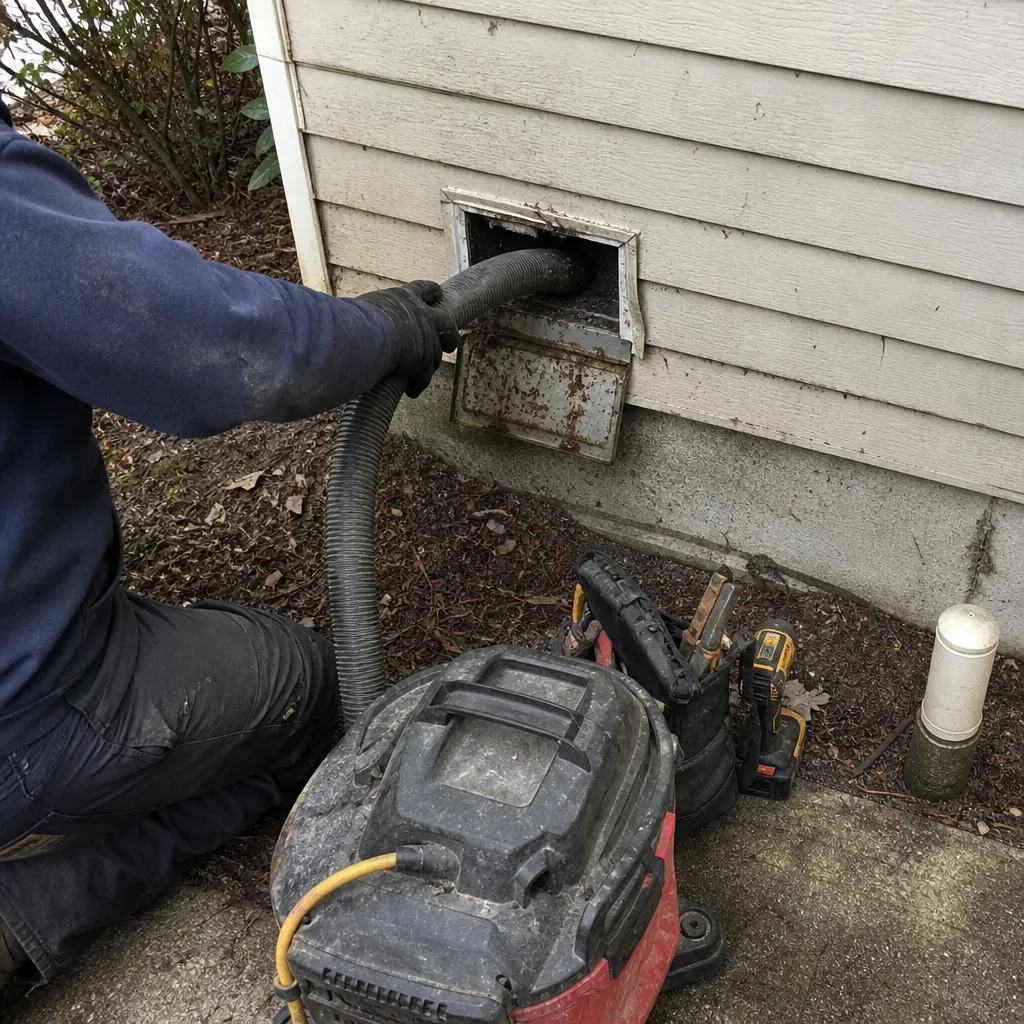 Before
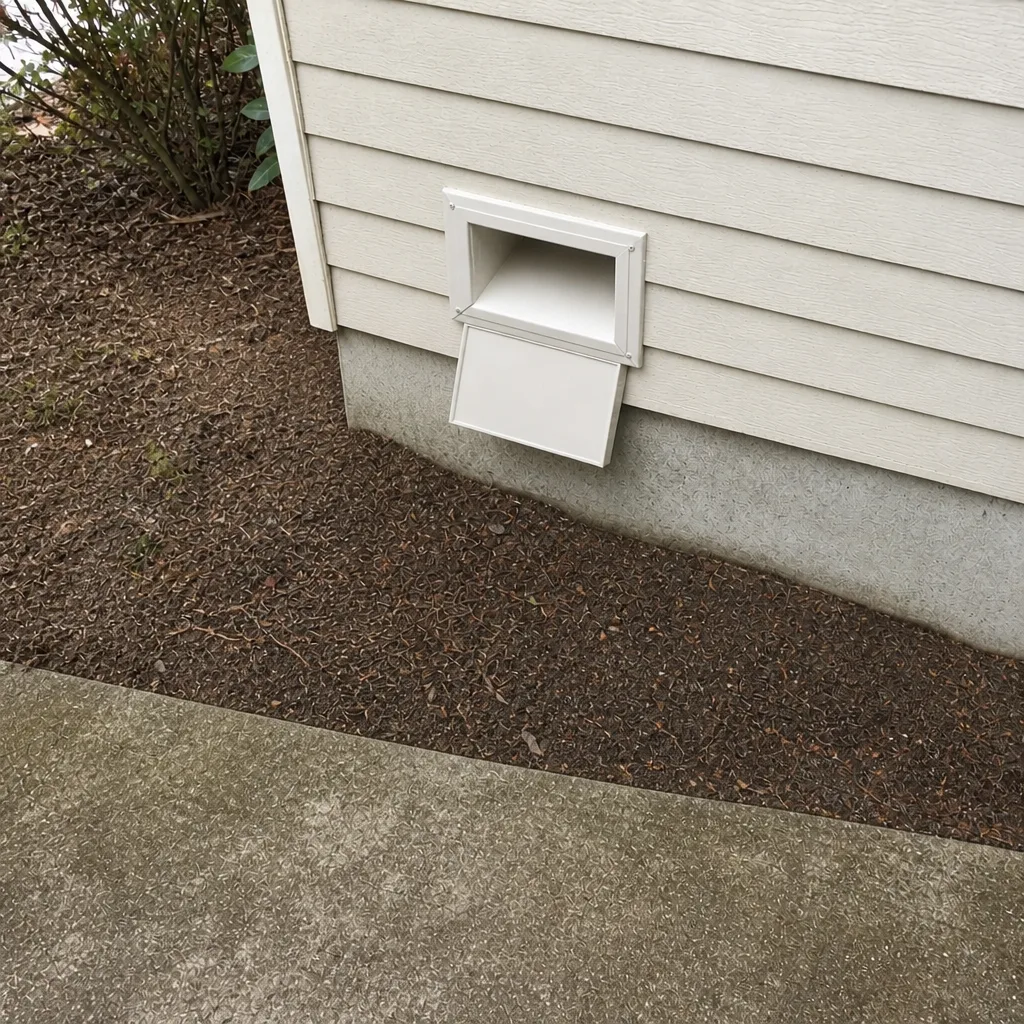 After
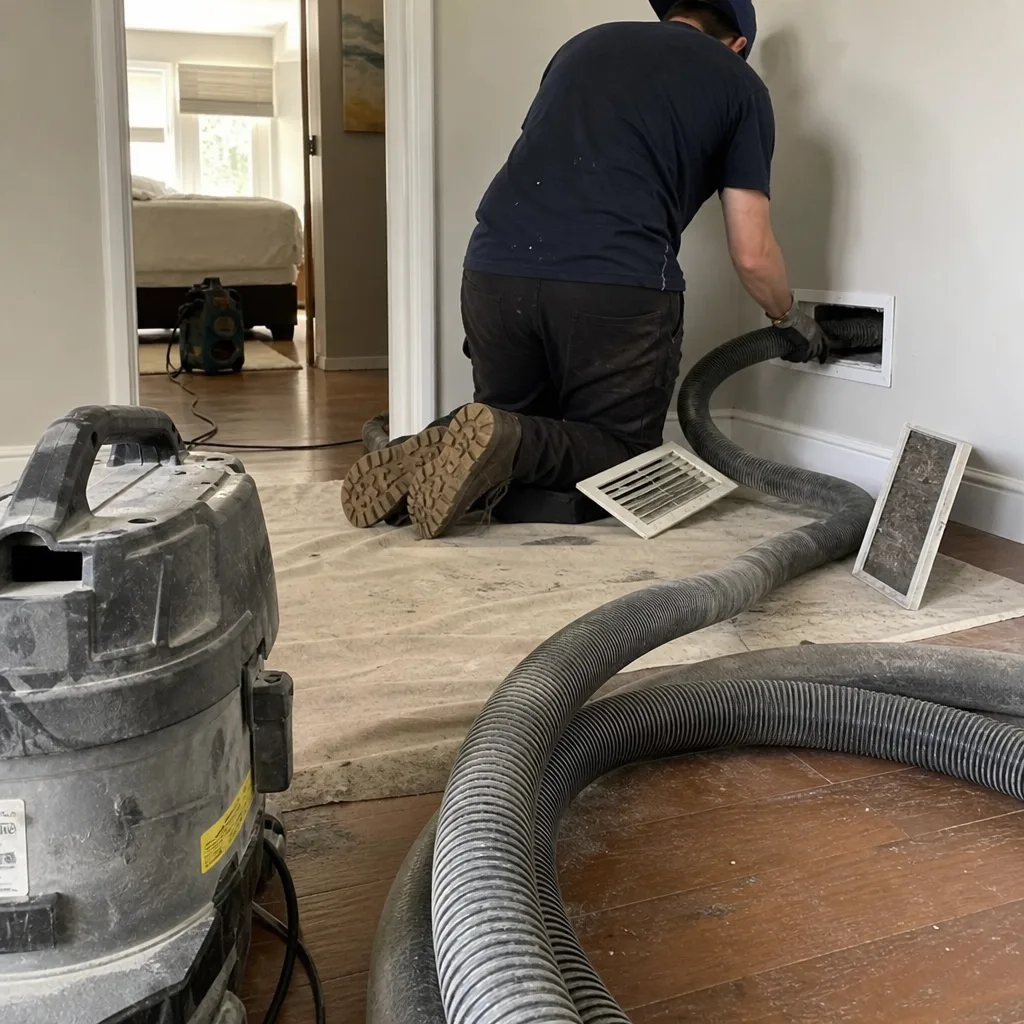 Before
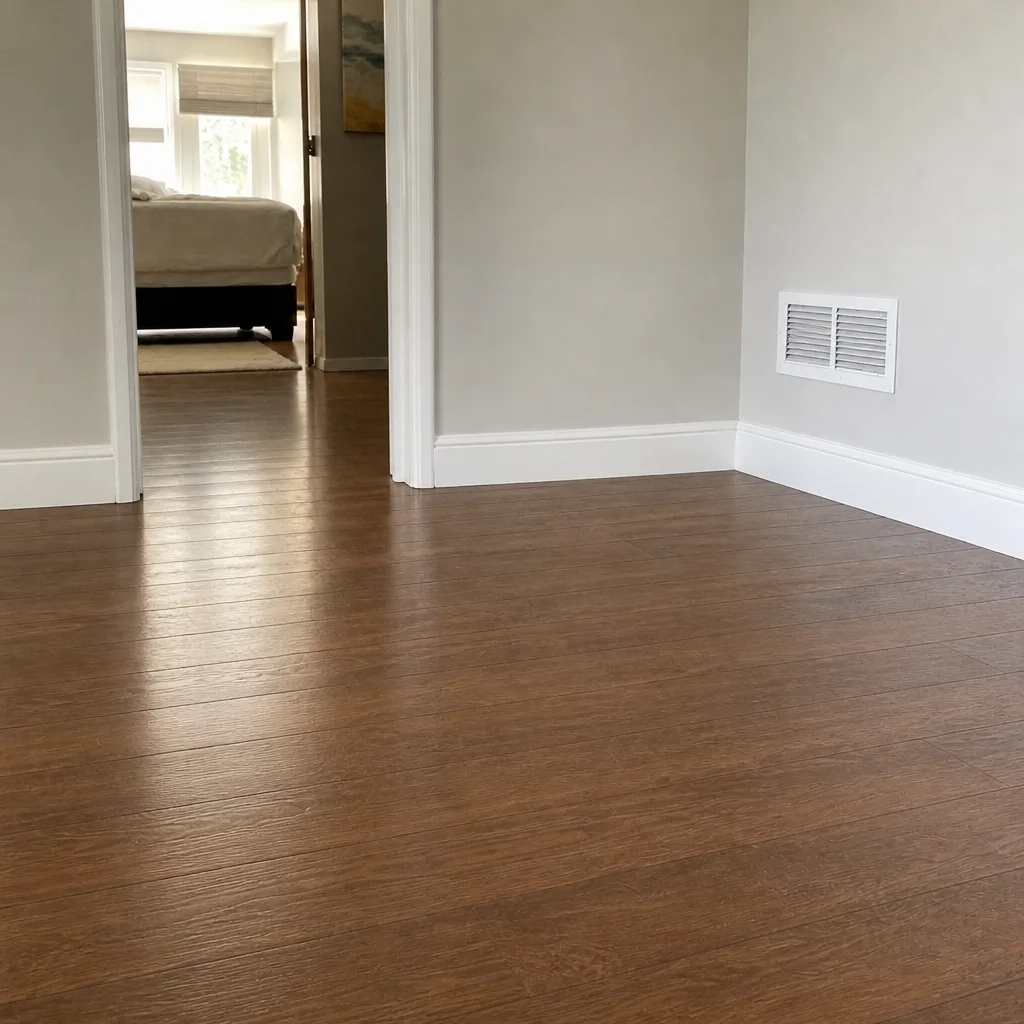 After
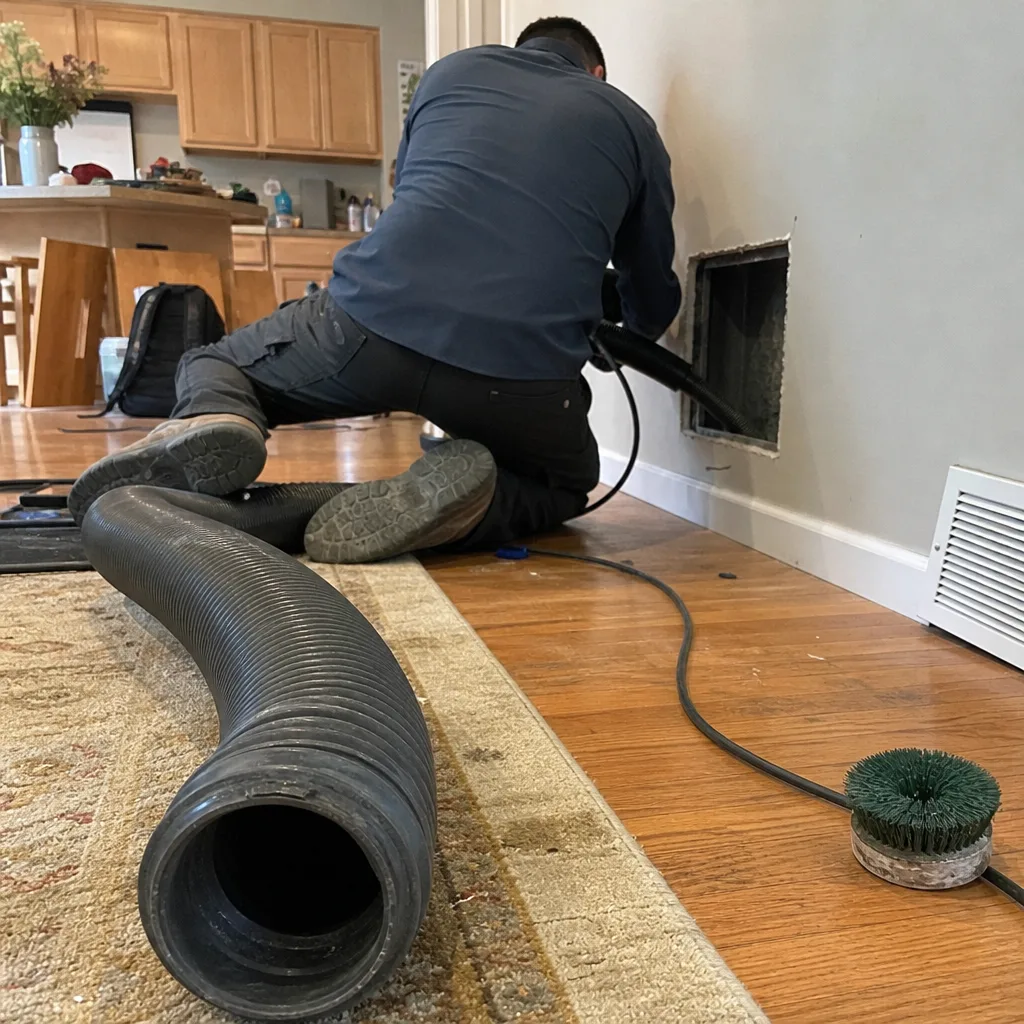 Before
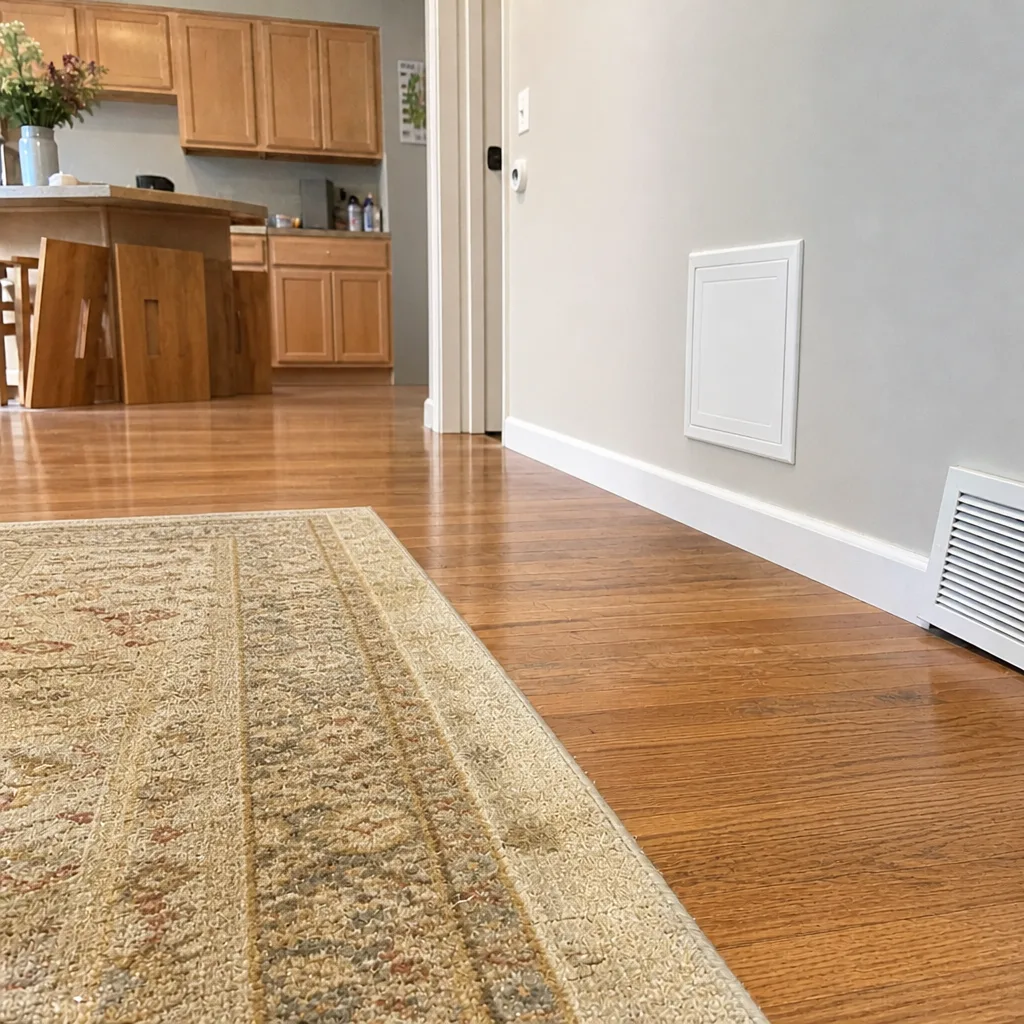 After
When to Call a Professional
Some signs mean it’s time to schedule. If you’re seeing visible dust accumulating at registers shortly after cleaning, if a room smells musty whenever the system runs, if a household member’s allergy or asthma symptoms track with HVAC cycles, or if you’ve been through a home renovation or a summer smoke season without a clean, it’s worth a scope inspection. If your dryer takes noticeably longer to dry a load than it used to, have the dryer vent checked. If you’ve never had the system scoped and you don’t know its condition, an inspection gives you a real answer instead of a guess. Kent Air Duct Cleaning Pros offers free estimates in Kent: call (855) 550-7709. We answer 24/7. Fast dispatch from 7am to 7pm, Sunday through Friday. The written estimate sets the final price, and a flat price is agreed before work starts.
Frequently Asked Questions
Most full-system air duct cleaning in Kent runs in the range of a few hundred to just over a thousand dollars, with the final price per system depending on the number of trunks and branches, whether the coil and air handler need deep cleaning, and whether repair or sealing is required. We don’t quote per-vent prices or teaser figures. Call (855) 550-7709 for an exact quote; estimates are free and the written estimate sets the final price.
Cheap quotes are usually for partial work: supply vents only, no returns, no air handler, no coil, no scope, and no containment. A shop-vac setup costs far less than purpose-built equipment like Rotobrush, Nikro, or Abatement Technologies systems, and the result is contamination that stays in place. Call (855) 550-7709 for an honest full-system quote before you book a too-good-to-be-true bid.
Ask for camera scope photos taken before and after, at the air handler, main trunk, and representative branches. If a contractor won’t provide them, you can’t verify the work. Call (855) 550-7709 to see how we document a full-system clean with before-and-after scope photos.
Every three to five years is a reasonable baseline for most Kent homes, closer to every two to three years if you live near active construction, have pets, have had a renovation, or have been through a heavy wildfire smoke season. A scope inspection tells you whether your system is due. Call (855) 550-7709 for an inspection-based estimate.
Reducing settled particulate and biological growth in the system reduces what’s circulated into living space, which is the relevant change for household allergy triggers. It’s not a medical fix, but removing contamination from the airstream is a real and measurable change in what the HVAC system moves. Call (855) 550-7709 to talk through your situation and what a full-system clean would address.
Cleaning removes the contamination physically. Sanitizing applies a product to clean surfaces afterward to address residual biological growth. Order matters: sanitizer on a dirty system is wasted, so sanitizing comes last. Call (855) 550-7709 for a quote that includes sanitizing only if it’s actually needed.
The Bottom Line
A full-system clean covers every surface air touches: supply trunks, returns, the air handler, the coil, and the drain pan, under negative pressure with real containment. The 60-70% of the contamination problem most Kent homeowners miss is everything past the visible vents. Cleaning without resealing, without scoping, and without camera-verified before-and-after photos is a partial job, whatever the price. When you evaluate a bid, ask for the scope, the named equipment, and the repair plan in writing. And keep the dryer vent on the schedule as a fire-prevention item, not an afterthought. If a contractor can answer all of that, you’re looking at a real full-system clean. If they can’t, you’re looking at a vacuum pass.
Call (855) 550-7709 for a free estimate. We answer 24/7. Fast dispatch from 7am to 7pm, Sunday through Friday. The written estimate sets the final price, and the local pro is licensed and insured as their state requires.
Written by the team at Kent Air Duct Cleaning Pros.